
Difference Between Balayage and Highlights: Complete Guide
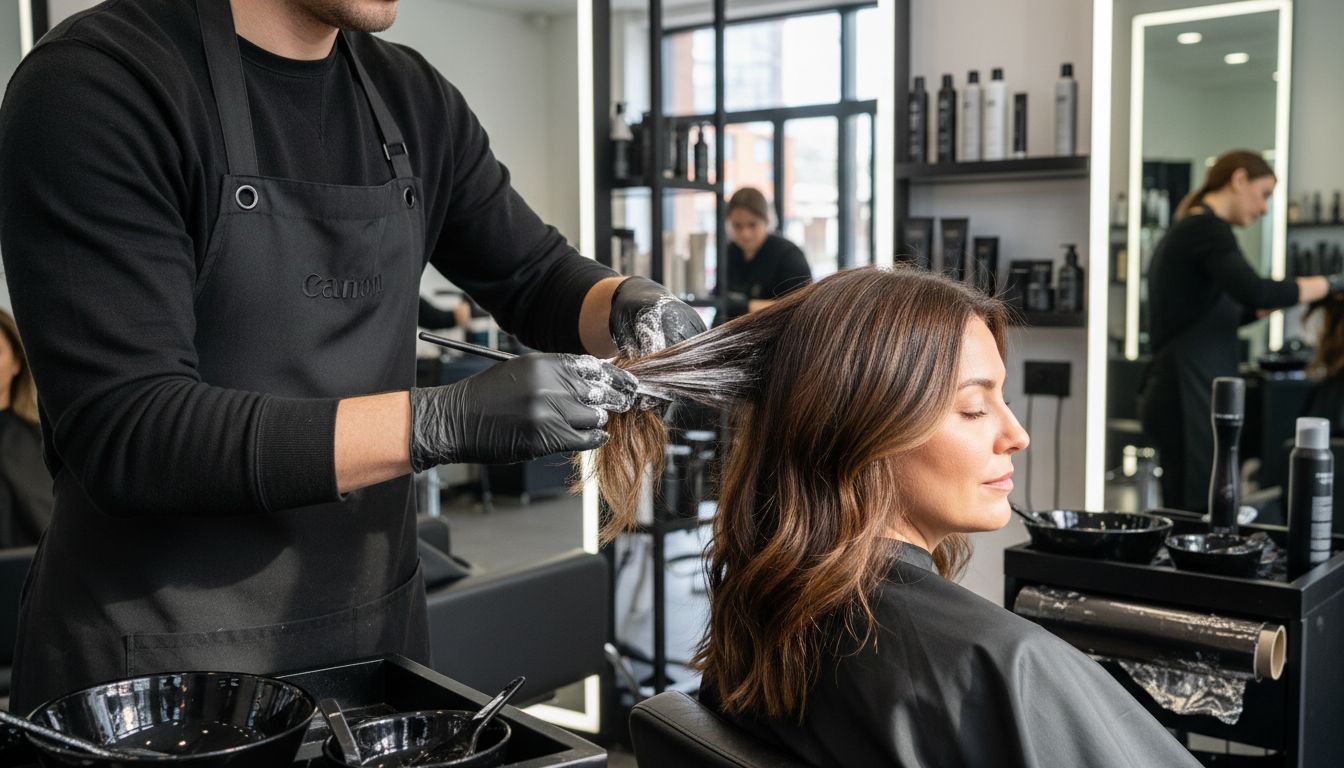
Over half of american salon clients say finding the right hair color technique feels confusing. With so many choices, it helps to understand the real differences between balayage and traditional highlights before sitting in the stylist’s chair. Whether you want a gentle glow or bold, noticeable contrast, learning how each method works, how much upkeep they require, and what suits your hair best makes your next color decision more confident and rewarding.
Table of Contents
- Defining Balayage And Traditional Highlights
- Color Techniques: Process And Visual Outcomes
- Maintenance, Longevity, And Upkeep Requirements
- Suitability For Hair Types And Desired Looks
- Comparing Costs, Benefits, And Common Mistakes
Key Takeaways
| Point | Details |
|---|---|
| Balayage vs Traditional Highlights | Balayage is a hand-painted technique that offers a natural, sun-kissed look, while traditional highlights use foil for a more structured and dramatic color contrast. |
| Maintenance Requirements | Balayage requires less frequent touch-ups (every 12-14 weeks), making it a low-maintenance option compared to traditional highlights, which need touch-ups every 4-6 weeks. |
| Cost Considerations | Although balayage sessions are typically more expensive, their longer-lasting results may offset frequent costs associated with traditional highlights. |
| Suitability for Hair Types | Balayage suits fine to medium hair for a subtle effect, while traditional highlights are ideal for thick hair that requires bold color definition. |
Defining Balayage and Traditional Highlights
When it comes to transforming your hair color, balayage and traditional highlights represent two distinctive yet popular techniques that offer dramatically different aesthetic results. According to Masterclass, balayage is a hair-lightening process where the colorist hand-paints bleach onto the hair, creating a subtle, sun-kissed look that appears naturally radiant and effortless.
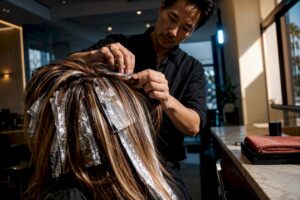
Traditional highlights, in contrast, involve a more structured approach. As Glamour explains, these are applied using foil sections that isolate specific hair strands, resulting in a more defined and noticeable color contrast. This technique typically involves applying bleach from root to tip, creating a more uniform and intentional lightening effect.
The key differences between these techniques lie in their application method and visual outcome:
-
Balayage:
- Hand-painted technique
- Soft, blended appearance
- Mimics natural, sun-lightened hair
- Less structured color transition
-
Traditional Highlights:
- Foil-based application
- Precise, uniform color sections
- More dramatic color contrast
- Structured and intentional lightening
Whether you prefer the soft, natural look of balayage or the classic, structured appearance of traditional highlights depends on your personal style and desired hair transformation. For those seeking a more personalized recommendation, consulting with a professional stylist can help you determine the most flattering technique for your hair type and aesthetic goals.
Color Techniques: Process and Visual Outcomes
The artistry behind hair color techniques reveals fascinating differences in application and visual impact. According to Prose, balayage involves a sophisticated freehand painting method where color is delicately applied directly onto the hair’s surface, creating a natural, sun-kissed effect that minimizes noticeable regrowth lines.
Salon Haze further explains that balayage focuses primarily on mid-lengths and ends, allowing for a seamless, soft blending technique. This approach differs significantly from traditional highlights, which employ a more structured method using foil sections to apply color uniformly from roots to ends.
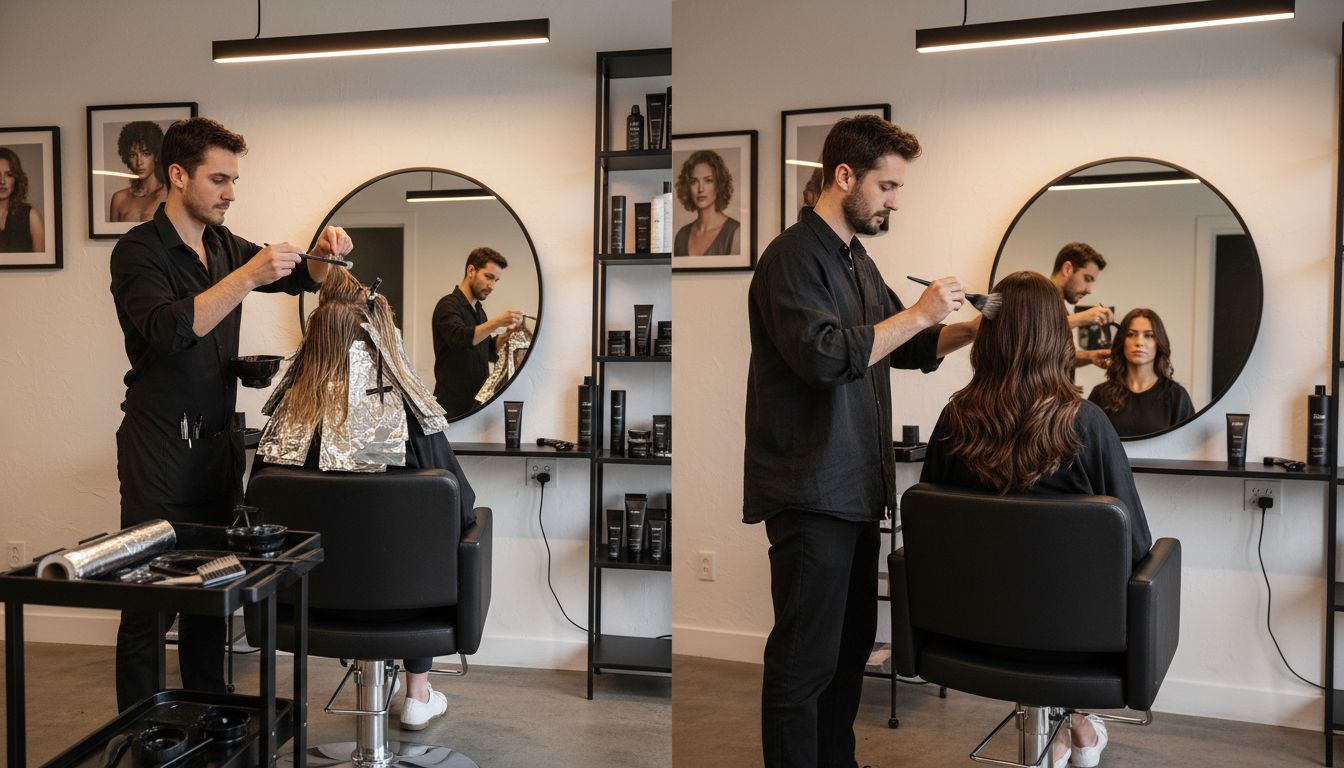
The visual outcomes of these techniques can be dramatically different:
-
Balayage Characteristics:
- Soft, gradient color transition
- Appears more natural and lived-in
- Less maintenance between color sessions
- Ideal for those seeking subtle dimension
-
Traditional Highlights Characteristics:
- Sharp, defined color sections
- More pronounced color contrast
- Uniform lightening from root to tip
- Predictable and precise color placement
Choosing between these techniques depends on personal style, hair type, and desired aesthetic. Professional stylists can help guide you toward the most flattering technique for your individual hair goals, ensuring a personalized and stunning color transformation.
Maintenance, Longevity, and Upkeep Requirements
When considering hair color techniques, maintenance and long-term care are crucial factors that significantly impact your styling choices. According to StyleSeat, balayage offers a remarkably low-maintenance option, with touch-ups typically required only every 12 to 14 weeks. This extended interval between color appointments makes balayage an attractive choice for individuals with busy lifestyles or those seeking a more effortless hair color approach.
Traditional highlights, in contrast, demand more frequent attention. The same source indicates that these techniques require touch-ups every 4 to 6 weeks, as the regrowth becomes more noticeable and the precise color sections begin to lose their initial vibrancy. This more frequent maintenance can translate to higher long-term styling costs and more time invested in salon visits.
Key maintenance considerations for each technique include:
-
Balayage Maintenance:
- Longer intervals between touch-ups (12-14 weeks)
- More natural grow-out process
- Reduced color maintenance costs
- Minimal root touch-up requirements
-
Traditional Highlights Maintenance:
- Frequent touch-ups every 4-6 weeks
- More structured regrowth management
- Higher long-term styling expenses
- Precise root maintenance needed
Ultimately, choosing between balayage and traditional highlights depends on your personal style, budget, and willingness to invest time in hair maintenance. Consulting with a professional stylist can help you determine the most suitable technique that aligns with your lifestyle and aesthetic preferences.
Suitability for Hair Types and Desired Looks
Navigating the world of hair color requires understanding how different techniques complement various hair types and personal aesthetics. According to Woman and Home, balayage offers a natural, sun-kissed look that works exceptionally well for individuals seeking a low-maintenance color transformation that appears effortlessly blended and organic.
Traditional highlights, in contrast, provide a more defined and dramatic color contrast. This technique is particularly appealing for those wanting a bold, structured change that creates clear definition and vibrancy throughout their hair. The choice between balayage and highlights ultimately depends on your unique hair texture, natural color, and personal style preferences.
Considering your hair type and desired aesthetic, here are key recommendations:
-
Balayage Best For:
- Fine to medium hair textures
- Clients seeking subtle, natural dimension
- Those with minimal time for salon maintenance
- Individuals wanting a soft, lived-in look
-
Traditional Highlights Best For:
- Thick or coarse hair textures
- Clients desiring dramatic color contrast
- People who enjoy precise, structured color
- Those comfortable with more frequent touch-ups
Professional stylists can help guide you toward the most flattering technique that complements your individual hair characteristics and personal style goals.
Comparing Costs, Benefits, and Common Mistakes
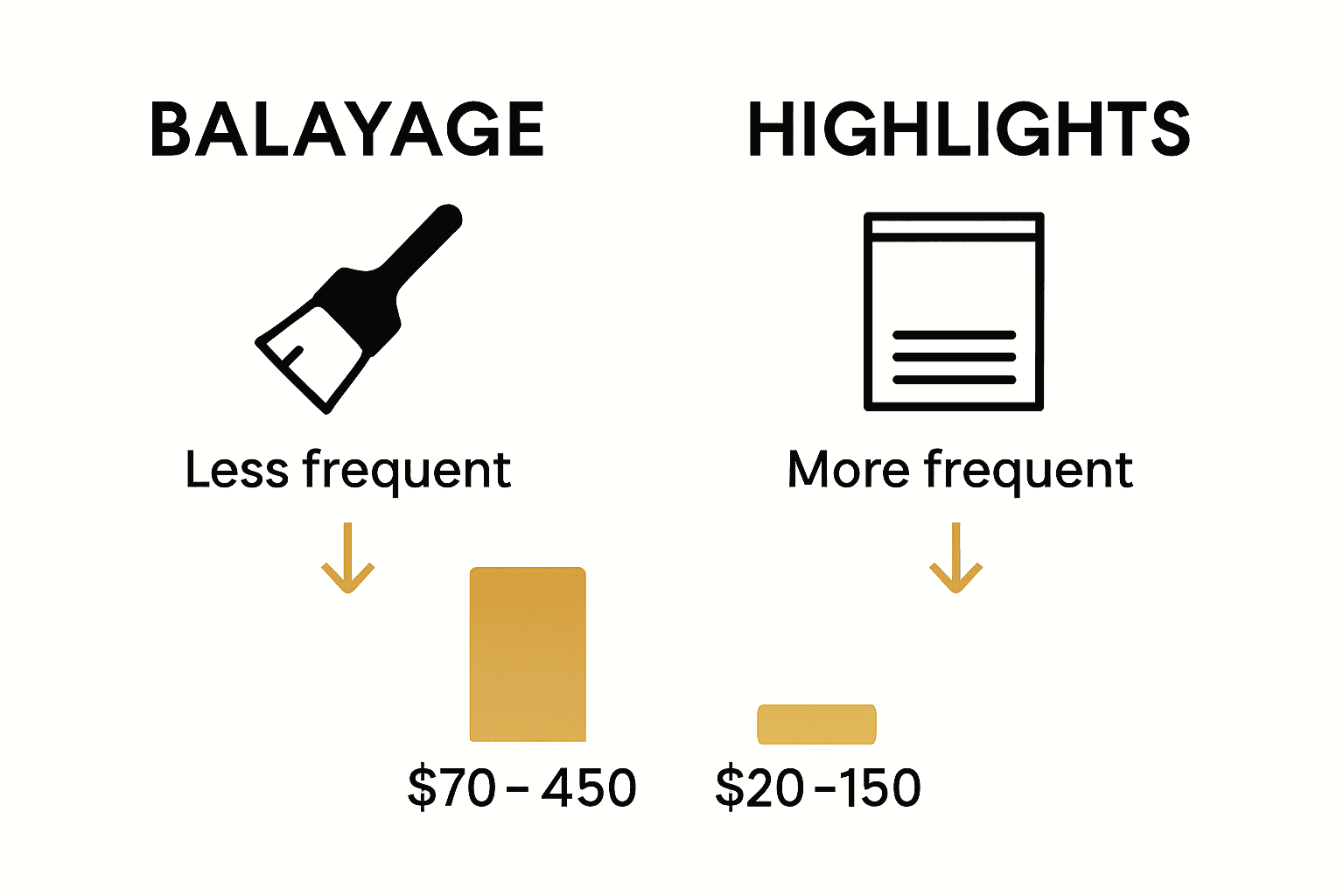
Hair color techniques represent significant investments in personal style, with nuanced financial and aesthetic considerations. According to StyleSeat, balayage sessions are substantially more expensive, ranging from $70 to $450+, reflecting the intricate, labor-intensive application process that requires advanced artistic skill and precision.
While traditional highlights are less costly per session (typically between $20 to $150), they demand more frequent maintenance, which can ultimately increase long-term expenses. The initial price difference doesn’t tell the whole story – balayage often provides more value through extended wear and less frequent touch-ups, potentially offsetting the higher upfront cost.
Key financial and stylistic considerations include:
-
Balayage Pros and Potential Pitfalls:
- Higher initial investment
- More natural, seamless appearance
- Longer intervals between salon visits
- Requires highly skilled colorist
-
Traditional Highlights Pros and Potential Pitfalls:
- Lower per-session cost
- More frequent maintenance required
- Precise, structured color placement
- Can look dated if not updated regularly
Professional stylists can help guide you in selecting the most cost-effective and aesthetically pleasing technique for your individual hair goals and budget.
Discover Your Perfect Hair Color Transformation Today
Choosing between balayage and traditional highlights can feel overwhelming with all the options and maintenance concerns. If you want a stunning hair color that fits your lifestyle and style goals, it is crucial to find the right technique that blends artistry with personalized care. Whether you prefer the sun-kissed natural look of balayage or the bold contrast of traditional highlights, expert guidance is key to achieving flawless results and low-maintenance upkeep.

At Joel C Ma Hair Studio, our seasoned team with over 25 years of expertise specializes in tailored hair color services designed to highlight your unique beauty. We embrace the artistry of balayage and precision of highlights to craft a look that suits your hair type and personal style. Don’t wait to upgrade your hair with confidence. Visit Joel C Ma Hair Studio and explore how professional consultation can help you transition smoothly and beautifully. Book your personalized appointment now and experience why we are the go-to destination for premium hair color in La Jolla.
Learn more about transitioning from highlights to balayage on our site consultation and color services. Start your transformation with expert care and discover your best hair yet.
Frequently Asked Questions
What is the main difference between balayage and traditional highlights?
Balayage is a hand-painted technique that creates a soft, blended appearance mimicking naturally sun-kissed hair, while traditional highlights use foils for more structured, defined color sections with dramatic contrast.
How often do I need to get touch-ups for balayage compared to traditional highlights?
Balayage typically requires touch-ups every 12 to 14 weeks, making it lower maintenance. In contrast, traditional highlights need touch-ups every 4 to 6 weeks due to more noticeable regrowth.
Which hair types are best suited for balayage and traditional highlights?
Balayage works well for fine to medium hair textures and those seeking a natural look, while traditional highlights are ideal for thick or coarse hair types and clients desiring bold color contrast.
Are balayage treatments more expensive than traditional highlights?
Yes, balayage sessions tend to be more expensive, ranging from $70 to over $450, due to the skill and time required for the application. Traditional highlights are less costly per session, typically ranging from $20 to $150, but require more frequent maintenance, which can increase overall costs.