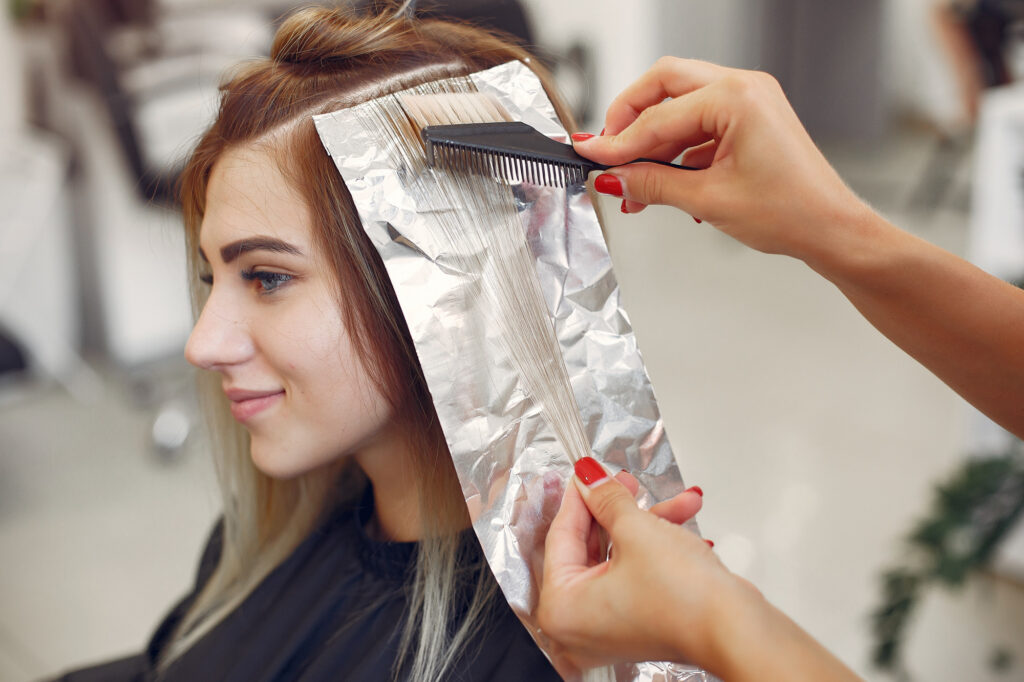

Why Trust Skilled Stylists for Personalized Hair
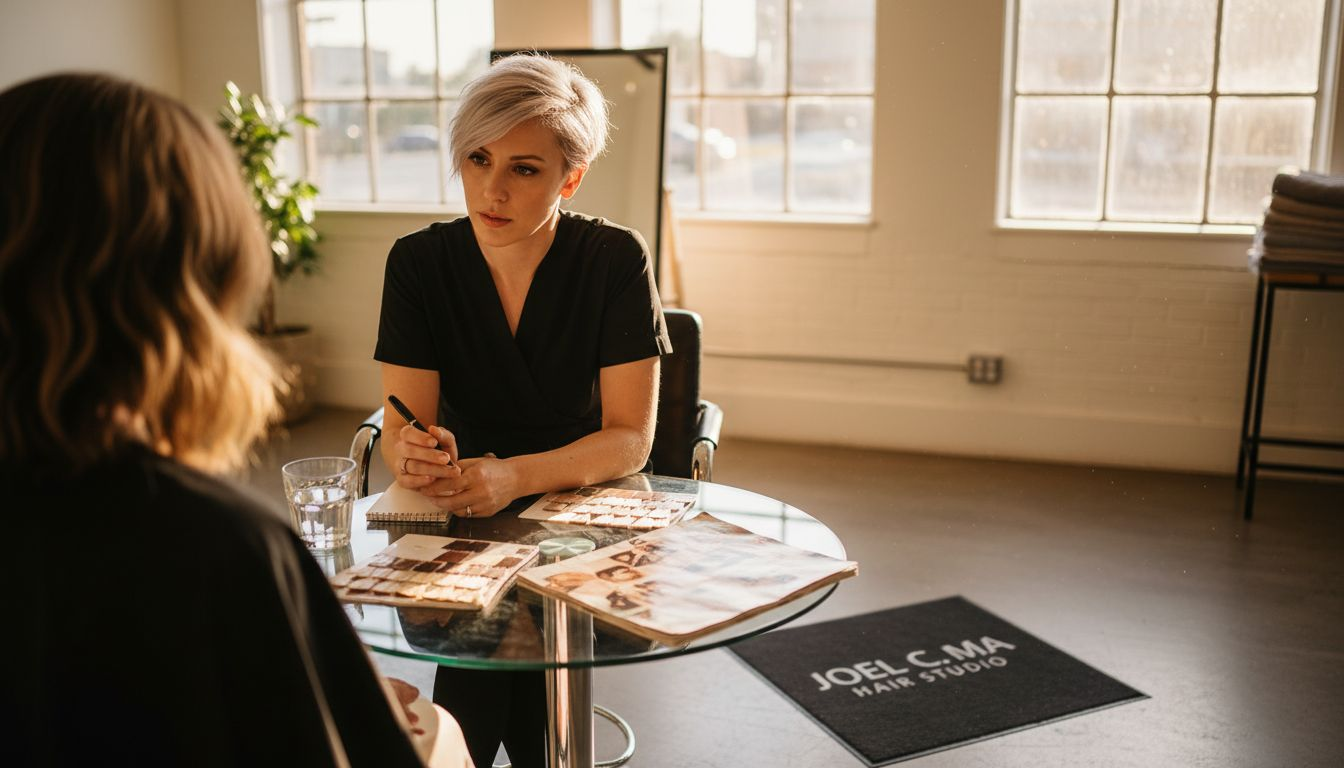
Trust in your stylist is never taken for granted. For women in La Jolla, luxury hair services are about more than a flawless cut or color—they reflect personal identity and confidence. Skilled stylists combine technical mastery with genuine, interactive communication, ensuring your vision is heard and honored. The partnership between stylist and client is rooted in expertise and trust, making your salon experience a true collaboration that celebrates your individual expression.
Table of Contents
- Skilled Stylists: Defining Expertise And Trust
- Certification, Ongoing Training, And Credentials
- Creative Artistry And Personalized Consultations
- Salon Culture, Safety Protocols, And Client Care
- Risks Of Unskilled Stylists And Common Mistakes
Key Takeaways
| Point | Details |
|---|---|
| Trust is Earned | Skilled stylists build trust through technical mastery and strong communication, creating a collaborative partnership. |
| Importance of Certification | Credentials indicate a stylist’s commitment to their craft and adherence to industry standards, ensuring safe and effective services. |
| Personalized Consultations Matter | A thorough consultation allows stylists to understand clients’ needs and preferences, leading to tailored results that reflect individual styles. |
| Risks of Unskilled Stylists | Choosing inexperienced stylists can lead to poor results and potential damage; always evaluate their training and approach to client safety. |
Skilled stylists: defining expertise and trust
Trust isn’t automatic in the salon chair. It’s earned through genuine expertise and meaningful connection. Skilled stylists understand that your hair is personal—it’s part of how you present yourself to the world, and that responsibility shapes everything they do.
What separates skilled stylists from average ones comes down to two core components:
- Technical mastery in cutting, coloring, and styling techniques
- Interpersonal skills that demonstrate they genuinely understand your vision
Research shows that hairstyling requires interactive negotiation and a trust relationship between you and your stylist. Your hair carries symbolic meaning tied to your identity, making this partnership far deeper than a transactional service.
Skilled stylists at Joel C Ma Hair Studio combine years of training with the ability to listen. They don’t impose a look on you. Instead, they ask thoughtful questions, understand your lifestyle, and work collaboratively to create something that feels authentically yours.
What Expertise Actually Looks Like
True expertise extends beyond technique. Successful hairdressers combine technical skills with active listening and genuine client communication. This means:
- Understanding your hair’s unique texture and how it behaves
- Translating your inspiration photos into realistic, wearable styles
- Managing expectations honestly about what’s achievable
- Delivering consistent, personalized results over time
When a stylist truly knows your hair history, your preferences, and your maintenance comfort level, they can make recommendations that actually work for your life—not just look good in photos.
A skilled stylist sees your hair as an extension of your personality, not just a canvas for their technique.
Trust develops when you see that your stylist prioritizes your satisfaction over upselling. At Joel C Ma Hair Studio, stylists with over 25 years of experience bring both the technical skill and the mature judgment to make choices that serve you best.
When you’re considering whether to book with a new stylist, look for evidence of this balance. Do they ask about your daily routine? Do they explain why they’re recommending specific techniques? Do they acknowledge limitations honestly?
Pro tip: During your consultation, notice whether the stylist asks questions about your lifestyle and maintenance preferences—this signals they care about creating a style that actually works for you, not just one they love creating.
Certification, ongoing training, and credentials
Credentials matter more than you might think. They’re proof that a stylist has invested time in mastering their craft and staying current with industry standards. When you’re trusting someone with your hair, knowing they’re properly trained gives you real peace of mind.
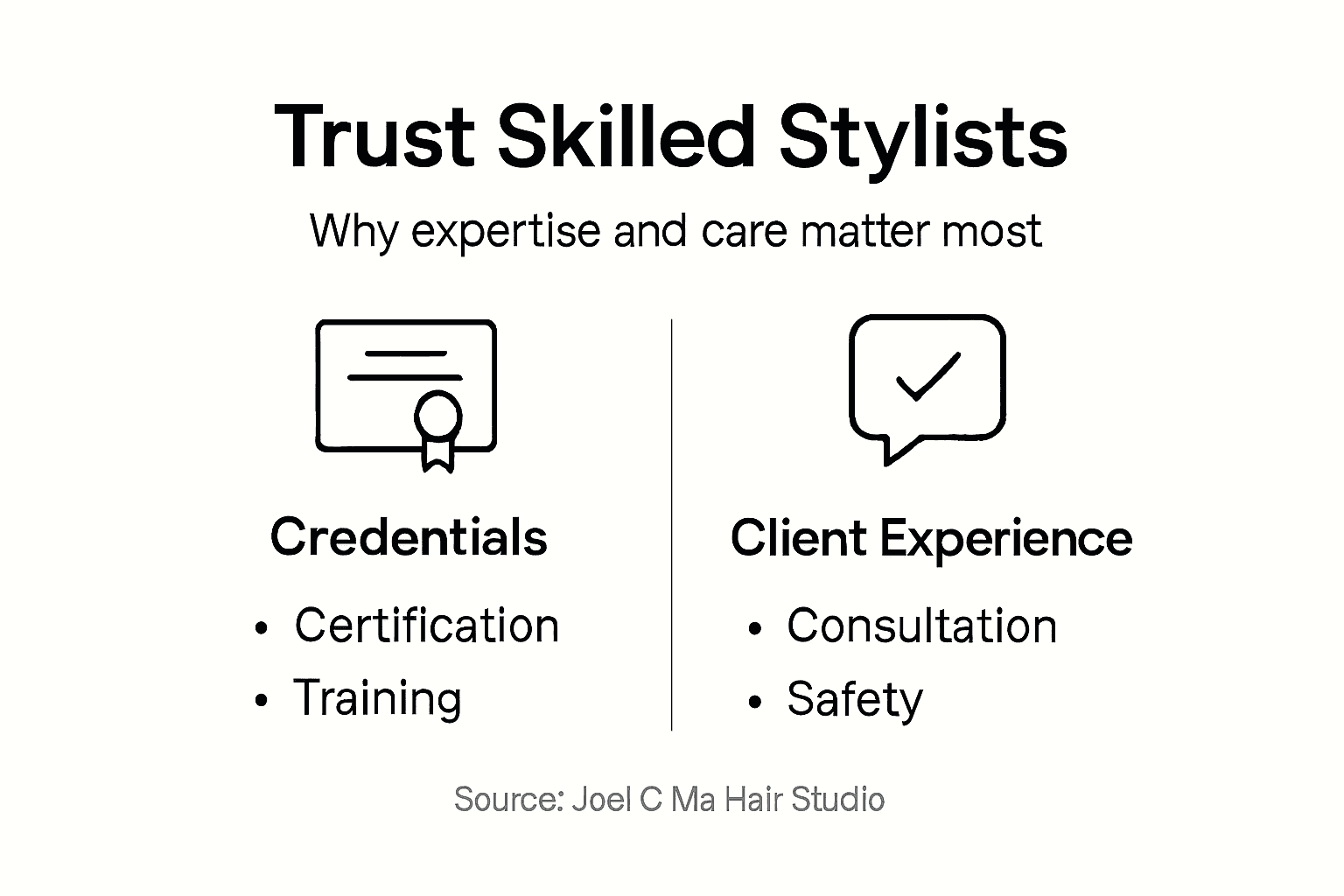
Professional credentials tell you that a stylist has completed structured training covering both technical skills and safety protocols. This isn’t just about looking good—it’s about protecting your health and ensuring quality results.
The Foundation: Initial Certification
Recognized certification programs in hairdressing establish baseline competency across cutting, coloring, styling, and safety. These credentials verify that stylists understand proper techniques and industry standards from day one.
What legitimate certifications include:
- Technical skill training in cutting, coloring, and styling methods
- Safety protocols for handling chemicals and salon equipment
- Client care and communication standards
- Verified hands-on practice and assessment
At Joel C Ma Hair Studio, the team’s credentials reflect years of formal training plus continuous advancement. This foundation allows them to deliver safe, professional results you can depend on.
Ongoing Education: Why It Never Stops
Hair trends evolve. Techniques improve. New products enter the market. Skilled stylists don’t rest on their initial certification—they commit to continuous learning throughout their careers.
City & Guilds qualifications and professional development pathways demonstrate the industry’s commitment to ongoing education. This ensures stylists stay current with best practices and emerging techniques.
Why this matters for you:
- Your stylist knows the latest coloring techniques and color science
- They understand how new products interact with different hair types
- They’re trained in the most current safety and sanitation standards
- They can offer solutions for problems using current industry knowledge
A stylist who stops learning stops growing. Your best results come from someone who invests in their craft continuously.
When choosing a stylist, ask about their ongoing training. Have they attended recent workshops? Do they pursue advanced certifications? This shows they’re serious about excellence.
With over 25 years of experience, Joel C Ma and the studio’s artists have built expertise through decades of both formal training and real-world client work. That combination—certification plus continuous growth—creates the foundation for truly personalized, expert hair care.
Pro tip: Ask your stylist directly about their recent training or certifications. Any professional worth trusting will be excited to share what they’re learning and how it benefits their clients.
Creative artistry and personalized consultations
Great hair isn’t one-size-fits-all. It’s the result of genuine artistic vision combined with understanding who you are. A skilled stylist approaches your hair as a creative project, not a template.
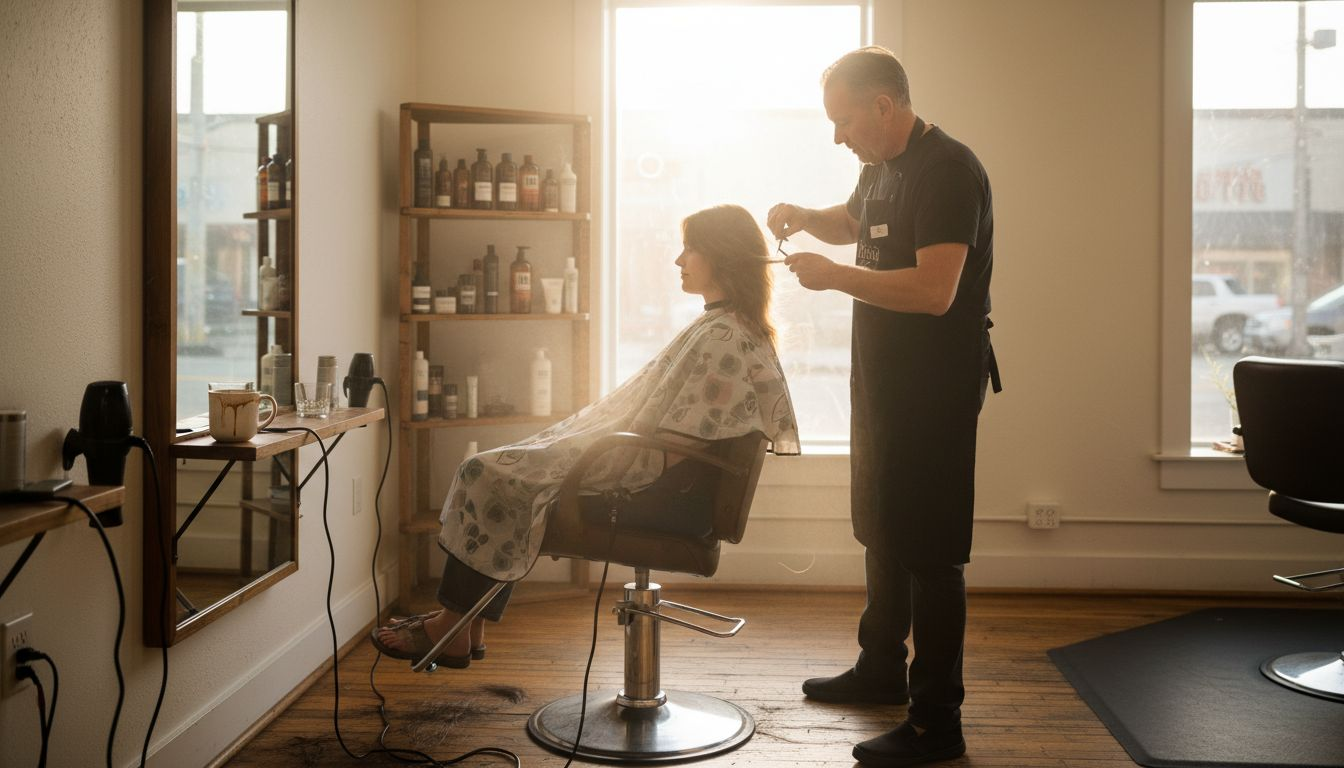
The difference between a good haircut and an exceptional one comes down to this: a stylist who listens, observes, and customizes. They don’t walk clients to the chair with a predetermined plan. Instead, they ask thoughtful questions and explore what will actually work for your life.
The Consultation: Where Artistry Begins
The consultation is where real personalization happens. This is your chance to communicate your vision, and it’s the stylist’s opportunity to understand your needs deeply. Artistic hairstyling integrates technical expertise with creative vision to tailor cuts and color that express your individual identity.
During a quality consultation, skilled stylists assess:
- Your face shape and how different styles will frame your features
- Your skin tone and which colors will enhance your natural coloring
- Your lifestyle and how much time you’re willing to invest in styling
- Your maintenance preferences and comfort level with upkeep
- Your personal style and the feelings you want your hair to convey
This isn’t just small talk. These details drive every recommendation. A stylist who skips this step is missing critical information that separates a generic look from something truly yours.
Artistic Vision Meets Practicality
True artistry in styling means knowing what’s possible and what actually works. You might love a celebrity’s hair, but your stylist’s job is translating that inspiration into something realistic for your hair type, face shape, and lifestyle.
This requires both creativity and honesty. A skilled stylist won’t push a style that won’t work for you just because it looks beautiful on Instagram. They’ll suggest modifications that keep the essence of what you love while making it wearable.
The best stylists are artists who understand that personalization isn’t about imposing their vision—it’s about bringing yours to life.
At Joel C Ma Hair Studio, stylists use consultations to explore your preferences, understand your goals, and develop a customized plan. Whether it’s an artistic cut, a custom color technique like balayage, or a complete transformation, every service starts with understanding you.
When you book a consultation, come prepared with inspiration photos, but also be ready to discuss your reality. The magic happens when artistry meets practicality.
Pro tip: Bring 3-5 inspiration photos to your consultation, but also mention which parts speak to you most—is it the texture, the color, the length, or the overall vibe? This helps your stylist identify patterns in your taste.
Salon culture, safety protocols, and client care
Where you get your hair done matters as much as who does it. A great salon isn’t just about aesthetics—it’s about creating an environment where you feel safe, valued, and cared for. This starts with rigorous standards that may not be visible, but absolutely affect your experience.
The salon culture at a high-end studio reflects its commitment to you. This includes how staff treats clients, how thoroughly they maintain cleanliness, and how seriously they take health and safety protocols.
Safety Standards That Matter
Professional salons maintain rigorous sanitation and infection control protocols to ensure client safety. These aren’t optional—they’re non-negotiable standards that separate professional salons from amateur operations.
What proper safety protocols include:
- Sterilizing all tools between clients using approved methods
- Using single-use items where appropriate (gloves, applicator brushes)
- Maintaining strict hygiene practices for color application and chemical handling
- Following legal regulations for chemical storage and disposal
- Regular training for staff on infection control and safety procedures
When you walk into Joel C Ma Hair Studio, you’re entering a space where these standards are embedded in daily operations. That attention to detail protects your health and demonstrates respect for you as a client.
Here’s a quick reference for major salon safety measures and their impact:
| Safety Measure | Why It Matters | Impact On Client Experience |
|---|---|---|
| Sterilizing Tools | Prevents infection spread | Ensures clean, safe service |
| Chemical Handling | Reduces accidental burns | Protects scalp and hair health |
| Ventilation | Limits chemical exposure | Creates comfortable, odor-free atmosphere |
| Staff Training | Maintains industry standards | Builds trust and confidence |
Client Care as Core Culture
Safety goes beyond sterilization. True client care means understanding your comfort during your appointment and respecting your experience. This includes managing chemical exposure, ensuring proper ventilation, and being transparent about product ingredients if you have sensitivities.
A salon’s culture shows in small moments: staff greeting you warmly, understanding your needs without judgment, and following through on commitments. These details accumulate into trust.
Safety protocols and genuine care aren’t separate—they’re expressions of the same commitment to your wellbeing.
At a luxury salon, client care extends to aftercare guidance, product recommendations, and accessibility for follow-up questions. You should feel comfortable reaching out if something isn’t right or if you need clarification about maintenance.
When choosing a salon, pay attention to the atmosphere. Does the space feel clean and organized? Are staff members engaged and professional? Do they ask about your preferences and limitations? These observations tell you everything about their safety culture and commitment to care.
Pro tip: Before booking, ask a salon directly about their sterilization procedures and safety protocols. Any professional salon will answer confidently and proudly—they have nothing to hide.
Risks of unskilled stylists and common mistakes
Not all stylists are created equal. The difference between a skilled professional and an inexperienced one shows up in your results—and sometimes in damage that takes months to repair. Understanding the risks helps you make smarter choices about where you invest your trust.
To help you evaluate stylists, here’s a comparison of key differences between skilled and unskilled stylists:
| Attribute | Skilled Stylist | Unskilled Stylist |
|---|---|---|
| Training & Credentials | Extensive certification, ongoing education | Minimal or outdated credentials |
| Approach to Consultation | Asks detailed questions, listens closely | Rarely asks questions, gives generic advice |
| Technical Execution | Adapts techniques to your hair type | Uses one-size-fits-all methods |
| Client Safety | Follows strict sanitation and safety protocols | Often neglects proper safety practices |
| Outcome Consistency | Delivers personalized, reliable results | Results vary and may require correction |
Unskilled stylists often lack the training to handle tools, products, and techniques safely. This isn’t just about aesthetics; it’s about your health and the long-term condition of your hair.
Technical Mistakes That Damage Hair
Common errors from unskilled stylists include miscalculating color mixing, applying heat incorrectly, or cutting without understanding hair structure and face shape. These mistakes lead to breakage, uneven color, and styles that don’t suit you.
Specific technical problems include:
- Applying bleach or color with improper timing, causing chemical damage
- Over-processing hair by repeating services too soon
- Cutting without considering your hair’s natural texture and growth pattern
- Using wrong tool techniques that create split ends and breakage
- Ignoring client allergies or sensitivities to products
Once hair is chemically damaged, no amount of conditioning fully reverses it. You’re left with costly repair appointments or cutting away the damage entirely.
Health and Safety Risks
Unskilled stylists may exacerbate occupational hazards through improper handling of tools and products, leading to increased health issues. This affects both stylists and clients. Improper ventilation during color application, unsafe chemical handling, and lack of hygiene protocols expose you to unnecessary risks.
Risks from poor practices:
- Chemical burns from incorrectly mixed or applied products
- Allergic reactions from unsterilized tools or contaminated products
- Scalp and skin irritation from improper sectioning or application
- Long-term health effects from prolonged chemical exposure in poorly ventilated spaces
An unskilled stylist’s mistake becomes your problem. A skilled stylist prevents problems before they start.
Experienced stylists know how to assess your hair’s condition, recommend appropriate services, and refuse to do something that will damage you. They understand their limitations and won’t attempt complex techniques without proper training.
When you choose a less experienced stylist to save money, you often spend more correcting damage. A consultation with a skilled stylist reveals what’s actually achievable for your hair type and condition.
Pro tip: Ask a prospective stylist about their experience with your specific hair type and desired service. If they seem uncertain or overly confident without asking questions, that’s a red flag.
Discover the Power of Skilled Stylists for Your Personalized Hair Journey
Trust is the foundation of every successful hair transformation. This article highlights the importance of technical mastery, personalized consultation, and ongoing education in achieving styles that truly reflect your individuality and lifestyle. If you have ever struggled with disappointing results or unsafe practices, it is time to invest in a salon experience where your vision and hair health come first.
Experience the difference at Joel C Ma Hair Studio, where over 25 years of expertise combine with artistic vision and strict safety protocols to deliver tailored results you can trust. Explore our approach to personalized hair care and learn why so many clients choose us for expert-driven services by visiting our Uncategorized Archives – Joel C Ma Hair Studio. Ready for a consultation that puts your needs and style goals at the center Send a booking request through our main site and take the first step toward hair that truly works for you.
Frequently Asked Questions
What qualities should I look for in a skilled stylist?
Look for a stylist with technical mastery in cutting, coloring, and styling techniques, as well as strong interpersonal skills. They should actively listen to your vision and preferences to tailor services to your needs.
How can I trust a new stylist with my hair?
Trust a new stylist by observing their consultation approach. A skilled stylist will ask detailed questions about your lifestyle, maintenance preferences, and hair history, indicating their commitment to creating a personalized style that works for you.
Why is ongoing education important for hair stylists?
Ongoing education ensures that stylists stay updated with the latest techniques, trends, and safety protocols. This continuous learning allows them to provide the best results and enhance their expertise over time.
What are the risks of choosing an unskilled stylist?
Choosing an unskilled stylist can lead to technical mistakes like uneven coloring or improper cutting, as well as health and safety risks from inadequate sanitation practices. These mistakes can result in damaged hair and potential health issues.
Recommended
- Customized Hair Styling: Defining Your Unique Look – Joel C Ma Hair Studio
- Role of Skilled Hair Artists – Impact on Personal Style – Joel C Ma Hair Studio
- 7 Expert Tips for a Polished Hairstyle for Professional Women – Joel C Ma Hair Studio
- How to Choose a Hair Color for a Stylish Transformation – Joel C Ma Hair Studio
- Understanding Personal Style Development for Special Events – DressMeUpNY
- Hair Thinning and Shedding | Scalp Preparation Before Hair Growth – Victory Serums