
Why Local Salons Know Clients Better — and How to Find One
TL;DR:
- Local salons build stronger relationships by documenting preferences, understanding community cues, and leveraging regional expertise.
- These practices lead to personalized services and consistent results, creating loyalty and ongoing trust.
Local salons know clients better because they convert one-time appointments into ongoing relationships, then back those relationships with documented records that follow you from visit to visit. The result is a stylist who remembers your color formula, your schedule, your lifestyle, and the fact that you hate volume on the crown — without you having to repeat yourself every time.
The main mechanisms behind that advantage:
- Repeat visits build a preference history no single appointment can create
- Consultation notes and recorded formulas give every visit a documented starting point
- Community ties create social accountability that keeps stylists attentive
- Local expertise (climate, water, regional hair types) sharpens recommendations over time
That means the insight is practical: if you know what to look for, you can find a neighborhood salon that will genuinely remember and serve you — not just one that claims to.
Table of Contents
- 1. How repeat consultations turn into truly personalized service
- 2. Why community ties make local stylists remember you better
- 3. Convenience and flexible scheduling — how local salons keep clients close
- 4. How local expertise sharpens the advice you actually get
- 5. Local beauty networks give you access you cannot Google
- 6. Cultural and style adaptation — what local stylists get right that chains often miss
- 7. How top local salons actually track and use your client record
- 8. How to pick a local salon that will actually remember you
- Key Takeaways
- A stylist’s perspective on why long-term client relationships change everything
- Joel C Ma Hair Studio: a local example worth knowing about
- Useful sources and further reading
1. How repeat consultations turn into truly personalized service
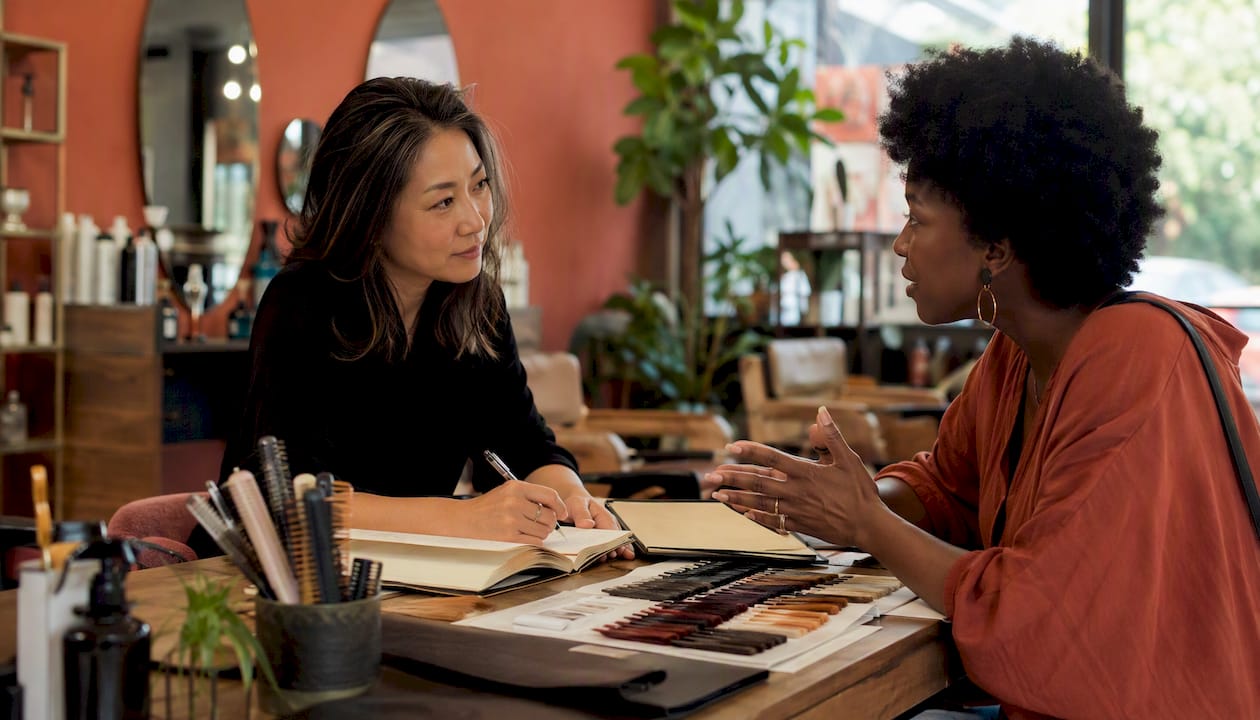
Personalization in salons is not a philosophy. It is a process, and it starts with the consultation. A stylist who sits with you for ten minutes before touching your hair is building a file: your natural texture, how your hair behaves in humidity, how much time you actually spend styling in the morning, and whether you are willing to come back in six weeks or need something that holds for four months.
Over repeated visits, that file deepens. The stylist notes which toner faded fastest, that you prefer a dry cut over a wet one, and that you went through a major life change that shifted your maintenance tolerance. Personalized service in salons at this level is less about technique and more about accumulated knowledge — and it compounds.
Concrete details a well-run salon captures during consultations:
- Preferred cut length and shape (with photos when possible)
- Color formula, developer strength, and processing time
- Product sensitivities or allergies
- Styling routine and tool use at home
- Maintenance cadence (how often the client realistically returns)
- Life-stage context (new job, upcoming event, postpartum hair changes)
Pro Tip: At your next appointment, ask your stylist directly: “Do you keep notes on my formula and preferences?” If yes, ask for a copy. A good salon will hand it over without hesitation — and that single question tells you more about the salon’s documentation habits than any online review.
2. Why community ties make local stylists remember you better
There is a memory effect that comes from seeing someone in multiple contexts. Your neighborhood stylist may also see you at the farmers market, hear about your promotion through a mutual client, or know your sister. That social overlap is not incidental — it is one of the strongest reasons why local salon relationships matter in ways a chain location cannot replicate.
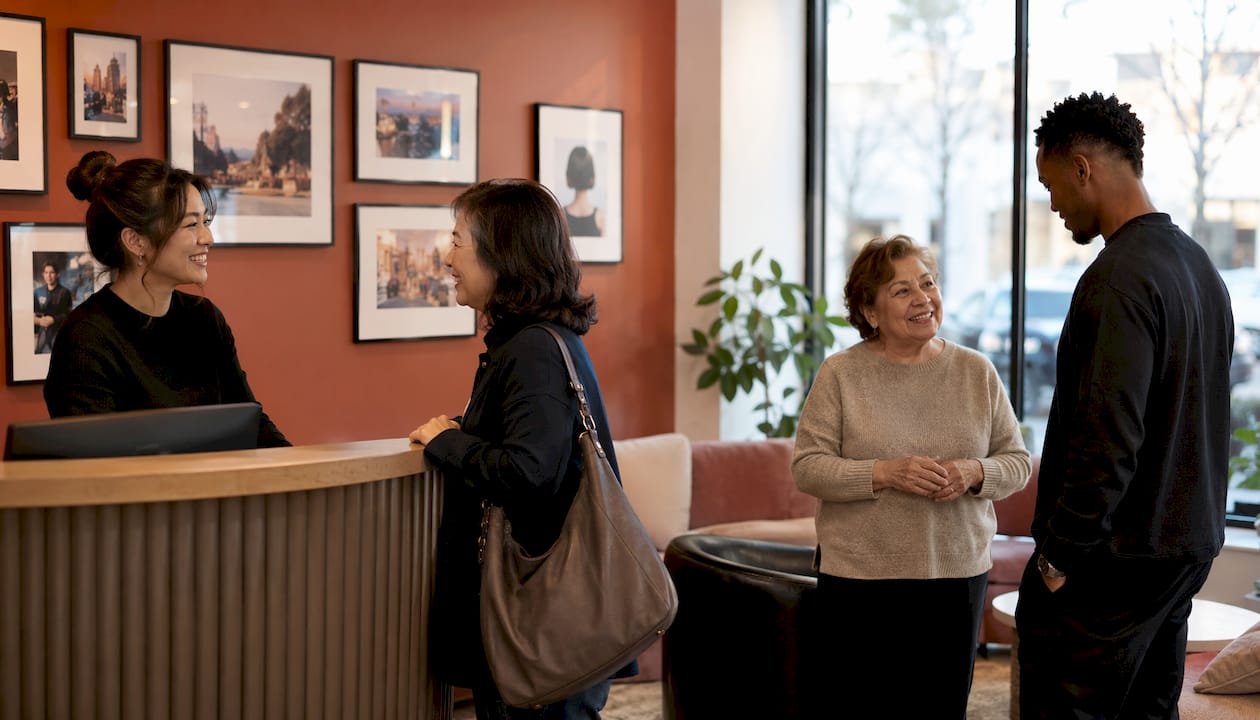
Salon client loyalty research consistently shows that clients return to stylists they trust and feel genuinely known by, not just stylists who are technically skilled. When a stylist asks “How did the job interview go?” because they actually remember the conversation from six weeks ago, that moment of recognition builds a bond that discounts and loyalty points cannot manufacture.
Community salons also carry a layer of accountability that larger operations lack. Word travels fast in a neighborhood. A stylist who forgets your preferences or rushes through your appointment risks losing not just you, but the three people you referred. That social pressure is a quiet but real quality driver.
3. Convenience and flexible scheduling — how local salons keep clients close
Flexibility is not just a perk. It is a retention mechanism. When a local salon can fit you in on short notice for a trim before a big presentation, or hold a last-minute slot because they know you are a regular, they are also adding another touchpoint to your shared history. More visits mean more data, more familiarity, and a stronger relationship.
Practical flexibility signals to look for in a neighborhood salon:
- Priority callback lists for cancellation slots
- Rebooking offered at checkout (not just a vague “see you next time”)
- Flexibility on appointment length for complex services
- Consistent communication via text or email, not just app notifications
A typical color client returns every 6–8 weeks; a trim client every 8–12 weeks. That cadence, maintained consistently at the same salon, means a stylist sees you roughly five to eight times a year. Over two years, that is a dozen or more appointments — enough to build a genuinely detailed picture of how your hair behaves across seasons.
Salon retention tactics like standardized follow-up messages and rebooking prompts reduce the chance clients drift away between appointments. The salons that execute these small process steps consistently are the ones that maintain the relationship continuity that makes deep personalization possible.
A 2025 Zenoti survey found that one in four clients stopped visiting a wellness business they liked simply because the relationship felt too transactional. Flexibility and follow-up are what prevent that drift.
4. How local expertise sharpens the advice you actually get
A stylist who has worked in La Jolla or coastal San Diego for years knows things a generalist does not: the salt air accelerates brassiness in blondes, the hard water in certain zip codes strips color faster, and the heat and humidity in summer months demand a different finishing product than what works in January. That regional knowledge changes the recommendations in ways that actually hold up between appointments.
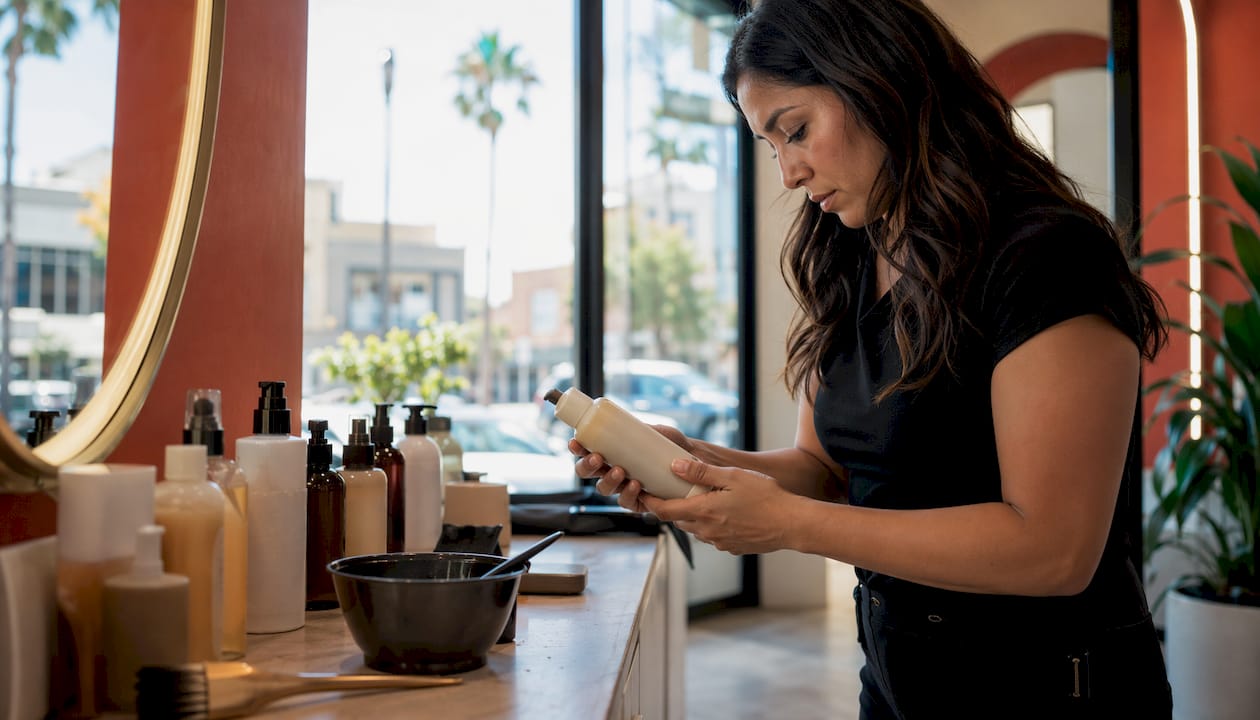
Local expertise also covers the hair types common in a given community and the trusted fragrance and retail products salons often source to complement their personalized services. A salon that serves a diverse clientele develops real fluency with a range of textures — not just the techniques, but the products, the timing, and the realistic outcomes for each.
| Local condition | How it affects hair | Stylist adjustment |
|---|---|---|
| High humidity (coastal) | Frizz, color fade, curl expansion | Lighter hold products, anti-humidity sealants |
| Hard water | Mineral buildup, dull color | Chelating treatments, adjusted toner timing |
| Dry inland heat | Moisture loss, breakage | Protein-moisture balance, heavier conditioners |
| UV exposure (sunny climates) | Brassiness, surface damage | UV-protective products, tonal adjustments |
Stylists with years in one region also know which local trends actually translate to real life and which ones photograph well but require maintenance most clients will not keep up with. That honest, grounded advice is one of the clearest benefits of neighborhood salons over trend-chasing chains.
5. Local beauty networks give you access you cannot Google
A well-connected local salon is more than a place to get your hair done. It is a node in a network of trusted professionals — bridal stylists, colorists who specialize in corrections, extension specialists, makeup artists — that the salon has vetted through years of working alongside them.
What a local beauty network looks like in practice:
- Referrals to trusted colorists for complex corrections the salon does not specialize in
- Connections to bridal teams who work together regularly and know each other’s timing
- Product recommendations from stylists who have seen results on clients with your hair type
- Introductions to estheticians, nail artists, or brow specialists who share the same quality standards
The value shows up most clearly in high-stakes situations. If you need a last-minute updo for a wedding and your regular stylist is booked, a well-networked salon can place a call and get you in with someone they personally trust. That is a fundamentally different outcome than searching Yelp at 9 PM.
How to ask about a salon’s network without sounding transactional:
- “Do you work with any bridal teams or event stylists you’d recommend?”
- “If I needed a color correction beyond what you do here, who would you send me to?”
- “Are there any product lines you’d suggest I look into for my hair type?”
The answers reveal both the depth of the salon’s connections and how willing they are to prioritize your outcome over keeping every service in-house.
6. Cultural and style adaptation — what local stylists get right that chains often miss
Hair is personal in ways that go beyond preference. Cultural practices, hair heritage, career context, and life stage all shape what a client actually needs — and a stylist who understands those dimensions gives advice that fits real life, not just a trend board.
A stylist with experience in a culturally diverse community develops fluency with techniques that require specific knowledge: loc maintenance, protective styles, relaxer-to-natural transitions, or the particular challenges of fine Asian hair versus coarse Afro-textured hair. These are not interchangeable skill sets, and the difference between a stylist who has that experience and one who does not shows up immediately in the result.
Style adaptation also means reading life stage. A new parent who used to spend 45 minutes on their hair now has 10. A professional going on camera regularly needs a cut that holds without daily styling. A client entering a career change may want a look that signals a shift. Stylists who ask those questions and adjust accordingly are doing something more than cutting hair.
- Ethnic hair techniques (locs, braids, natural curl definition, relaxer transitions)
- Low-maintenance options for clients with changed schedules or priorities
- Professional styling for on-camera, courtroom, or executive contexts
- Age-appropriate adaptations that work with changing texture and density
Pro Tip: Be specific when communicating cultural or identity-based needs. Instead of “I want something natural,” try: “I’m transitioning from relaxed to natural and need a style that works for both textures during the grow-out.” The more context you give, the more precisely the stylist can respond.
7. How top local salons actually track and use your client record
The best local salons treat your client record the way a good doctor treats a chart: it is the starting point for every visit, not a formality. Some salons use dedicated software; others maintain detailed paper cards. The format matters less than the discipline of actually recording and consulting the information.
A thorough client record typically includes:
- Color formula: brand, shade, developer volume, processing time, and any modifications
- Cut technique: sections, lengths, texturizing method, and any asymmetry or customization
- Product kit: what was used in-salon and what was recommended for home
- Aftercare notes: specific instructions given and whether the client followed them
- Maintenance cadence: when the client is due back and what service is next
- Personal context: upcoming events, lifestyle changes, sensitivities
| Record field | How it’s used on return visits |
|---|---|
| Color formula | Replicates exact result; adjusts for fade or growth |
| Cut technique | Maintains shape without starting from scratch |
| Product notes | Confirms what worked; avoids re-recommending products the client disliked |
| Aftercare log | Identifies why a result underperformed (home care gap vs. formula issue) |
| Personal context | Prompts relevant conversation; flags upcoming needs |
Consider what happens without that record. A client comes in after ten weeks, the original stylist is out, and the covering stylist has no notes. The result is a best-guess color that may be close — or may require a costly correction. With a complete record, the covering stylist can replicate the formula exactly. That single scenario explains why documentation is not a luxury; it is the mechanism that makes consistent personalized care possible across an entire team.
Pro Tip: Ask your salon: “Can I get a copy of my color formula and any notes from today’s visit?” Frame it as wanting to have it for reference if you ever travel. A salon confident in its documentation process will say yes immediately.
8. How to pick a local salon that will actually remember you
Knowing why local salons know clients better is only useful if you can identify the ones that actually do it. Here is a concise checklist to run through during booking and your first visit.
During booking:
- Ask how long the initial consultation takes. Less than five minutes is a red flag.
- Ask whether the salon keeps client records or formula cards. Vague answers suggest they do not.
- Check whether the booking system asks about your hair history or goals. A blank intake form signals a transactional operation.
On the first visit:
- Notice whether the stylist takes notes during the consultation or relies on memory.
- Ask: “Will you keep a record of my formula and preferences for next time?”
- Ask: “If I come in and you’re not available, will the person covering have access to my notes?”
- Observe whether the stylist asks about your lifestyle, maintenance routine, and upcoming events — or goes straight to technique.
Red flags that signal an impersonal operation:
- No consultation before a color service
- Stylist cannot tell you what products were used in your hair
- No rebooking offered at checkout
- High staff turnover with no system to transfer client knowledge
- Generic aftercare advice that does not reference your specific hair type
The essential consultation questions a good salon asks mirror the ones you should be asking them. If the conversation flows both ways from the start, that is the clearest signal you have found a salon that treats the relationship as a partnership.
For busy readers: the single most important signal is whether the salon takes notes during your first consultation and offers to share them with you. Everything else follows from that habit.
Key Takeaways
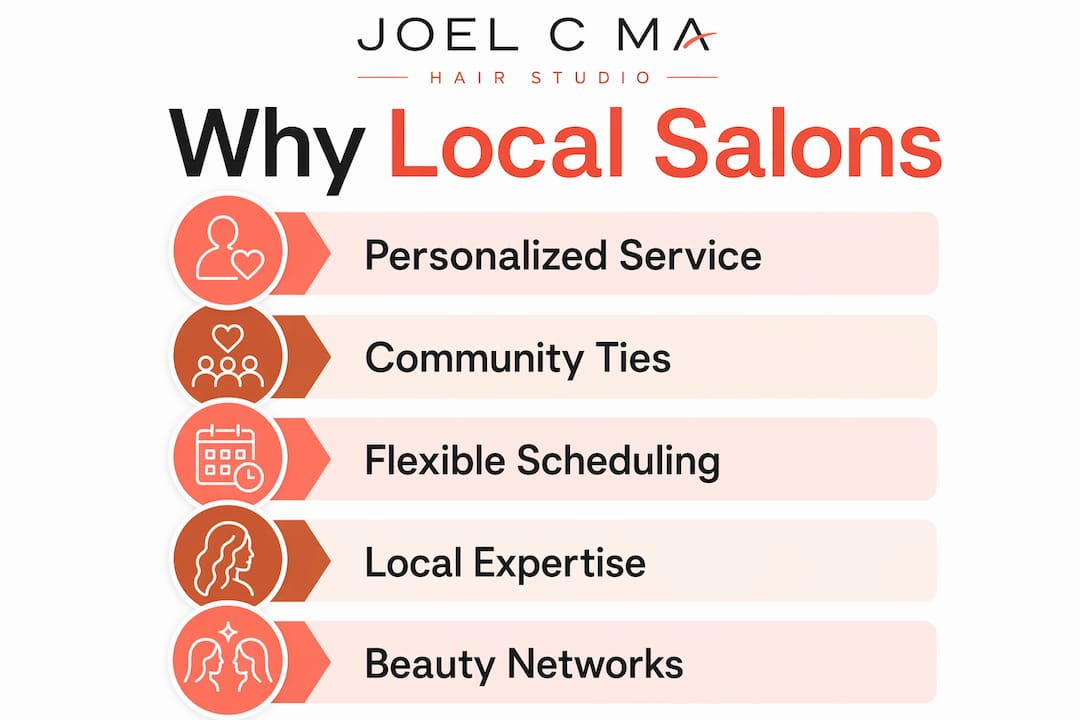
Local salons know clients better because they combine documented preference records, community accountability, and regional expertise into a relationship that compounds with every visit.
| Point | Details |
|---|---|
| Documentation drives personalization | A salon that records your formula, cut technique, and lifestyle context can replicate and improve results every visit. |
| Community ties create accountability | Neighborhood stylists who see you in multiple social contexts are more attentive and less likely to cut corners. |
| Local expertise improves outcomes | Knowledge of regional climate, water, and common hair types produces advice that actually holds up between appointments. |
| Ask the right questions early | “Do you keep notes on my formula?” is the single most revealing question to ask on a first visit. |
| Joelcma applies these standards | Joel C Ma Hair Studio in La Jolla documents client preferences and color formulas as part of its personalized care approach. |
A stylist’s perspective on why long-term client relationships change everything
The conventional wisdom says clients stay loyal because of great haircuts. That is true, but it is incomplete. The clients who stay for years — the ones who follow a stylist across a move or a name change — stay because they stopped having to explain themselves. The stylist already knows. That accumulated knowledge is not magic; it is the product of consistent documentation, genuine curiosity about the client’s life, and the discipline to consult the record before every appointment rather than winging it.
What gets underestimated is how much the relationship changes the technical work itself. When a stylist knows a client is going through a stressful period, they adjust the service pacing. When they know a client has a job interview in two weeks, they time the color accordingly. When they know a client’s hair behaves differently in summer, they adjust the formula before the client even mentions it. That is not intuition. It is applied knowledge, built over time, and it is the clearest argument for why experienced stylists at studios that invest in training and documentation consistently outperform technically equal stylists at high-turnover operations.
The studios that get this right codify it: training templates, consultation checklists, formula cards, and a culture where asking “what do the notes say?” before a returning client’s appointment is standard, not optional. That infrastructure is what separates a salon that knows you from one that just recognizes your face.
Joel C Ma Hair Studio: a local example worth knowing about
If you are applying the checklist above and want a concrete starting point in the San Diego area, Joel C Ma Hair Studio in La Jolla is built around exactly the practices this article describes. The studio’s approach centers on thorough consultations, documented color formulas, and a team trained to deliver consistent results whether you see the same stylist or a different one.
The studio specializes in signature color techniques including balayage and custom color work, with over 25 years of founder experience informing the consultation and documentation standards. For clients who want a luxury salon experience grounded in genuine personalization rather than volume-driven service, it is a strong fit. Browse the studio’s services or book a consultation at joelcma.com to see whether the approach matches what you are looking for.
Useful sources and further reading
- Building Salon Client Loyalty in a Competitive Market — Kitomba: research-backed overview of retention drivers, consistency standards, and the role of team relationships in keeping clients long-term.
- Salon and Spa Client Personalization Playbook — Zenoti: 2025 survey data on emotional loyalty, the cost of transactional relationships, and how personalization affects client lifetime value.
- Salon Client Retention: 9 Strategies to Keep Clients Coming Back — The Salon Brief: practical retention tactics including follow-up messaging, rebooking prompts, and consultation standards.
- How Do You Find a Salon That Really Understands You? — The Warehouse Salon: first-person account of consultation-based personalization and the “hair blueprint” concept.
- Hair Consultation Role: 68% Prefer Personalized Styling — Joel C Ma Hair Studio: internal resource on consultation value and preference-based repeat visits.
- Essential Hair Consultation Questions for Perfect Styles — Joel C Ma Hair Studio: practical checklist of consultation questions clients can use and request on a first visit.
- Experience True Salon Service: Personalized Care & Results — Joel C Ma Hair Studio: studio-level documentation of consultation standards and client-first service design.
- Luxury Hair Salon Experience: Complete Guide — Joel C Ma Hair Studio: overview of training systems, safety protocols, and the client workflow that produces consistent results across a team.