
Hair Color Consultation: 5 Checks for a Safer Salon Visit

A hair color consultation is a short appointment where you and a stylist build a realistic, personalized plan for your color, covering your goals, your hair’s current condition, how long the service will take, and what it will cost. Anyone considering a major change, like a big lift to blonde, a corrective color, or balayage, benefits most from sitting down for one before booking the actual service.
TL;DR:
- Bring two or three natural light photos, your last color date, chemical treatment history, and allergy or reaction details so the stylist can assess safely.
- Your stylist checks color levels, porosity, gray coverage, scalp condition, and chemical history; strand tests predict results, while sensitivity may warrant a patch test.
- Major lightening and color correction often need multiple visits spaced weeks apart; pushing too much lift in one session can damage hair.
- Root color usually needs refreshing every 4 to 6 weeks, while balayage or highlights can often go 8 to 12 weeks between toning appointments.
Table of Contents
- What happens during a color consultation: a step-by-step walkthrough
- What the stylist checks: the hair analysis and history checklist
- How to prepare: what to bring and questions to ask at your consultation
- Typical outcomes: timeline, maintenance, pricing, and realistic expectations
- Salon perspective: how an experienced salon structures a consultation
- Short definition: what a hair color consultation is and its purpose
- A stylist’s first-person view: what to say and what to avoid
- Ready for your own color consultation
- FAQ
- Sources
What happens during a color consultation: a step-by-step walkthrough
A consultation follows a fairly consistent rhythm, whether it happens on its own or right before a color appointment. According to guidance on what to expect during a consultation, most run 15 to 30 minutes and are built around a few clear stages.
- You sit down with your stylist and talk through what you want, including why you want it and what you’ve disliked about past color.
- The stylist reviews any inspiration photos you brought and may pull out swatches or a virtual try-on tool so you can see shades against your skin tone.
- The stylist examines your current color at the roots, mid-lengths, and ends, then asks about your hair history, including your last color service and any chemical treatments.
- Based on that diagnosis, the stylist explains which services fit your goal, how long the appointment will take, and whether you need a staged plan across multiple visits.
- You leave with a plan: the stylist orders any custom color formula needed and books your next appointment.
That sequence matters because a stylist cannot give you an honest time or price estimate without first seeing your hair and hearing its history. Skipping straight to booking a service without this step is how clients end up with a result that doesn’t match what they pictured, or a timeline that surprises them.
What the stylist checks: the hair analysis and history checklist
Underneath the friendly conversation, a consultation is really a diagnostic exam. Professional color education resources outline a checklist that directly shapes what’s achievable and how safely you can get there.
- Natural color level and current dye level: your stylist checks your natural base along with any existing color at the roots, mid-lengths, and ends.
- Porosity and hair diameter: these determine how quickly and evenly your hair absorbs color, which affects formula choice and timing.
- Previous chemical services: bleach, relaxers, and perms change how hair reacts to new color and often narrow your safe options.
- Percentage of gray and scalp condition: gray coverage needs its own formula adjustments, and a sensitive or irritated scalp can change which products are used.
- Strand tests and patch tests: stylists use a strand test to predict how a formula will lift and tone your specific hair, and recommend a patch test for clients with any history of sensitivity to color.
If your goal requires more lift than your hair can safely handle in one sitting, an experienced stylist will lay out a staged roadmap instead of forcing it into a single appointment. That roadmap usually includes an expected number of sessions, rough intervals between them, and maintenance products meant to protect your hair along the way.
How to prepare: what to bring and questions to ask at your consultation
A little preparation turns a vague conversation into a precise plan. Walking in with the right information helps your stylist give you an accurate estimate on the first visit instead of needing a follow-up just to gather details.
- Bring two or three inspiration photos taken in natural light and from different angles, since one glamour shot rarely shows enough detail.
- Write down a short history: the date of your last color service, products you use regularly, and any past chemical treatments like relaxers or perms.
- Prepare specific questions about appointment length, how many sessions your goal might take, your price range, and the maintenance commitment involved.
- Mention any allergies, medications, or past reactions to hair color, and ask about the salon’s patch-test policy before your appointment.
Showing up with this information ready means less guesswork for your stylist and a plan that’s grounded in your actual hair rather than a best guess.
Typical outcomes: timeline, maintenance, pricing, and realistic expectations
What you leave a consultation with depends heavily on how big a change you’re asking for. A root touch-up in your natural shade range can often happen the same day. Going several levels lighter, correcting a previous color mistake, or moving from box-dye black to a soft blonde usually calls for staged visits, since pushing too much lift in one session risks real damage to the hair.
- Single-session changes: subtle shifts, all-over color close to your natural level, or small highlight refreshes typically fit into one appointment.
- Staged plans: major lightening, color correction, or dramatic tone shifts are usually broken into multiple visits spaced weeks apart.
- Maintenance by technique: root touch-ups generally need refreshing every 4 to 6 weeks, while balayage and highlights are more forgiving and often stretch to toning appointments every 8 to 12 weeks.
- Time and price estimates: stylists base these on what they find during the hair analysis, not a flat rate, since porosity, gray coverage, and prior chemical history all affect how long a formula needs to process.
- Follow-up recommendations: many stylists send clients home with specific aftercare products and a suggested date for the next appointment to keep color looking fresh.
Consultations themselves are sometimes complimentary and sometimes carry a fee that gets credited toward your service, so it’s worth asking directly when you book, according to this overview of the consultation process.
Salon perspective: how an experienced salon structures a consultation
A consultation works best when artistic vision and technical diagnosis happen in the same conversation. At Joel C Ma Hair Studio, where the founder brings over 25 years of experience, that combination shapes whether a client gets a single-session service or a staged plan, and it’s backed by data showing 68% of clients prefer personalized styling over a one-size-fits-all approach.
- Stylists use strand tests to predict how a formula will behave on your specific hair before committing to the full service.
- Bond-building treatments are often built into the plan for anyone with prior bleach or chemical damage, protecting hair strength during the color process.
- Aftercare guidance, including product recommendations and a maintenance schedule, is part of the plan you leave with, not an afterthought.
Pro Tip: Ask your stylist to walk you through their reasoning for a staged plan rather than just accepting the number of sessions, since understanding the “why” helps you commit to the maintenance schedule that protects your result.
An experienced stylist will also tell you plainly when a goal isn’t realistic in the timeframe or budget you had in mind, and will explain the maintenance commitment that comes with it before you ever sit in the color chair.
Short definition: what a hair color consultation is and its purpose
Stripped down to basics, a hair color consultation is a planning conversation, not a service itself. Its purpose is to align three things before any color touches your hair: what you want, what your hair can safely handle, and what it will cost in time and money to get there.

This matters because color is not reversible the way a trim is. A stylist who skips diagnosis and jumps straight to applying a formula is guessing, and a guess with permanent or semi-permanent color can mean weeks of repair work. The consultation exists specifically to remove that guesswork. It’s also where you learn about the trade-offs: a dramatic balayage might mean less frequent touch-ups than all-over color, while a bold fashion shade might need more maintenance than you expect. Readers researching gray coverage often find it helpful to understand the genetics behind graying hair, covered well by GetHair’s overview of gray hair causes, since the percentage of gray is one of the factors a stylist checks during the diagnosis.
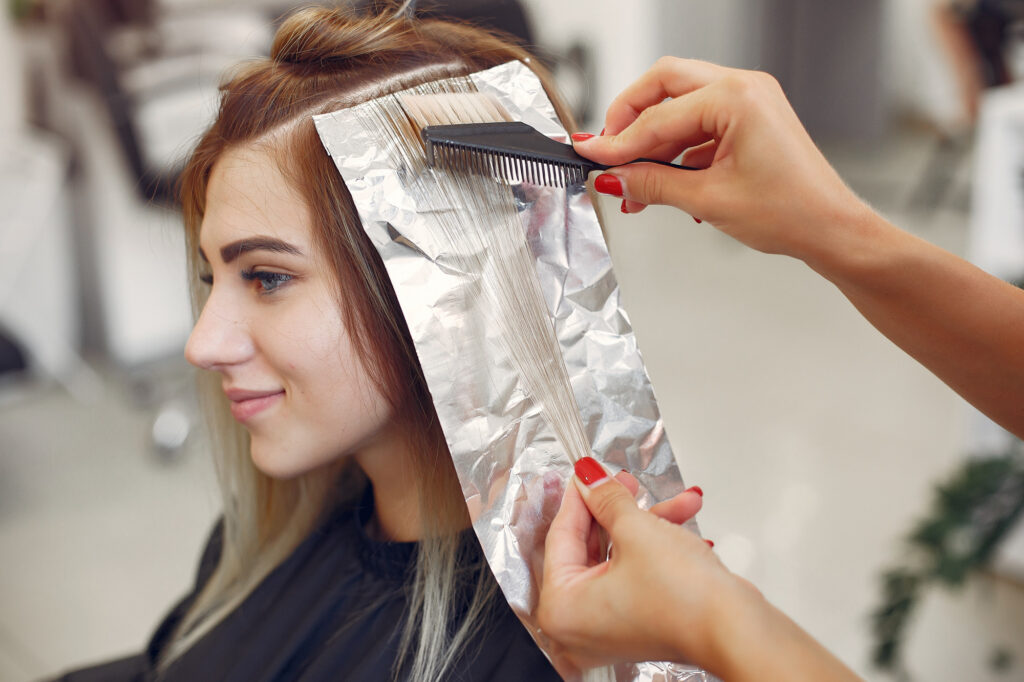
Advanced techniques like balayage, color melting, and foil highlights usually get discussed here too, since each one carries a different maintenance schedule and a different starting point depending on your current color level.
A stylist’s first-person view: what to say and what to avoid

Clients get the best results when they’re upfront about their hair’s real history, not the version they wish were true. Admitting to a box-dye touch-up six months ago, or a perm two years back, gives a stylist the information needed to recommend the right formula instead of one that reacts unpredictably.
Good photos and genuine openness to a staged plan speed everything up. A short checklist before you go: bring real photos, know your last color date, and stay open to hearing that your goal might take two visits instead of one.
— Juiced
Ready for your own color consultation
We build every color appointment around a real consultation first, whether you’re booking a root touch-up or dreaming about a full balayage transformation. We check your hair’s history, current condition, and goals before recommending anything, so the plan you leave with actually fits your hair and your timeline.

- We offer full consultations ahead of services like Full Balayage, All Over Color, and Color Transformation, with pricing discussed once we’ve seen your hair.
- If you’re coming for corrective color, we walk through what went wrong previously and build a staged plan to fix it safely.
- We also talk through aftercare and products during your consultation, so you know what maintenance to expect before you book.
Ready to see what a personalized plan looks like for your hair? Explore our services and book a consultation with our team.
FAQ
How long does a hair color consultation take?
Most hair color consultations run about 15 to 30 minutes, giving you and your stylist enough time to discuss goals, review your hair history, and get a time and price estimate. Some salons combine the consultation with the color appointment itself rather than scheduling it separately.
Is a hair color consultation free?
It depends on the salon: some offer consultations at no charge, while others charge a fee that gets credited toward your eventual service, according to this explainer on color consultations. It’s worth asking directly when you book so there are no surprises.
What should I bring to a color consultation?
Bring two or three inspiration photos taken in natural light, a short note on your last color date and any chemical treatments like relaxers or perms, and a clear idea of your budget and timeline. Mentioning any allergies or past reactions to color up front also helps your stylist plan safely.
Why would I need multiple appointments instead of one?
Major changes, like going several levels lighter or correcting a previous color mistake, often require a staged plan to protect your hair’s health rather than pushing too much lift in a single session. Your stylist will explain this during the consultation based on what they find during your hair diagnosis.
Do I need a patch test before coloring my hair?
A skin patch test is often recommended before permanent color, especially if you have any history of sensitivity, and professional color guidelines support this as standard practice for client safety. Ask your salon about their specific patch-test policy when you schedule your consultation.
Sources
- What To Expect During A Color Consultation – Hair Culture Day Spa
- Tips to give an expert color consultation – Schwarzkopf Professional
- What Is a Color Consultation? – Spiegato