
3 Heatless Long Hair Finishes for 2026 and a Salon Checklist

The coolest long hair styles for 2026 share one trait: they move. A modern shag or wolf cut (moderate upkeep), curtain bangs with long layers (low), mermaid waves (low to moderate), boho braids (low), a polished blowout (moderate), a blunt one-length cut (low), and men’s long layered styles (low) cover most of what’s trending right now. Scan the shortlist below, then jump to the how-to steps to try one at home.
TL;DR:
- Longer styles like curtain bangs with long layers and blunt cuts require minimal daily styling, mainly air-drying or simple blow-drying.
- Heatless waves can be achieved effectively by braiding damp hair overnight or twisting sections around flexi-rods before unraveling in the morning.
- Low-maintenance options are best paired with soft balayage or dimensional lowlights to enhance movement and depth without heavy layering.
- Protect long hair from damage by alternating styles, using gentle accessories, and trimming every 10 to 12 weeks to prevent split ends.
- Professional consultations focus on personalized shaping that respects natural texture and face shape, with smaller changes recommended before dramatic cuts.
Table of Contents
- 1. Cool long hairstyles worth trying this year
- 2. How do you style long hair step by step?
- 3. Which colors pair best with which long cuts?
- 4. How do you keep long hair healthy while styling it?
- 5. What products and tools actually help long hair?
- 6. Why a professional consultation changes the result
- 7. A stylist’s take on long hair in 2026
- Book a long hair consultation with us
- FAQ
- Sources
1. Cool long hairstyles worth trying this year
These are the long hair directions showing up across 2026 trend reporting, chosen because they wear well day to day rather than demanding a full styling session each morning.
- Modern shag or wolf cut: a layered, textured shape that blends shag and mullet influences; works on wavy or curly textures when the stylist respects the natural curl pattern, as noted in Vogue’s wolf cut coverage; moderate maintenance; refresh with a texturizing spray instead of reflat-ironing it.
- Curtain bangs with long layers: soft, face-framing pieces that part down the middle; flatters round and square face shapes; low maintenance; blow-dry with a round brush for ten minutes, then let the rest air-dry.
- Mermaid waves: loose, S-shaped waves running the full length of the hair; suits thick or medium hair best; low to moderate maintenance; braid damp hair overnight for a heatless version.
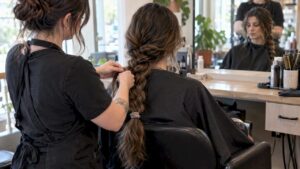
- Boho braids: loose fishtail or Dutch braids with pulled-apart pieces; a low-tension option that works for most textures; low maintenance; great for gym days or travel.
- Polished blowout: smooth, voluminous, salon-finish hair with a slight bend at the ends; best on fine to medium hair; moderate maintenance; needs a large round brush and a blow-dryer with a concentrator nozzle.
- Long blunt one-length: hair cut straight across with little to no layering; ideal for thick, healthy hair that holds weight well; low maintenance; a monthly dusting keeps the line crisp.
- Face-framing layers only: a subtle update for readers not ready to cut length; works on any texture; low maintenance; softens the face without losing inches.
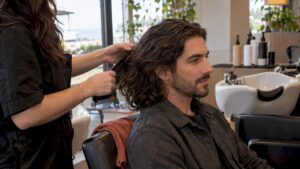
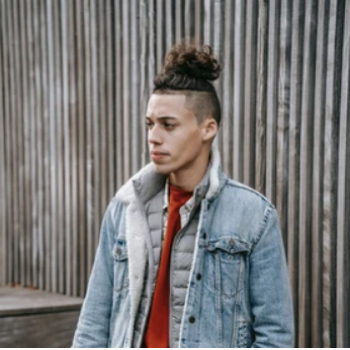
- Men’s long layered cut: shoulder-length or longer with internal layering to reduce bulk; suits straight to wavy hair; low to moderate maintenance; a sea-salt spray adds texture without product buildup.
- Men’s slicked-back long style: swept-back length with a light pomade finish; works best on straight or slightly wavy hair; moderate maintenance; needs a strong-hold product and a comb.
- Low braided bun or tucked braid: a protective, low-tension updo that keeps ends hidden; good for curly or damaged hair that needs a break from manipulation; low maintenance.
- Half-up topknot: a quick style that keeps hair off the face while leaving length visible; suits every texture; low maintenance; ties in seconds with a soft elastic.
2. How do you style long hair step by step?
Three finishes cover most of what readers search for, and all three can be done with heatless methods when time allows.
- Mermaid or beachy waves (heatless, 20 to 30 minutes plus overnight set): braid damp hair into two or three loose braids before bed, or twist sections around flexi-rods; sleep on it, then unravel and finger-comb in the morning. See heatless styling techniques for variations.
- Curtain bangs (10 minutes): blow-dry the front pieces away from the face using a medium round brush, then set with a cool shot of air to lock the bend.
- Undone shag texture (5 to 10 minutes): scrunch a texturizing spray into damp or dry hair, then twist random one-inch sections and release for piecey separation.
For a fuller rundown on heatless waves, our guide on achieving beach waves naturally walks through the braid-and-release method in more detail.
Pro Tip: Apply products in this order for the cleanest finish: leave-in conditioner first, heat protectant second, styling product last.

3. Which colors pair best with which long cuts?
The right color choice can make a long cut look more dimensional without adding a single layer.
- Curtain bangs pair well with soft balayage, since the lighter pieces frame the face exactly where the bangs fall.
- Wolf cuts look best with dimensional lowlights, which deepen the shadow root and make the choppy layers read as intentional rather than uneven.
- Blunt one-length cuts shine with a glossy, single-tone finish, since the smooth color reflects more light along the straight edge.
- Fine hair benefits from internal shaping rather than heavy layering, which adds movement without thinning out what little density is there; see our notes on styling fine hair for volume.
- Thick hair often needs weight removed from underneath, a technique covered in our piece on haircuts for thick hair, so the top layer doesn’t look flat.
- Curly hair does best with point-cut, blended face-framing layers rather than one hard line, which keeps curls from springing up unevenly.
At a consultation, ask specifically for internal shaping or blended face-framing layers if you want movement without losing visible length.
4. How do you keep long hair healthy while styling it?
Long hair stays cool-looking only as long as it stays intact, which means prevention matters more than any single product.
- Alternate your go-to style day to day instead of wearing the same tight ponytail or bun repeatedly.
- Swap rubber elastics for silk-covered or foam-covered ties, and skip accessories that pull at the hairline.
- Favor low-tension braids or tucked styles over sleek, pulled-back looks when you need hair secured.
- Keep hot tools at least 5 inches from your hair and use a heat protectant every time, a distance rule noted in guidance on heat-damaged hair.
- Trim every 10 to 12 weeks to keep split ends from traveling up the shaft.
Traction alopecia develops from repeated tight styling, and prevention includes wearing hair down more often and alternating styles rather than relying on one high-tension look every day, according to Healthline’s overview of traction alopecia. Thinning along the hairline or soreness after styling are both signs it’s time to loosen up or see a professional.
5. What products and tools actually help long hair?
A short, functional kit beats a crowded shelf.
- Leave-in conditioner adds moisture and makes detangling easier on length that’s prone to dryness.
- Texturizing spray creates the undone, piecey look that defines most 2026 shags and waves.
- Heat protectant is non-negotiable before any hot tool touches the hair.
- A large round brush and a dryer with a concentrator nozzle build the smooth bend seen in a polished blowout.
- Flexi-rods or a wide-barrel waver give heatless or low-heat wave options.
Patch-test any new deep-conditioning or protein treatment before a full application, since overusing protein-based products can leave hair brittle and limp, a pattern described in guidance on protein overload. Leave color treatments to a professional.
6. Why a professional consultation changes the result
We built Joel C Ma Hair Studio around more than 25 years of the founder’s experience in artistic cutting, balayage, and customized consultations, and our stylists use advanced techniques to shape long hair around each client’s texture and face shape rather than applying a one-size cut. We also publish current guides, including our 2026 long hair style guide, to keep clients informed between visits.

Bring these to your appointment: reference photos, how much daily styling time you’re willing to give, your current routine, any scalp sensitivities, and your history of color or chemical services.
7. A stylist’s take on long hair in 2026
The biggest shift in long hair right now isn’t a specific cut, it’s permission to stop fighting your texture. Movement and lower tension photograph better than perfection ever did, and a style that survives your actual morning beats one that only works fresh from the chair. Before committing to a dramatic chop, test smaller changes first, like face-framing layers or wispy bangs, and see how they fit your routine.
— Juiced
Book a long hair consultation with us
We offer a full range of hair services behind every look in this guide, including haircuts, color and texture work, blowout styling, special-occasion updos, hair extensions, smoothing, and deep-conditioning treatments.

If you want a second opinion on which cut or color pairing suits your hair, our team walks through it in person before any scissors come out. Book a consultation or browse our full service menu to get started, or look at our updo and special-occasion styling if you’re prepping for an event.
FAQ
What is the most low-maintenance long hairstyle right now?
Curtain bangs with long layers and a long blunt one-length cut are the two lowest-maintenance options, since both air-dry well and need little daily styling. Allure’s 2026 trend coverage points to softer, airier long shapes as the dominant low-effort direction this year.
How do I get mermaid waves without heat?
Braid damp hair into two or three loose sections before bed, or twist it around flexi-rods, then release in the morning and finger-comb for a soft, undone wave. This heatless method typically takes a few minutes to set up and works overnight, as outlined in our guide to achieving beach waves naturally.
What long hairstyles work for men?
Men’s long layered cuts, slicked-back styles, and low buns are all trending for 2026, each suited to different hair textures and maintenance preferences. For more grooming-specific guidance, this partner guide to men’s hairstyles covers cut and care options in more depth.
Can tight hairstyles cause hair loss?
Yes, repeated tight styling can lead to traction alopecia, a form of hair loss caused by sustained pulling at the roots. Prevention includes alternating styles, wearing hair down more often, and choosing low-tension braids or buns instead of consistently tight ones, according to Healthline.
What should I ask for at a salon to get a wolf cut or shag?
Ask your stylist for internal shaping and point cutting rather than heavy, uniform layering, since this builds movement without creating bulk. Vogue’s reporting on the wolf cut notes that the cut adapts well to different textures when shaped around the natural curl pattern.
Sources
- The Top Hair Trends of Fall 2026 Prioritize Comfort and Ease — See Photos | Allure
- The Wolf Cut Will Be Everywhere This Spring | Vogue