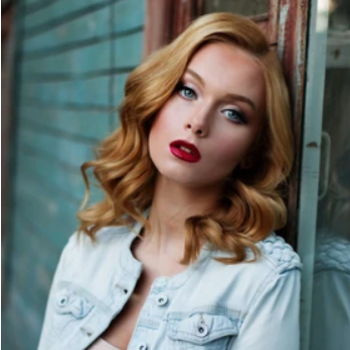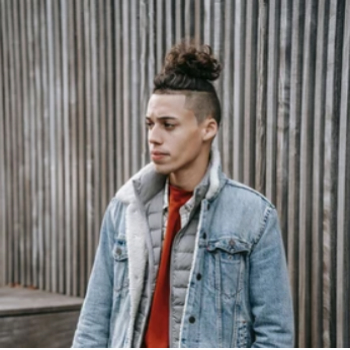

25+ Years of Experience for Men’s Hairstyles Near Me in St. Petersburg

Book an experienced barber or a consultation-driven stylist who matches your hair type and how much time you actually spend styling each morning. Bring a reference photo and tell them your daily styling time in one sentence, something like “I spend three minutes on this.” The rest of this guide walks through how to choose a provider, what to say in the chair, what it should cost, and how to keep the cut looking sharp between visits.
TL;DR:
- Choosing a barber or stylist should be based on their skill in your preferred cut type and their ability to match your hair texture, not just location or reviews.
- Rebooking intervals vary by style, with fades every 3 to 4 weeks, textured crops every 4 to 6 weeks, and longer cuts every 6 to 8 weeks, depending on how they grow out.
- Clear communication about your daily styling time and bringing reference photos tailored to your hair texture significantly improves the haircut outcome.
- Prices range from around $25 for basic cuts to $50 or more for full-service appointments, with tips generally 15% to 20% of the total cost.
- Pre-appointment questions and a consultation standard improve satisfaction and maintenance, especially when matched to your styling routine and hair type.
Table of Contents
- How to choose a local barber or stylist
- Popular men’s hairstyles right now and how to ask for them
- What men’s haircuts cost locally and how much to tip
- When to rebook and how to maintain the cut at home
- Why this guide reflects real salon experience
- What most local guides get wrong about picking a barber
- A consultation-first option if you want it done right
- Primary sources used
- Sources
- FAQ
How to choose a local barber or stylist
The first decision is not which shop, it is which type of provider. Barbers specialize in fades, tapers, and short textured cuts using clippers and straight razors. Stylists trained in scissor work handle longer layers, curly texture, and cuts that need to blend into color or a beard shape. If you want a skin fade or a buzz cut, go to a barber. If you want a longer scissor cut, curls shaped with layers, or anything paired with color, a stylist with a consultation-first approach usually gets closer to what you pictured.
Once you know which type of provider you need, judge the shop or salon on a short list of signals before you book.
- Skill signs: clean, even fade lines in portfolio photos, sharp fade or lets you tell they blend rather than blur.
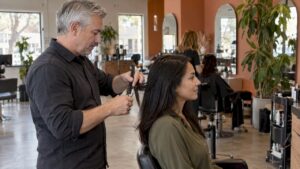
- Communication: they ask about your hair type, cowlicks, and how you style it day to day, not just “what do you want?”
- Hygiene: visibly clean tools, fresh capes, and sanitized stations between clients.
- Booking friction: can you actually get an appointment within a reasonable window, or is everything booked out for weeks with no waitlist option?
- Price transparency: they quote a range before you sit down, not after the cut is halfway done.
Before you commit to a chair, a short phone call or text can save you a wasted trip. Ask these questions directly:
- What’s your availability this week, and do you take walk-ins or is it appointment only?
- What’s the price range for a cut like the one in this photo?
- Do you do skin fades, or scissor work on curly hair, whichever matches your need?
- About how long will the appointment take?
Vague answers to any of those four are a red flag. So is a barber or stylist with no portfolio to show you, or one who rushes through the consult without looking at your hair or asking a single question. A rushed five-second glance before clippers come out is a sign you will get a generic cut, not one built around your head shape and how you actually wear your hair.
The flow that works: call or text first, ask the four questions above, then book with whoever answers clearly and has photos that match the texture and density of your own hair. That last part matters more than most guys think. A portfolio full of straight, fine hair does not tell you much if you have thick, coily hair. Look for examples close to your own texture before you decide.
Pro Tip: Save two or three reference photos on your phone before you ever call a shop, so you can text them ahead of your appointment instead of trying to describe a fade height in words.
Popular men’s hairstyles right now and how to ask for them
Heading into 2026, a handful of styles keep showing up across barbershops and salons because they work on a wide range of hair types and lifestyles. High skin fades and textured crops rank among the most requested cuts, and the smartest way to pick one is by matching it to your hair type and how much daily maintenance you’re willing to do, not just what looks good in a photo.
Here is a working list of the styles men are asking for most, with who they tend to suit and the upkeep involved.
- Textured crop: suits thick to medium hair, low to moderate daily styling, works with most face shapes.
- Crew cut: suits fine or thinning hair, very low maintenance, a safe choice for a first-time barber visit.
- Buzz cut: suits any hair type willing to go short, close to zero daily styling.
- Skin fade (low, mid, or high): suits straight to wavy hair, moderate upkeep since the fade grows out fast.
- Quiff or pompadour: suits hair with some length on top, moderate to high daily styling with product.
- Curly top with taper: suits curly or coily hair, low daily effort if cut well, since the curl does the work.
Short, low-maintenance cuts like buzz cuts, crew cuts, and textured crops are consistently recommended for men who want a sharp look without a daily styling routine. If your morning routine is genuinely under two minutes, lean toward a buzz cut, crew cut, or curly taper. If you’re fine spending five to ten minutes with product, a textured crop or quiff opens up more options.
Face shape and hair type still matter at the margins. Rounder faces usually look sharper with more height on top and shorter sides. Square jaws can carry a tighter fade well. Thick, coarse hair holds texture and volume better than fine hair, which tends to look flatter and benefits from shorter length overall.
Where a lot of cuts go wrong is the conversation before the clippers come out. Barber scripts that specify guard numbers, fade height, and top length in inches cut down on miscommunication far more than vague requests like “just a fade” or “not too short.” Try language like this:
- “Low skin fade to a 2 on the sides, 1.5 inches on top, textured with point cutting, matte paste finish.”
- “Mid fade, blend into a beard line, keep the crew cut about a half-inch all over.”
- “Curly taper, guard 3 on the sides, leave the top natural length, no product needed.”
Statistic Callout: Deciding your maintenance level before the appointment is one of the strongest predictors of long-term satisfaction with a haircut, more so than the specific style you pick.
Before you sit down, have three things ready: photos from a couple of angles (front and side, not just one flattering shot), a one-line answer for how many minutes you spend styling daily, and a preferred product finish, whether that’s matte, a light shine, or nothing at all.
Pro Tip: Telling your barber your actual daily styling time in one sentence changes which cuts they’ll recommend, and it prevents you from walking out with a style that needs ten minutes of blow-drying you never intended to do.
For more style options and current inspiration, the creative men’s haircuts guide for 2026 covers a wider range of looks, and the face shape and hair type guide goes deeper into matching a cut to your features.
What men’s haircuts cost locally and how much to tip
Price depends on who’s cutting your hair and what’s included. A straightforward barbershop cut runs less than a full-service salon appointment that includes a shampoo, consultation, and styling. Extra services like a beard line-up, a hot towel finish, or a blow-dry style push the price up from a bare clipper cut.
At Joel C Ma Hair Studio, for comparison, a men’s haircut runs $45 to $50, and a men’s color service runs $55 to $80. Those numbers give you a sense of what a consultation-driven, full-service cut costs versus a quick barbershop visit, which can run lower depending on the shop.
Here’s what that looks like in practice:
- On a $25 cut: a $4 to $5 tip covers standard 15% to 20%.
- On a $40 cut: $6 to $8 is the standard range.
- On a $60 cut: $9 to $12 covers it, more if the consult ran long or they fixed something tricky.
Consistent tipping and clear etiquette build rapport with a barber over time, and regulars sometimes get first pick of appointment slots or extra attention on detail work as a result. Tip more when a barber spends real time on a consult, works around a tricky cowlick, or stays late to get a fade exactly right.
Always ask for a price range before you sit down, not after. A shop that hedges on price when asked directly is one to think twice about.

When to rebook and how to maintain the cut at home
How often you need to go back depends entirely on the style you picked, not on a fixed calendar.
- Fades and skin fades: rebook every 3 to 4 weeks, since the tight sides grow out fastest and lose their sharp line first.
- Tapers and textured crops: rebook every 4 to 6 weeks, a bit more forgiving since the length is longer overall.
- Medium to long scissor cuts: rebook every 6 to 8 weeks or more, since length changes don’t show as fast.
Between visits, keep the routine simple. Short, low-maintenance cuts need little more than a light matte paste or clay worked through damp hair. Longer or textured cuts benefit from a cream or light pomade to control frizz and add shape without weighing hair down. Curly cuts hold up best with a leave-in cream that defines curl pattern rather than a heavy gel that flattens it.
When you book your next appointment, use guard numbers instead of vague terms. Telling a barber “same as last time, guard 2 on the sides” is clearer than “just clean it up,” and it keeps the style consistent over multiple visits instead of drifting shorter or longer each time.

Pro Tip: Take a photo of your cut right after your appointment while it’s freshly done, so you have an exact reference to show your barber next time instead of relying on memory.
Why this guide reflects real salon experience
This guide draws on more than 25 years of hands-on experience in cutting, coloring, and consulting with clients on hair that ranges from straight and fine to thick and curly. That kind of repetition across thousands of appointments teaches you which questions actually matter in a consultation and which ones are just small talk.
Joel C Ma Hair Studio built its approach around that experience: artistic haircuts, advanced coloring techniques like balayage, and consultations that treat each head of hair as a different technical problem rather than applying one template to everyone who sits down.
A few things that experience translates into for anyone booking a cut, anywhere:
- Better consultations: an experienced stylist asks about cowlicks, growth patterns, and daily routine before touching scissors.
- Clearer style translation: turning a reference photo into an actual cut that works with your hair, not just a copy of someone else’s texture.
- Reliable maintenance plans: a rebooking schedule that matches your style instead of a generic six-week default.
- Professionalism and safety: sanitized tools, clean stations, and a consistent standard of care every visit.
The salon operates in La Jolla, California, with a focus on personalized service and a luxury environment rather than a high-volume walk-in model. That consultation-first standard is worth using as a benchmark even if the closest chair to you is a barbershop instead of a studio.
What most local guides get wrong about picking a barber
Most advice on this topic treats every barbershop or salon as interchangeable and hands you a list of five nearby options with star ratings, as if proximity and reviews were the whole decision. They’re not. The bigger variable is whether the person cutting your hair actually asks questions before they start, and whether you’ve given them anything specific to work with.
A photo and a one-line styling-time disclosure change the outcome of a haircut more than which shop you walk into. Most men skip both, then blame the barber when the cut doesn’t match what they pictured. Conventional local guides also underweight maintenance level, treating style choice as the main decision when maintenance level predicts satisfaction just as strongly.
If you take one thing from this guide, make it this: decide how much daily styling you’re willing to do before you decide on a style, then bring photos and say that time limit out loud in the chair. That single habit fixes more bad haircuts than switching shops ever will.
— Juiced
A consultation-first option if you want it done right
If you’d rather skip the guesswork of vetting a new barber and want a cut built around an actual conversation about your hair, Joel C Ma Hair Studio offers men’s haircuts starting with a real consultation, not a five-second glance before clippers start. A men’s haircut runs $45 to $50, and a men’s highlight service runs $100 to $155 if you’re looking to add subtle color into the mix.
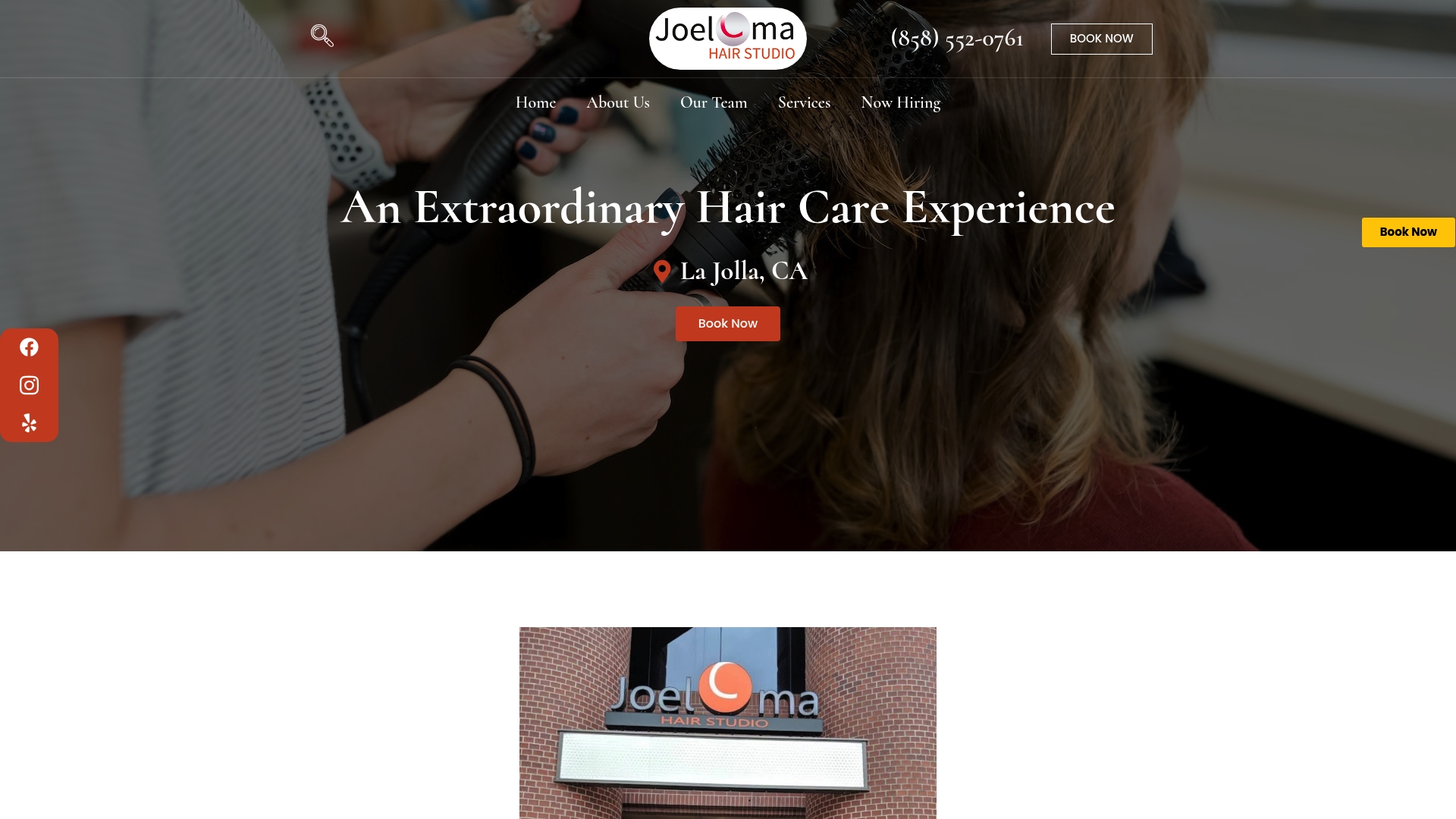
Booking works the same way as any consultation-driven salon: reach out through the services page, bring a couple of reference photos, and expect a short conversation about hair type, growth pattern, and daily styling time before anything gets cut.
- What to expect: a consultation first, then the cut, with attention to how the style will hold up as it grows out.
- Where it’s based: in a full-service salon setting.
- If you’re not nearby: use the criteria and questions in this guide to vet a barber or stylist close to you instead.
See the full men’s haircut and color menu for exact pricing on cuts, color, and add-on services before you book.
Primary sources used
- Barbershop etiquette guide: explains how tipping and communication affect the client-barber relationship.
- Men’s haircut styles guide for 2026: tracks which styles are most requested and their maintenance levels.
- Barber scripts and styling tips guide: provides exact language templates for requesting a cut.
Sources
- Men’s Haircut Styles 2026 | Modern, Classic & Trending Hairstyles for Men
- Popular Men’s Hairstyles (2026) + Barber Scripts & Styling Tips
- Understanding barbershop etiquette: The unspoken rules of the chair
FAQ
What should a man’s haircut cost?
Price depends on the shop and services included. At a full-service salon like Joel C Ma Hair Studio, a men’s haircut runs $45 to $50, while barbershop prices vary by market and typically run lower for a basic clipper cut.
Where to go for a men’s haircut?
Choose a barber for fades, tapers, and short clipper work, or a consultation-driven stylist for scissor cuts, curly hair, or anything paired with color. Match the provider type to your hair goal first, then vet them using portfolio photos and a short phone call before booking.
Is $30 too much for a haircut?
Whether prices feel reasonable depends on the market and what’s included, since a bare clipper cut costs less than a full consultation with shampoo and styling. Ask for the price range before you sit down so there are no surprises when you check out.
How much do you tip for a $40 haircut for men?
Tip toward the higher end if the barber spent extra time on a tricky fade or gave you a thorough consultation.