
10–15 Minute Consultation for Korean Haircuts in St. Petersburg

If you search “korean haircut near me” in St. Petersburg, the fastest path to a great result is to book a stylist experienced with Asian hair textures. Start with a consultation and clear reference photos, since technique matters more than the label on the style. If you want a specialist known for personalized, artistic cuts, a high-end salon with expert stylists is worth considering as your starting point.
TL;DR:
- A stylist experienced with Asian hair must understand its density, thickness, and natural growth patterns to achieve authentic Korean hairstyles.
- Styles like the two-block cut, comma hair, and curtain bangs require precise layering and regular trims to maintain their shape and movement.
- Booking a consultation is essential to tailor the cut to your natural texture, cowlicks, and styling routine, especially when requesting specific Korean-inspired looks.
- Hair cutting prices in the US range from $45 to $75, with additional charges for styling or blow-drying, and come with specific home maintenance requirements.
- Prioritize stylists who ask about your hair’s natural behavior, review your references from multiple angles, and clearly explain their approach during the consultation.
Table of Contents
- Why specialist training matters for Korean cuts and Asian hair
- Popular Korean haircut styles and which hair looks suit them
- How to find and book a stylist experienced with Korean cuts near you
- What to expect at the appointment: timing, pricing, and tipping
- How to prepare for the cut and maintain it at home
- Stylist perspective: a walk-through of a Korean-cut consultation
- Recommended option: Joel C Ma Hair Studio, services and how to book
- Sources and further reading
- FAQ
Why specialist training matters for Korean cuts and Asian hair
A Korean haircut is not one specific shape. It covers a family of looks, including the two-block cut, comma hair, curtain bangs, and softer layered styles popularized by K-pop and Korean film and television. What links them is a dependence on how the hair actually falls, which means a stylist unfamiliar with Asian hair density and growth patterns can turn a great reference photo into a disappointing result.
Asian hair tends to grow in a rounder cross-section, which makes strands stiffer and straighter than many other hair types, and often thicker per strand with a higher overall density. Cowlicks and strong natural part lines are common, and they change how a fringe or top layer needs to be cut to lie correctly. A stylist who has not worked with this texture regularly may over-thin the hair or misjudge how much a layer will “spring” once it dries, leaving gaps or a shape that will not hold.
- Hair density and thickness determine how much weight needs to be removed without leaving thin patches.
- Straightness and coarseness affect how sharply a line can be cut and how it will fall once dry.
- Growth patterns and cowlicks change where layers should start to avoid flipping the wrong way.
A properly texturized Korean cut relies on precise layering rather than heavy thinning to keep movement without losing density. This is one reason Joel C Ma Hair Studio positions itself around a consultation-first approach, backed by the founder’s extensive years of experience and a portfolio built around personalized, artistic cuts rather than one-size-fits-all templates.
Popular Korean haircut styles and which hair looks suit them
Most requests fall into a handful of recognizable categories, and each behaves differently depending on your natural texture.
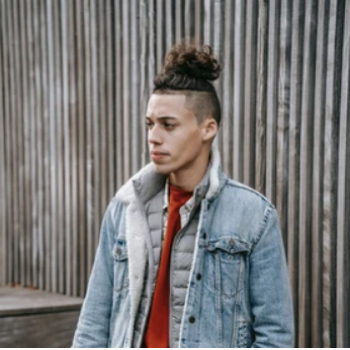
The two-block cut pairs short, clean sides and back with a longer, textured top, and it is one of the most requested Korean men’s styles. On straight, dense hair it holds its shape with minimal styling. On finer or wavier hair, the top section needs extra texturizing to avoid looking flat or bulky.

Comma hair describes a side-swept fringe that curves gently across the forehead, resembling the shape of a comma. It works well on straight to slightly wavy hair and needs regular trims to keep the curve from growing out into a straight line.
Curtain bangs part in the center and frame both sides of the face. They suit most face shapes but require some natural bend or a round brush blow-dry to keep the curtain shape rather than falling flat.
The soft mullet blends shorter layers on top with longer pieces at the back and sides, and it works best on hair with at least some texture, since fully straight, fine hair can make the transition between lengths look abrupt.
A layered bob with soft internal layers adapts to almost any texture, though thicker hair may need more layering to avoid a heavy, triangular shape.
- Two-block cut: low daily maintenance, occasional texturizing spray.
- Comma hair and curtain bangs: need a round brush and light heat styling most days.
- Soft mullet and layered bob: benefit from a lightweight cream to define pieces without weighing them down.
Pro Tip: Bring two or three reference photos from different angles, front, side, and back, so your stylist can see how the cut is meant to move, not just how it looks in one frozen frame.
How to find and book a stylist experienced with Korean cuts near you
Local recommendations for a Korean cut in St. Petersburg often start the way a lot of good salon recommendations do: word of mouth, Instagram tags, and local forum threads. Community posts commonly suggest looking for stylists who explicitly list “Asian hair” or “Korean styles” in their portfolio captions or bios, since that signals direct experience rather than a general skill set.
- Search Instagram and Google using both “korean haircut near me” and “Asian hair salon” to widen your results.
- Check portfolios for close-up, second-day photos of finished cuts, not just fresh-from-the-chair shots.
- Look for language in a stylist’s bio or reviews mentioning texture work, thick or coarse hair, or Korean and Asian styling specifically.
- Message the salon before booking and ask directly whether the stylist has experience cutting Asian hair textures.
- Request a consultation appointment first if the salon offers one, rather than booking straight into a cut.
When you reach out, keep your message specific. Say what style you want (for example, “two-block with a textured top” or “curtain bangs with a soft mullet in the back”), mention your current length, and attach your reference photos.
- Green flag: the stylist asks about your hair’s natural behavior, cowlicks, and how you style it day to day.
- Green flag: reviews mention specific Korean or Asian-hair results, not just general satisfaction.
- Red flag: the salon cannot describe how they would adjust the cut for straighter or denser hair when you ask.
What to expect at the appointment: timing, pricing, and tipping
A Korean-style cut usually starts with a consultation portion before any cutting begins. Expect the stylist to review your reference photos, check your hair wet and dry, and ask about your styling routine and how much daily effort you are willing to put in. This portion typically takes 10 to 15 minutes, with the cut itself running another 30 to 45 minutes depending on how much texturizing and layering the style requires. A blow-dry finish can add another 15 to 20 minutes.

Pricing varies by market and salon tier. At Joel C Ma Hair Studio, a women’s haircut runs $60 to $75 and a men’s haircut runs $45 to $50, with a blow-dry style available separately for $45 to $75 if you want a finished look for the day.
Common U.S. tips:
- Confirm the price range when you book, especially if you are requesting an add-on like a deep conditioning treatment.
- Ask how long the appointment is blocked for so you are not rushed through a consultation.
- Clarify whether the quoted price includes a blow-dry finish or if that is billed separately.
How to prepare for the cut and maintain it at home
Come to your appointment with clean or day-old hair, since a fresh wash right before cutting can make natural texture and part lines harder to read. Bring your reference photos, and be ready to talk through your daily routine: how much time you spend styling, whether you use heat tools, and what has frustrated you about past cuts.
Once you are home, daily maintenance depends on the style. Curtain bangs and comma hair generally need a round brush blow-dry, directing the front sections down and across rather than straight back. A soft mullet or layered bob benefits from a lightweight styling cream worked through damp hair before air-drying or a light blow-dry, which helps define the layers without flattening them.
- Two-block cuts: light texturizing spray on top, minimal product on the sides.
- Comma hair and curtain bangs: round brush plus a heat protectant if you blow-dry daily.
- Layered styles: a dime-sized amount of cream or light oil on mid-lengths and ends.
Plan a trim every 6 to 8 weeks for shorter, precise shapes like the two-block cut, and every 8 to 10 weeks for longer layered styles that can grow out more gracefully. At each visit, mention any spots where the cut has grown awkwardly so your stylist can adjust the shape rather than just trimming length.
Pro Tip: Take a photo of your cut immediately after it is finished so you have an accurate reference for how it should look when you restyle it at home.
Stylist perspective: a walk-through of a Korean-cut consultation
A good consultation starts with questions, not scissors. A stylist will typically ask what you liked or disliked about your last cut, how much time you spend styling on a normal morning, and whether you have any cowlicks or stubborn part lines that have caused problems before.
From there, the real work is translation. A reference photo shows a finished shape, but it does not show how that person’s hair behaves naturally. A stylist has to look at your density, your part, and how your hair dries to figure out where layers should start and how much weight to remove so the same silhouette works on your head, not just in the photo.
The best sign of a strong consultation is a stylist who explains their reasoning as they go, so you understand why they are adjusting the plan rather than just copying lines from an image.
— Juiced
Recommended option: Joel C Ma Hair Studio, services and how to book
If you want a Korean-style cut handled with real attention to texture, look for a salon that builds its process around a consultation first, then a cut shaped to your hair’s natural behavior rather than a template. Experienced stylists often center their approach on personalized style consultations, so your two-block, comma hair, or curtain bangs request gets adjusted for your actual density and growth pattern before a single cut is made.
For a Korean-inspired cut, start with a women’s haircut ($60 to $75) or a men’s haircut ($45 to $50), and add a blow-dry style ($45 to $75) if you want the finished, styled look before you leave.
- Book a consultation-first appointment to discuss your reference photos and hair history.
- Bring two or three angles of your desired style so the stylist can plan the layering accordingly.
- Ask about maintenance timing during your visit so your next trim is already on the calendar.
Full service details and booking are available on the services page, where you can review pricing and request the appointment type that fits your goals.
Sources and further reading
For more on what a personalized consultation covers, see Joel C Ma Hair Studio’s guide to finding an Asian hair salon and its consultation questions checklist. For face-shape fit, the studio’s bangs and face-shape guide and appointment preparation checklist offer additional detail on planning your visit.
FAQ
What is a Korean haircut called?
There is no single name since it covers several styles, including the two-block cut, comma hair, curtain bangs, and softer layered looks popularized by Korean film, television, and K-pop. The right term depends on which specific shape you want, so showing photos is more reliable than naming a style.
How much is a typical haircut in Korea?
Pricing in Korea depends heavily on the salon’s tier and location, so there is no single reliable figure to quote for a US reader. In the United States, pricing depends on your local market and the salon’s positioning, and at Joel C Ma Hair Studio a women’s haircut runs $60 to $75 while a men’s haircut runs $45 to $50.
How much do you tip a $50 haircut?
This is a general guideline rather than a fixed rule, and some clients tip more for detailed consultation or texturizing work.
How do I ask for a Korean two-block haircut?
Describe it as short, clean sides and back paired with a longer, textured top, and bring reference photos from the front and side so your stylist can see the intended proportions. Mention your natural hair texture and any cowlicks so the stylist can adjust the layering to hold the shape on your specific hair.