
Color Correction Salon: What to Expect and When to Book
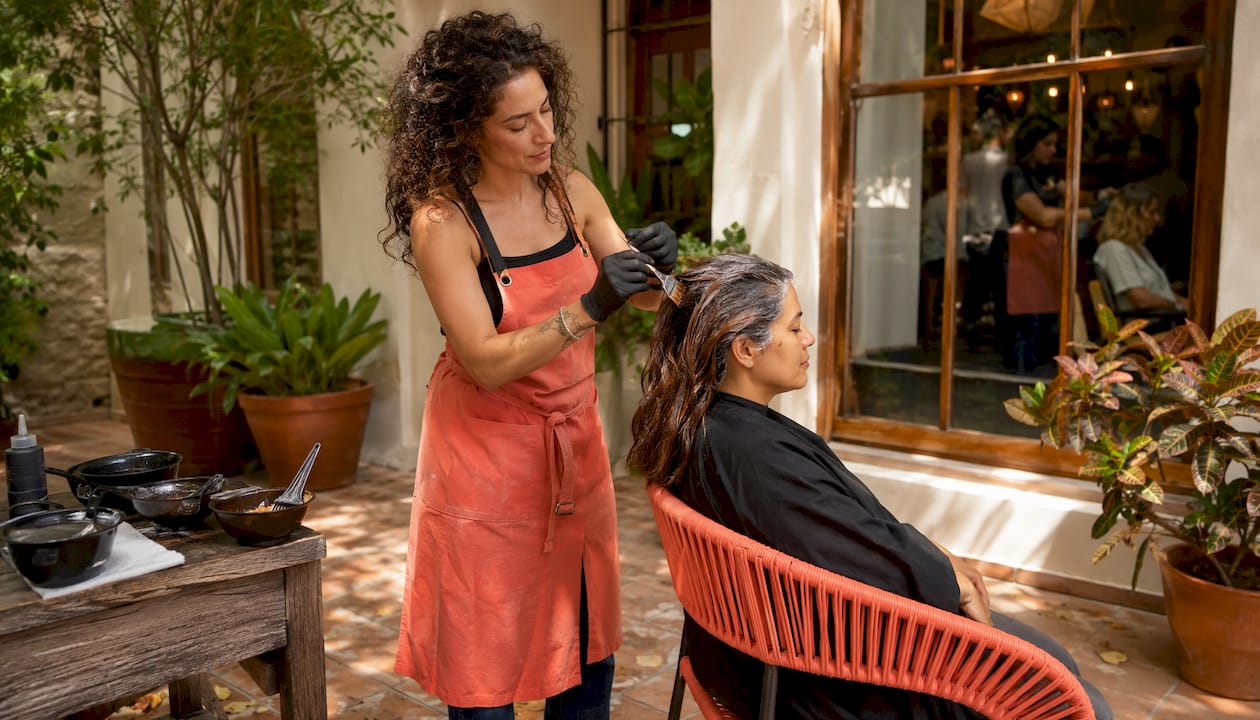
A color correction salon diagnoses and fixes unwanted or damaged hair color using staged, safety-first chemical and tonal techniques. If your hair is brassy, patchy, or the wrong shade entirely, the right next step is booking a consultation — not another box of dye.
Here’s what a professional correction typically delivers:
- Tone neutralized: unwanted orange, yellow, or red casts cancelled using color-wheel opposites
- Pigment removed: artificial color lifted or stripped to a workable base
- Hair filled: missing base pigment added before a darker shade is applied
- Tone sealed: a glaze or toner locks in the final result and adds shine
Pro Tip: Book a consultation before any corrective chemistry. A strand test and hair history review at that first appointment determine whether your correction is a single visit or a multi-session plan.
Table of Contents
- What does hair color correction actually fix?
- Who actually needs a color correction appointment?
- How does a salon color correction work, step by step?
- How long does color correction take?
- How salons price color correction services
- How to prepare for your color correction appointment
- Aftercare that actually protects corrected color
- What are the real risks, and how do professionals minimize them?
- Questions to ask at your color correction consultation
- How professional stylists use color science to get it right
- Color correction vs. starting over: which costs less?
- Signs a color correction went wrong
- What’s the full timeline from consultation to final result?
- Key Takeaways
- The part most guides won’t tell you about color correction
- Joel C Ma Hair Studio: book your corrective consultation
- Further reading and resources
What does hair color correction actually fix?
Color correction is not a standard color service. A regular toner or gloss refreshes tone; a corrective service removes or neutralizes existing pigment, then rebuilds the hair’s color foundation from scratch. That distinction matters because the chemistry is fundamentally different.
Common problems a corrective appointment addresses:
- Box-dye reversal: metallic salts and unpredictable pigment stacking from at-home kits
- Heavy brassiness: orange or yellow tones after a bleach that didn’t lift evenly
- Banding and patchiness: visible lines from overlapping color applications
- Unwanted casts: green from pool chlorine or well water, red from faded dark dye
- Failed bleach or overlift: hair that went too light, too fast, with uneven results.
The core corrective toolkit includes toning, color removal, filling, and glazing. Stylists who follow a minimal-intervention approach reach for gentler toners and bond-builders before escalating to aggressive lifts — protecting hair structure at every stage.
Pro Tip: “Minimal intervention” isn’t a compromise. It’s the professional standard. Aggressive lifting in a single session often creates more damage than the original problem.
Who actually needs a color correction appointment?
Not every color problem requires a full corrective service. A simple gloss or toner can handle mild brassiness or a faded tone. You need a corrective appointment when:
- The result is multiple levels off your target shade
- Color is visibly uneven, banded, or patchy across sections
- Unwanted dominant tones (orange, green, red) won’t budge with a toner alone
- You’ve recently used box dye, especially dark or black shades
- Hair feels gummy, stretchy, or breaks easily — signs of over-processing
One warning that stylists repeat consistently: hidden pigments from at-home treatments change corrective chemistry in ways that aren’t visible until the developer is on. Henna is the biggest offender. It can react unpredictably with bleach, sometimes turning hair green or causing breakage. If you’ve used henna or any unknown at-home chemical, tell your stylist before anything else.
How does a salon color correction work, step by step?
A reputable salon follows a diagnostic-first protocol before any chemistry touches your hair. Here’s the typical sequence:
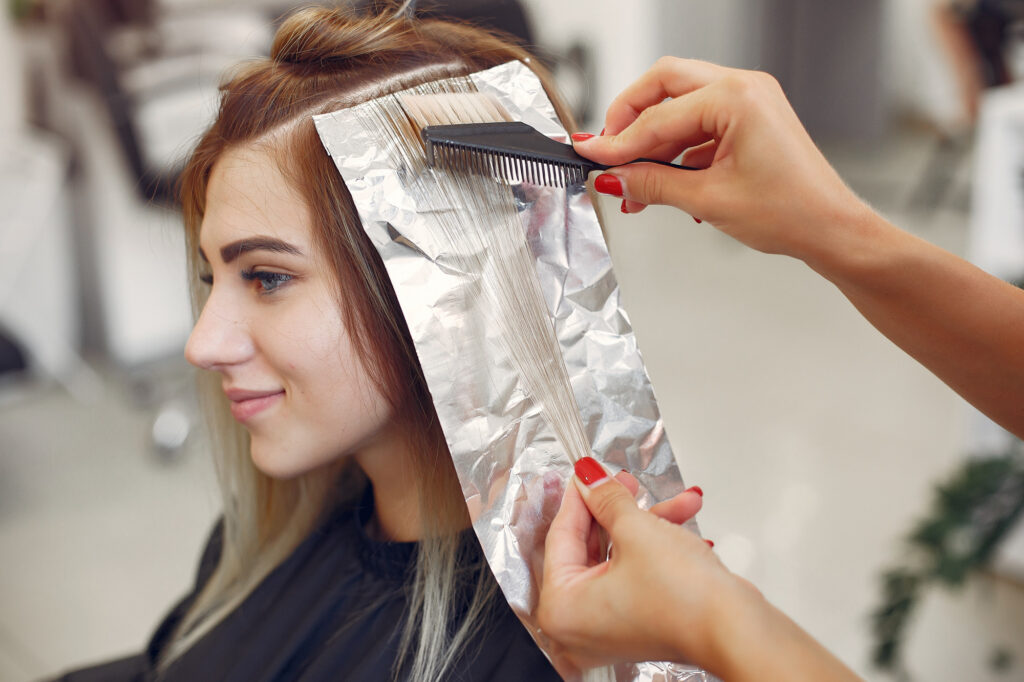
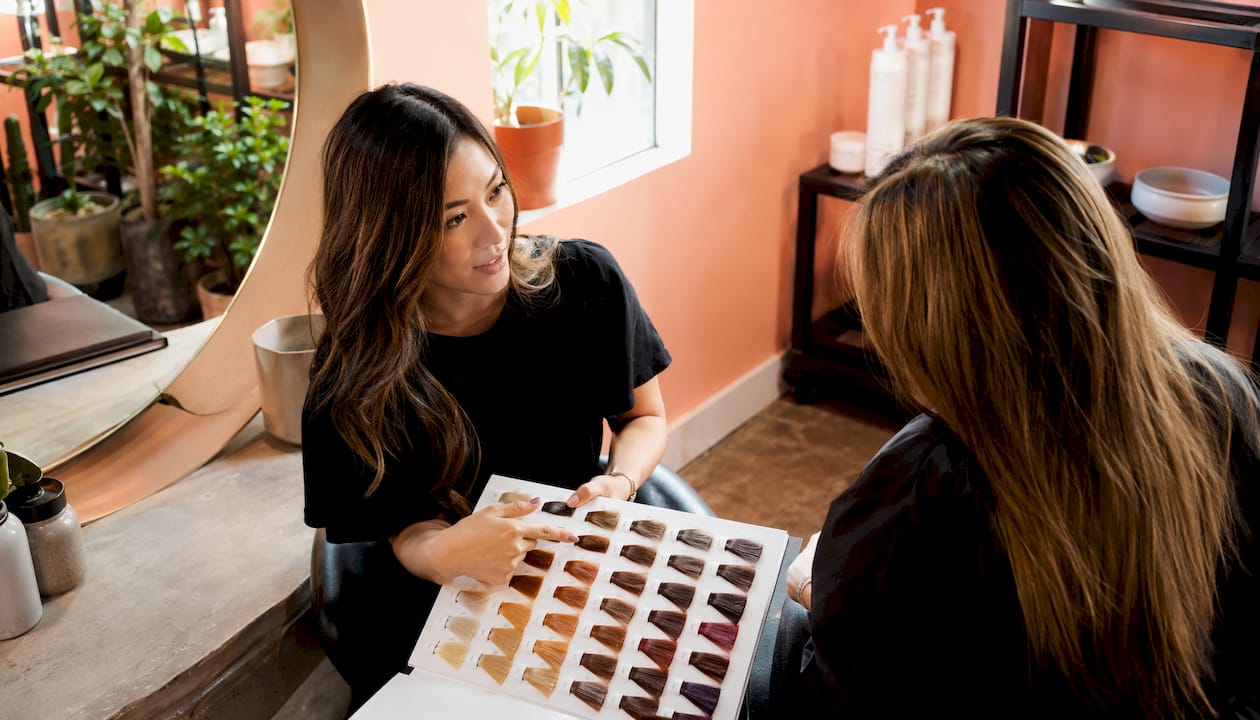
- Consultation and diagnosis: full hair history interview, visual inspection in natural light, porosity and elasticity checks, and strand tests for complex cases
- Pigment removal or targeted lifting: artificial color is stripped or lifted to a usable base — the gentlest method that achieves the target is chosen
- Filling (when needed): if you’re going darker after lightening, missing base pigment is added first; skipping this step risks dull, greenish results
- Custom toning or glazing: color-wheel opposites cancel unwanted tones (blue cancels orange, violet cancels yellow, ash cancels red)
- Bond-repair and conditioning: bond-building treatments are applied during and after chemical stages to reinforce the hair’s internal structure
- Final color application and seal: the target shade goes on a prepared, neutralized base for a clean, lasting result
Pro Tip: Bond-builders like Olaplex or K18 aren’t optional add-ons in complex corrections. They’re part of the safety protocol. If a salon doesn’t mention them, ask why.
How long does color correction take?
Time varies more than most clients expect. Single-session corrections commonly take several hours; a quick toner fix might wrap in under an hour, while severe cases requiring multiple chemical stages can run longer. Multi-session plans typically span multiple appointments.
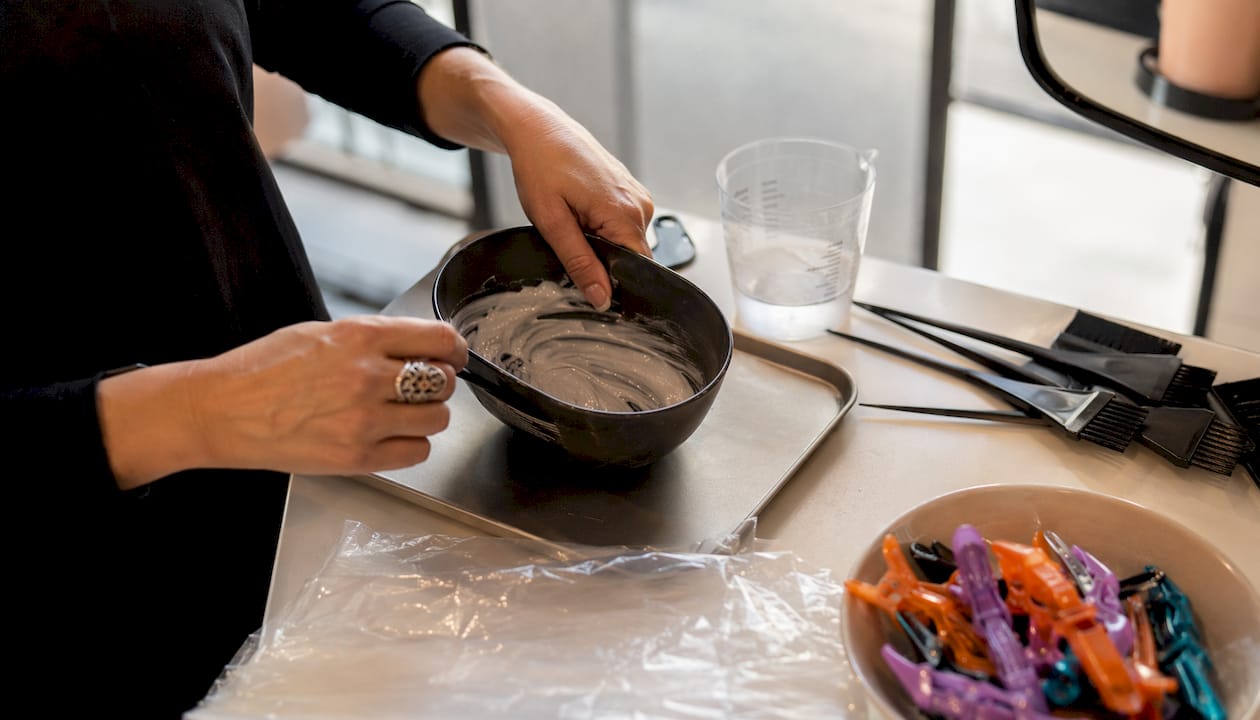
| Correction Type | Typical Duration | Sessions |
|---|---|---|
| Minor toner / gloss fix | short duration | 1 |
| Moderate single correction | several hours | 1 |
| Severe or complex correction | several hours per visit | multiple |
| Full dark-to-light reversal | several hours per visit | multiple |
Sessions in multi-appointment plans are usually spaced a few weeks apart. That gap isn’t scheduling convenience — it gives hair time to recover strength before the next chemical stage.
How salons price color correction services
Flat menu pricing is rare for corrective work. Salons typically quote after an in-person consultation because the variables are too wide: hair condition, chair time, number of sessions needed, and product costs all shift the final number.
Pricing drivers to expect:
- Hair condition and length: more product, more time
- Number of corrective stages: removal, filling, and toning each add cost
- Bond-building treatments: often charged separately or bundled into a package
- Follow-up appointments: multi-session plans may be quoted as a package or per visit
Sample starting points are sometimes published (e.g., $300 for a full single-session correction), but salons typically quote after an in-person consultation based on hair condition, chair time, sessions needed, and product costs.
How to prepare for your color correction appointment
Arriving prepared shortens the consultation and helps your stylist build an accurate plan faster.
- Bring photos: current hair (in natural light) and at least two target references
- Write out your full hair history: every box dye, salon service, henna, or chemical treatment for the past 2–3 years
- Note timing: when was your last chemical service? How long has the current color been on?
- Arrive with clean, dry hair unless the salon specifically asks otherwise
- Skip heavy conditioning treatments and silicone-heavy products in the 48 hours before your appointment — they coat the hair shaft and interfere with strand tests
- Set realistic time expectations: emergency color rescues often need longer consultations; don’t book a correction the day before an event
Choosing your target shade before the consultation also helps. Stylists can assess feasibility and flag whether your goal is achievable in one visit or requires a staged plan.
Aftercare that actually protects corrected color
The work doesn’t stop when you leave the salon chair.
- Follow the stylist’s wash timeline: if a glaze was applied, waiting 48–72 hours before shampooing helps it set
- Switch to a sulfate-free, color-safe shampoo immediately — sulfates strip artificial pigment fast
- Use weekly protein or moisture treatments as recommended based on your hair’s condition post-correction
- Apply UV and heat protection before sun exposure or hot tools; both fade corrected tone quickly
- Schedule touch-ups proactively: toners typically last 4–8 weeks; bond-repair follow-ups may be needed sooner
For ongoing brassy tone management, purple or blue shampoos used once or twice a week extend the life of a toner significantly.
What are the real risks, and how do professionals minimize them?
Color correction carries genuine risks. Over-processing, breakage, uneven lift, and unexpected tonal pulls from hidden pigments are all real outcomes when the work is rushed or under-diagnosed.
- Over-processing: too much lift in one session weakens the cortex, causing breakage or gummy texture
- Uneven lift: inconsistent porosity across the hair shaft produces patchy results even with even application
- Unexpected tonal pulls: box dye and henna leave pigment deposits that react unpredictably with bleach
- Scalp sensitivity: repeated chemical applications in a single session increase irritation risk
Reputable stylists mitigate these through strand tests before full application, staged lifting across multiple sessions, conservative developer volumes, and bond-building treatments at every chemical stage. A written multi-session plan is a safety document as much as a scheduling tool.
Pro Tip: Walk away from any stylist who promises a dramatic transformation in a single short session without running a strand test first. That’s not confidence — it’s a red flag.
Questions to ask at your color correction consultation
Use this checklist to assess whether a salon has the expertise your correction requires:
- Do you run strand tests before starting corrective work?
- What is your proposed step plan, and how many sessions do you expect?
- Which bond-building treatments will you use, and at which stages?
- Can you show before-and-after examples for corrections similar to mine?
- How is pricing structured — by consultation quote, hourly, or package?
- What’s included in the price (bond treatments, follow-up toners, product)?
- Will you provide a written plan and timeline before any chemistry is applied?
A stylist who answers these questions specifically and without hesitation is one who has done this work before. Vague answers or resistance to strand testing are warning signs worth taking seriously.
How professional stylists use color science to get it right
Color correction is applied color theory. The color wheel is the primary tool for neutralizing unwanted tones: blue cancels orange, violet cancels yellow, green cancels red. Stylists select toners and glazes based on which dominant tone needs to be cancelled, not just which shade looks close.
Filling is the step most DIY attempts skip. When going from light to dark, hair that has been bleached lacks the underlying warm pigment that makes dark shades look rich. Apply a dark color to an unfilled, bleached base and you get a flat, greenish result. Filling adds that missing pigment layer first, giving the final color something to grip.
“At Joel C Ma Hair Studio, every corrective consultation includes a full hair history review, strand testing, and a written session plan. With over 25 years of experience and a portfolio of before-and-after corrections, the studio approaches each case as a diagnostic challenge — not a standard appointment. Luxury corrective work in La Jolla means the result is worth the process.”
Color correction vs. starting over: which costs less?
The honest answer depends on how far off your current color is from your goal. Starting over with a new dye job sounds cheaper, but it usually means adding more pigment on top of a problem that hasn’t been solved — and that compounds the correction needed later.
A full corrective service costs more upfront, but it addresses the root cause: removing or neutralizing what’s wrong before building the new color. That foundation lasts longer and requires fewer corrective appointments down the line. Starting over without correction typically shortens the life of the new color and often leads to the same problem recurring within weeks.
The math shifts when the correction is minor. A simple toner to address mild brassiness costs far less than a full corrective service, and in that case, a targeted fix is the smarter spend. The consultation is where a stylist tells you which category your hair falls into.
Signs a color correction went wrong
Some problems are obvious immediately; others show up over the following days. Watch for:
- Severe breakage or snapping when combing — a sign of over-processing during the correction
- Gummy or stretchy texture when wet, indicating compromised hair structure
- Uneven or patchy color that wasn’t present before the appointment
- Unexpected tonal shift (green, orange, or muddy tones) that the stylist didn’t flag as a planned stage
- Scalp burns or persistent irritation after chemical application
Any of these warrants an immediate call to the salon. A reputable studio will schedule a follow-up assessment at no charge. If the salon is unresponsive, seek a second opinion from a corrective specialist before applying any additional product at home.
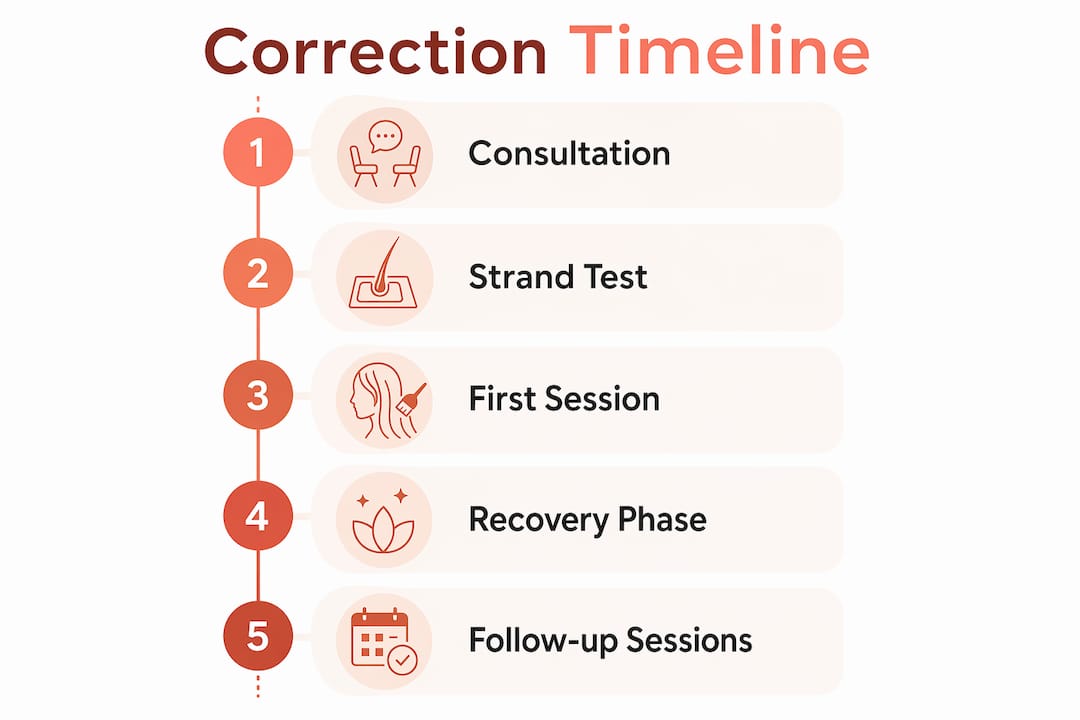
What’s the full timeline from consultation to final result?
For a moderate correction, the realistic timeline looks like this:
Week 1: Consultation, strand test, written plan, and first corrective session (3–6 hours).
Weeks 2–6: Hair recovery period. Bond-repair treatments at home, no additional chemical services.
Week 6–8: Second session if needed — toning, filling, or final color application.
Ongoing: Toner touch-ups every 4–8 weeks; sulfate-free maintenance at home.
Complex corrections — dark box dye removal, henna reversal, severe overlift — can extend this to 3–4 sessions over 3–4 months. That timeline isn’t a failure; it’s the safe route. Rushing it compresses recovery time and increases the risk of breakage at every stage.
Key Takeaways
Professional hair color correction is a staged, diagnostic process — not a single-appointment fix — and the best outcomes come from stylists who strand-test, use bond-builders, and provide a written session plan before touching your hair.
| Point | Details |
|---|---|
| Consultation drives everything | Expect a full hair history review, strand test, and written plan before any chemistry is applied. |
| Time varies widely | Quick toner fixes wrap in 30–45 minutes; single-session corrections commonly take 3–6 hours, while severe cases can require 2–4 sessions spread over weeks. |
| Pricing is not flat | Salons quote after consultation; sample starting points begin around $300 for full single-session corrections. |
| Aftercare extends results | Sulfate-free shampoo, weekly treatments, and UV protection preserve corrected color between appointments. |
| Joelcma for La Jolla clients | Joel C Ma Hair Studio offers consultation-first corrective services with 25+ years of founder experience and a before-and-after portfolio. |
The part most guides won’t tell you about color correction
The biggest gap between what clients expect and what actually happens in a color correction salon isn’t about technique — it’s about time. Most people book a correction hoping to walk out with their dream color the same day. Stylists know that the sessions where that’s possible are the minority.
What separates a good corrective specialist from a great one isn’t just skill with a color wheel. It’s the willingness to say “not today” when the strand test shows the hair can’t handle another lift. That conversation is uncomfortable, but it’s the one that keeps your hair on your head. A stylist who stages the work across sessions isn’t being cautious to the point of uselessness — they’re protecting the result you actually want.
The other thing worth saying: the consultation fee, when salons charge one, is money well spent. It’s the appointment where you find out whether your goal is achievable, how long it will take, and what it will cost. Skipping it to save $50 and going straight to a chemical service is how corrections become disasters.
Joel C Ma Hair Studio: book your corrective consultation
If you’re dealing with a color problem that a toner won’t fix, Joel C Ma Hair Studio in La Jolla offers the kind of corrective work that starts with a real diagnosis. The studio’s approach: consultation first, written plan second, chemistry third. Founder Joel C Ma brings over 25 years of experience to complex corrective cases, with a portfolio of before-and-after results that reflects the studio’s commitment to hair integrity over speed.
Every corrective client gets a staged plan, transparent pricing, and bond-repair protocols built into the process. Whether your issue is box-dye reversal, severe brassiness, or a failed bleach, the studio maps a realistic route to your target color without compromising your hair’s health. For clients who want to see what’s possible before committing, the luxury hair treatment workflow page shows how the studio structures corrective and restorative services from start to finish. Book your consultation at joelcma.com and bring your photos and full hair history.
Further reading and resources
- Joel C Ma Hair Studio — corrective services and booking
- Hair Color Correction 101: What You Need to Know — Joel C Ma Hair Studio
- Luxury Hair Color Corrections in La Jolla — portfolio and case studies
- Color correction: professional protocol — Blendsor
- From consultation to correction — Modern Salon
- Color correction best practices — Wella Professional
- Hair colour correction explained — John Frieda
- How long does color correction take? — MangoBeauty