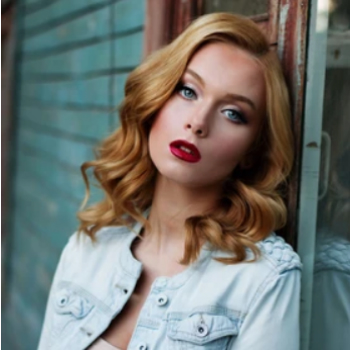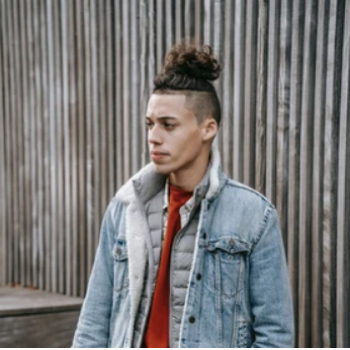

Role of Skilled Hair Artists – Impact on Personal Style

Choosing a new look can feel intensely personal when your hair is a key symbol of self-expression. For women in La Jolla who value style and individuality, trusting a skilled hair artist means finding someone who combines technical mastery with a real understanding of your vision. The right artist shapes not just your hairstyle but also your confidence, offering artistry that highlights your unique identity with every detail.
Table of Contents
- Defining The Hair Artist’s Unique Role
- Key Skills And Creative Techniques Used
- Types Of Hair Services And Specializations
- Qualifications, Training, And Licensing Needed
- Client Consultation And Personalization Process
- Professional Standards, Safety, And Salon Etiquette
Key Takeaways
| Point | Details |
|---|---|
| Understanding the Role of Hair Artists | Hair artists blend technical skill with personal understanding, creating tailored experiences that foster client trust and confidence. |
| Importance of Consultation | Effective consultations involve detailed discussions about client needs and preferences, ensuring personalized and realistic outcomes. |
| Specializations Matter | Different hair artist specializations, such as color or texture experts, cater to unique client needs, enhancing the overall service quality. |
| Commitment to Continuous Education | Ongoing training and education help hair artists stay current with techniques and trends, ensuring high-quality services for clients. |
Defining the Hair Artist’s Unique Role
A skilled hair artist is far more than someone who cuts and colors hair. They are creative professionals who blend technical mastery with an understanding of personal identity and self-expression. What sets them apart is their ability to translate what you envision into reality through consultation, expertise, and artistic vision.
The work of a hair artist involves interactive negotiation with clients, building trust through conversation and connection. They listen to your lifestyle, preferences, and concerns before picking up scissors or applying color. This dialogue is essential because hair is deeply personal. It frames your face, influences how others perceive you, and contributes significantly to how you see yourself.
Beyond technical skill, hair artists function as both creative visionaries and trusted advisors. They must understand color theory, cutting geometry, texture analysis, and styling techniques. But they also need intuition about what works for your specific features, hair type, and personality. This combination of hard skills and soft intuition separates an average stylist from a truly skilled hair artist.
Building loyal client relationships is another critical part of their role. The best hair artists remember your preferences, understand what you’ve tried before, and anticipate what might work next. They provide emotional support during consultations, celebrate your confidence after transformation, and offer honest guidance when a particular direction might not suit you.
They also cultivate an atmosphere where you feel comfortable being vulnerable about your appearance. Hair can be tied to self-esteem, so the emotional dimension of a hair artist’s work matters just as much as their technical abilities. They create an experience that goes beyond the appointment itself, making you feel understood and valued.
Pro tip: When meeting a new hair artist, pay attention to how they listen during your consultation. A skilled artist asks clarifying questions, shows genuine interest in understanding your vision, and explains their approach before executing it.
Key Skills and Creative Techniques Used
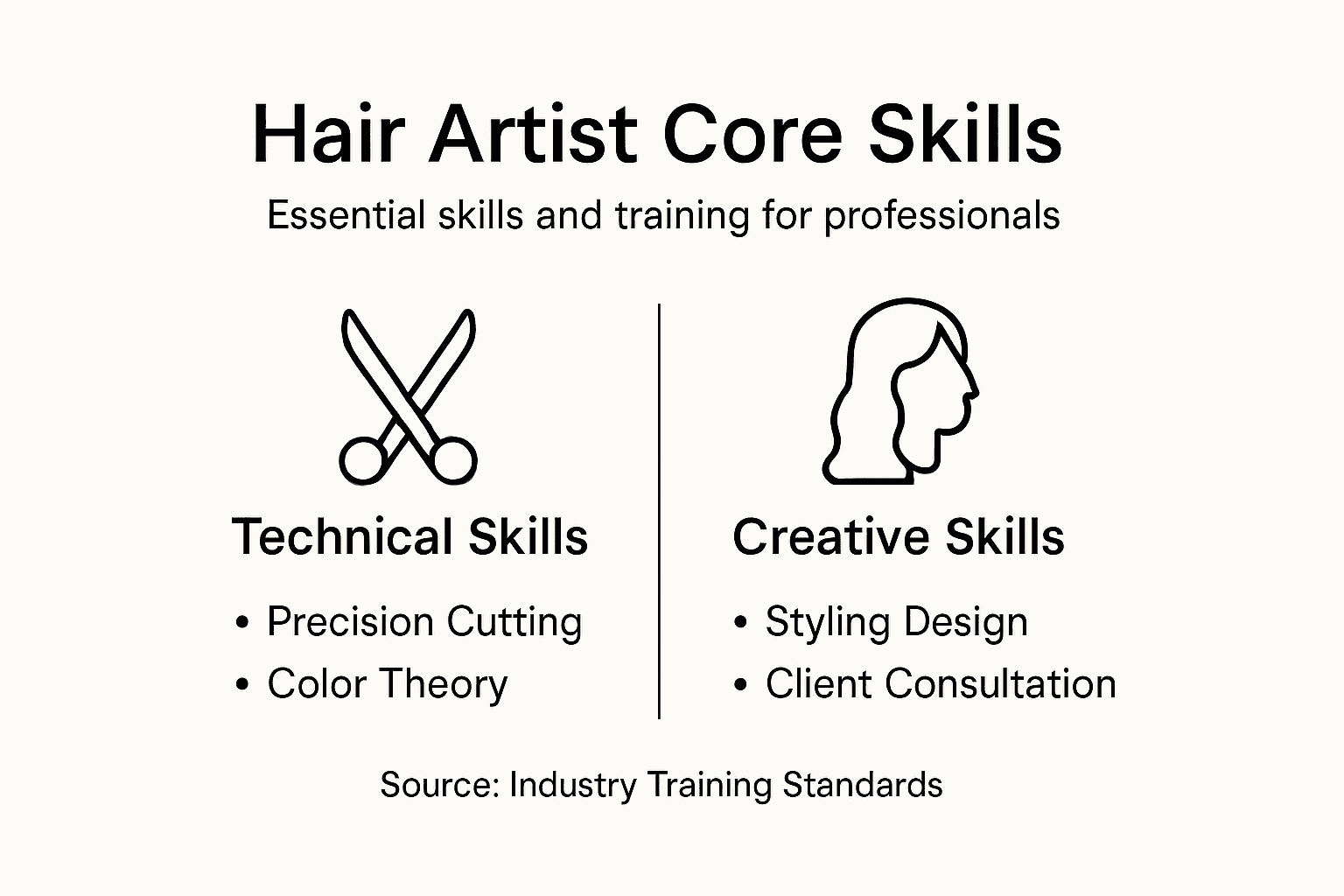
Skilled hair artists combine technical precision with creative vision to achieve results that go far beyond basic haircutting. They master foundational techniques while continuously pushing boundaries to create personalized styles that enhance your unique features and lifestyle.
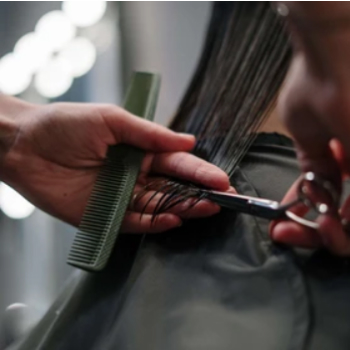
Precision cutting forms the foundation of everything a hair artist does. Understanding hair growth patterns and texture allows them to cut at angles that work with your natural hair, not against it. They assess your face shape, bone structure, and features to determine which cuts will flatter you most. This isn’t guesswork. It’s applied geometry and anatomy.
Layering and texturizing techniques add dimension and movement to your hair. A skilled artist uses these methods to create volume where you need it, remove bulk from thick hair, or add shape to fine hair. Each technique serves a purpose tied directly to your individual hair type and styling preferences. The goal is creating a cut that works for your daily routine, not one that requires salon-quality styling every single morning.
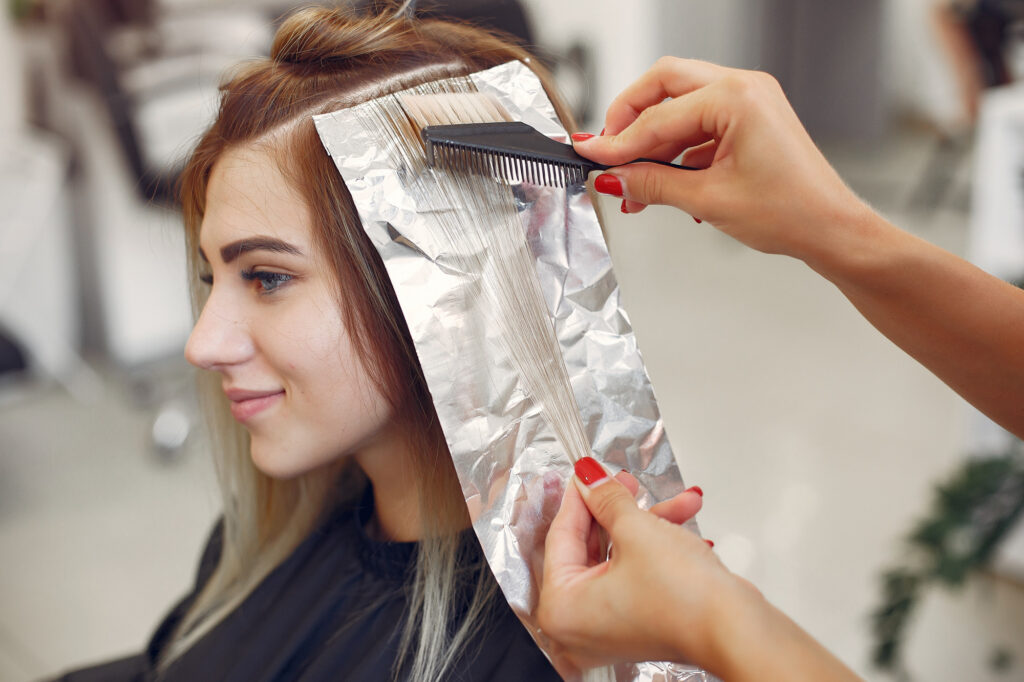
Color artistry requires equal technical mastery. Balancing creativity with technique means understanding color theory, undertones, and how different shades interact with skin tone and natural hair pigment. Balayage, highlights, and custom color blending are advanced techniques that transform your appearance while maintaining hair health.
Styling techniques bring the cut and color together. A talented artist knows how to dry and style your hair to showcase their work, then teaches you how to replicate that at home. They understand products, tools, and techniques that suit your hair type and daily lifestyle.
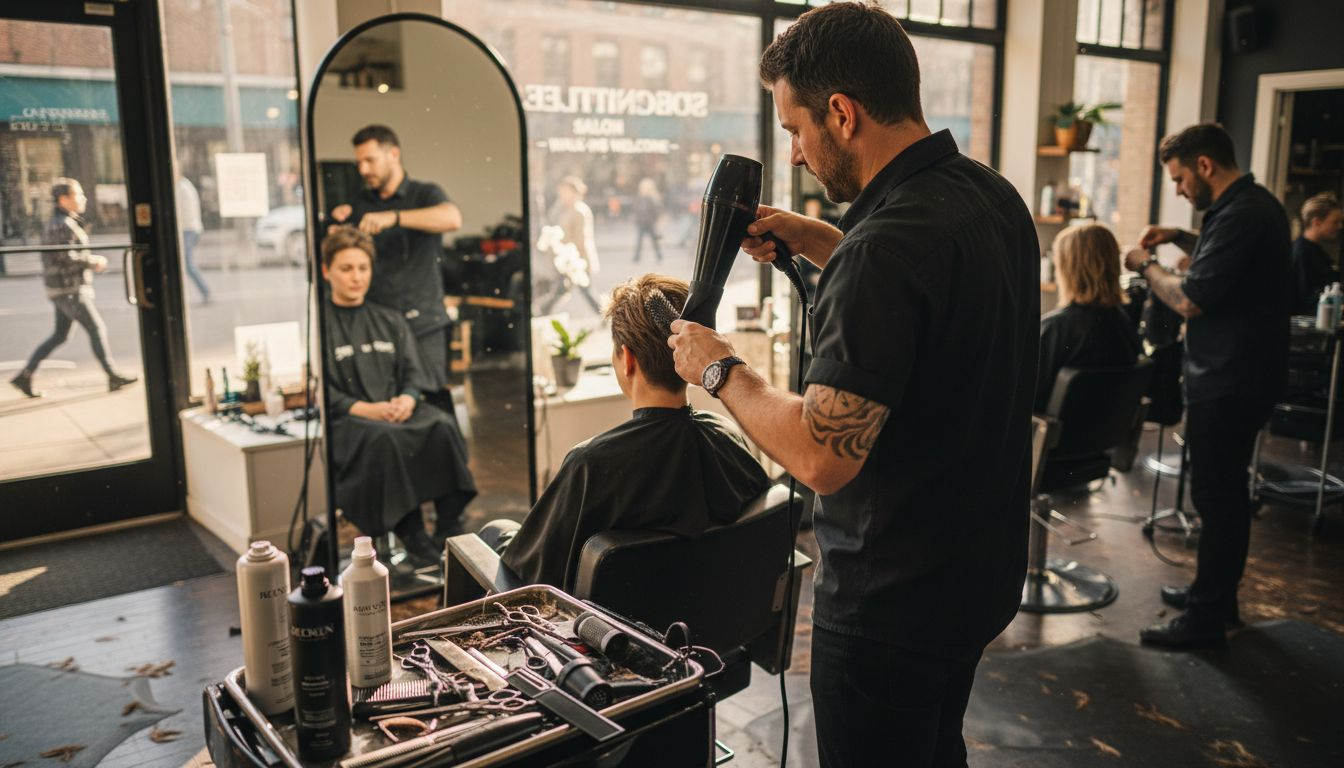
Continuous education separates exceptional artists from the rest. They attend advanced training, experiment with new techniques, and stay current with evolving trends while maintaining timeless fundamentals.
Pro tip: Ask your hair artist which techniques they’re using during your appointment and why they’ve chosen them specifically for your hair and goals—this reveals their level of expertise and intentionality.
Types of Hair Services and Specializations
Hair artists don’t offer one-size-fits-all solutions. The hairdressing profession offers diverse specializations that cater to specific client needs, hair types, and personal goals. Understanding these specializations helps you find the right artist for your particular situation.
Color specialists focus exclusively on hair color work. They master the chemistry of bleaching, toning, and pigment placement to create custom shades. These artists understand undertones, skin depth, and how color interacts with different hair textures. Whether you want a subtle balayage, bold fashion color, or color correction after a previous salon experience, a color specialist has the focused expertise to get it right.
Bridal hair stylists specialize in creating styles that withstand emotions, movement, and hours of celebration. They understand how to build updos that last through dancing and hugging, how to incorporate accessories, and how to make your hair feel like part of your wedding vision. This specialization requires both technical skill and an understanding of the unique pressure and excitement of bridal moments.
Textured hair experts work with curly, coily, and kinky hair patterns. They understand how these textures behave differently from straight hair, what products work best, and how to cut and style to enhance natural texture. This specialization is crucial because textured hair requires different techniques and knowledge than techniques developed for straighter hair types.
Hair treatment specialists focus on services like keratin treatments, deep conditioning, and scalp therapy. They address damage, health, and maintenance, helping restore compromised hair. Extensions specialists master application techniques for seamless, long-lasting results. Each specialization reflects diverse expertise tailored to client preferences and hair characteristics.
The best salons employ artists with varied specializations, allowing you to find exactly what you need. Some artists develop multiple specializations, while others focus deeply on one area.
Here’s a quick summary of top hair artist specializations and what they uniquely offer:
| Specialization | Focus Area | Unique Benefit |
|---|---|---|
| Color Specialist | Custom color and correction | Creates personalized, healthy shades |
| Bridal Hair Stylist | Long-lasting updos and event styles | Ensures styles last all day |
| Textured Hair Expert | Curly, coily, or kinky hair | Maximizes natural texture health |
| Treatment Specialist | Repair, scalp, or extensions | Restores hair and offers enhancements |
Pro tip: When booking, ask about your artist’s specific specialization and experience with your hair type or desired service—this ensures you get matched with someone who has genuine expertise in your needs.
Qualifications, Training, and Licensing Needed
Becoming a skilled hair artist isn’t something that happens overnight. It requires formal education, hands-on training, and professional licensing to ensure you’re working with someone who has met established industry standards. Understanding these requirements helps you recognize true expertise.
Most hair artists start with a high school diploma or equivalent, then pursue vocational training at a cosmetology school. These programs typically run 1000 to 2000 hours depending on your location and specialization. You’ll learn cutting techniques, color theory, chemical safety, sanitation protocols, and styling methods through both classroom instruction and supervised practice.
Formal education in cosmetology schools covers cutting, coloring, styling, and treatment applications. Students work on mannequins first, then progress to real clients under instructor supervision. This progression ensures artists develop competency before working independently on your hair.
Licensure is where training meets accountability. After completing your cosmetology program, you must pass a licensing exam that tests your knowledge of hair care, safety protocols, and practical skills. This exam ensures everyone in the field meets baseline professional standards. Requirements vary by state, but all require documented training hours and exam passage.
Professional standards mandate exams covering both theoretical knowledge and hands-on ability. You might be tested on color mixing, cutting angles, sanitation, product knowledge, and safety procedures. This isn’t busywork. These standards exist to protect your health and ensure quality results.
Continuous education matters too. The best artists don’t stop learning after licensure. They attend advanced workshops, study new techniques, and stay current with product innovations and safety protocols. A 25-year veteran like Joel C Ma demonstrates commitment through decades of staying current with evolving standards.
Pro tip: Ask any prospective hair artist about their training background and continuing education—reputable artists are proud to discuss their qualifications and recent advanced certifications.
Client Consultation and Personalization Process
The consultation is where great hair begins. Before any scissors touch your hair or color is applied, a skilled hair artist spends time understanding your vision, assessing your hair, and discussing what’s realistic. This process transforms a generic appointment into a personalized experience tailored specifically to you.
During consultation, your artist asks detailed questions about your lifestyle, maintenance preferences, and hair history. Do you style your hair daily or prefer wash-and-go simplicity? Have you had color before, and how did your hair respond? What have you loved or disliked about previous cuts? These conversations matter because they inform decisions that go far beyond aesthetics.
Assessing hair type and health is critical for personalization. Your artist examines texture, density, porosity, and any previous damage. Fine hair behaves differently than thick hair. Previously colored hair requires different treatment than virgin hair. Scalp health affects what services are safe. This assessment ensures recommendations align with what your hair can actually handle.
Visual communication prevents misunderstandings. Most skilled artists use reference photos, color swatches, or style examples to ensure you’re on the same page before service begins. You might describe a style as “beachy waves” while your artist envisions something entirely different. Visual aids eliminate this confusion and build confidence in the plan.
Active listening and realistic expectations keep consultations grounded. A professional artist gently steers you toward options that suit your hair, face shape, and lifestyle. If you want a dramatically shorter cut but have minimal styling time, they discuss whether that works for you. If you desire a platinum blonde but have thick, dark hair, they explain the process honestly.
This isn’t about discouraging your vision. It’s about creating achievable results that make you feel confident and beautiful. Personalization means finding the best version of what you want, not settling for less.
Compare the main steps involved in a professional salon consultation process:
| Step | Purpose | Result |
|---|---|---|
| Q&A Session | Learn about your habits and style | Service fits your lifestyle |
| Hair Assessment | Analyze texture, health, history | Realistic recommendations made |
| Visual Aids | Align on style and color vision | Reduces miscommunication |
| Goal Setting | Balance desires and feasibility | Attainable plan for your hair |
Pro tip: Bring reference photos to your consultation, but also be prepared to discuss your daily routine and styling commitment—this gives your artist the full picture needed for personalization.
Professional Standards, Safety, and Salon Etiquette
Walking into a professional salon means entering an environment governed by strict standards. These standards protect your health, ensure quality results, and create the respectful atmosphere that defines a luxury experience. Understanding what to expect helps you recognize true professionalism.
Safety protocols are non-negotiable. Hair artists work with chemicals daily, from color developers to relaxers to permanent waves. Occupational health and safety standards mandate proper ventilation, protective equipment, and training in chemical handling. Professional salons maintain clean, organized workspaces and follow strict sanitation procedures between clients. Tools are sterilized, stations are sanitized, and products are stored properly. These aren’t suggestions. They’re legal requirements that protect you and the artist.
Ergonomic practices matter too. Hair artists spend hours standing and working with precision. Proper posture, body mechanics, and workspace setup prevent long-term injury. A professional salon invests in quality chairs, proper lighting, and workstation design that reduces strain on both artist and client.
Salon etiquette reflects professionalism and respect. This includes punctuality, both from you and your artist. It means respecting privacy and maintaining confidentiality about what clients discuss during appointments. A skilled artist listens without judgment, manages time professionally, and communicates clearly about pricing, timing, and expectations.
Professional boundaries matter. Your artist treats every client with equal respect and attention. They handle conflicts or concerns gracefully, take responsibility for mistakes, and work toward solutions rather than excuses. They maintain appropriate professional relationships while creating a warm, welcoming environment.
Clean workspace standards extend beyond sanitation. A professional salon feels organized, calm, and thoughtfully designed. From the waiting area to the styling station, every detail communicates competence and care. This attention to environment is part of what elevates a salon experience from functional to exceptional.
Pro tip: Notice how a salon treats you during booking and waiting—punctuality, communication clarity, and attention to your comfort reveal how seriously they take professional standards throughout your entire appointment.
Discover the True Impact of Skilled Hair Artists on Your Personal Style
Understanding the unique role of a skilled hair artist means recognizing the importance of personalized consultations, expert cutting and coloring techniques, and the value of professional trust in your hair transformation journey. If you are seeking a creative partner who listens closely to your lifestyle habits and style goals while applying advanced artistry such as balayage or textured hair expertise, Joel C Ma Hair Studio offers precisely that elevated experience. Our seasoned team blends technical mastery with emotional insight to create looks that not only look stunning but also feel authentic and manageable for your daily life.

Ready to embrace a hairstyle designed uniquely for you backed by over 25 years of professional artistry and a commitment to safety and personalized care Explore our full range of services and see why clients trust us with their most important style moments by visiting our Uncategorized Archives – Joel C Ma Hair Studio. Take the first step toward a confident new you with a consultation from experts who truly understand the art and science of hair. Book your appointment today at Joel C Ma Hair Studio to experience the tailored transformation your hair deserves.
Frequently Asked Questions
What is the role of a skilled hair artist?
A skilled hair artist not only cuts and colors hair but also understands personal identity and self-expression, creating a personalized experience through consultation and artistic vision.
How do hair artists build trust with their clients?
Hair artists build trust through interactive conversations during consultations, listening to clients’ preferences, concerns, and lifestyle to ensure the best results.
What techniques do hair artists use to enhance personal style?
Hair artists combine precision cutting, layering, texturizing, and color artistry to create styles that complement individual features and fit the client’s daily routine.
Why is ongoing education important for hair artists?
Continuous education allows hair artists to stay current with new techniques, trends, and product innovations, ensuring they provide the highest quality services to their clients.
Recommended
- Role of a Hair Artist: Elevating Personal Expression – Joel C Ma Hair Studio
- Artistry in Hairstyling: Transforming Personal Style – Joel C Ma Hair Studio
- Role of a Hair Artist: Elevating Personal Expression – Joel C Ma Hair Studio
- Inspiring Hair Artistry Ideas for Your Next Look
- Hair Specialist: Personalized Solutions for Hair Loss | MyHair