
What Is Balayage and Why It Transforms Hair Color
Bold trends come and go, but balayage has captured the imagination of American salons in a way few techniques ever have. Nearly 80 percent of American clients now request customized hair color, turning this low-maintenance method into a modern staple. Understanding the artistry behind balayage makes all the difference when seeking dimensional, natural results. Dispelling common myths can help you discover how this technique works on every hair color and how to achieve gorgeous, sun-kissed highlights tailored to your unique style.
Table of Contents
- Balayage Basics and Common Misconceptions
- Types of Balayage Techniques Explained
- How the Balayage Process Works in Salons
- Key Benefits of Choosing Balayage Color
- Comparing Balayage to Traditional Hair Foils
Key Takeaways
| Point | Details |
|---|---|
| Balayage Technique | Balayage offers a personalized hair coloring method that creates natural, sun-kissed highlights through freehand painting. |
| Versatility | This technique is customizable for any hair color and texture, providing stunning results for blondes, brunettes, reds, and more. |
| Low Maintenance | Balayage highlights grow out seamlessly, requiring fewer touch-ups compared to traditional foil highlights, making it ideal for low-maintenance styles. |
| Artistic Advantages | The hand-painted approach allows for creative expression and dimensional effects that traditional methods cannot achieve. |
Balayage Basics and Common Misconceptions
Balayage represents a revolutionary hair coloring technique that transforms traditional highlighting methods. Hand-painted color application allows stylists to create natural, dimensional results that mimic the way sunlight naturally lightens hair. Unlike traditional foil techniques, balayage offers a more artistic and personalized approach to hair color.
The core difference between balayage and traditional highlights lies in the application method. Stylists use freehand painting techniques to strategically place color, creating soft, blended transitions that look inherently natural. This technique allows for seamless grow-out and less noticeable root lines, making it an ideal choice for clients seeking low-maintenance hair color.
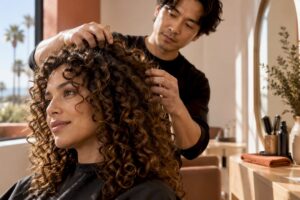
Common misconceptions about balayage often prevent people from exploring this versatile technique. Many believe balayage works only for blonde hair, but the truth is far more exciting. Skilled colorists can create stunning balayage effects on virtually any hair color – from rich brunettes to vibrant reds and even dark black hair. The technique adapts to individual hair texture, skin tone, and personal style, making it a truly customizable coloring approach.
Pro Hair Transformation Tip: Consult with a professional colorist who specializes in balayage to understand how this technique can uniquely enhance your natural hair color and create dimensional, sun-kissed results tailored specifically to your individual style and features.
Types of Balayage Techniques Explained
Balayage is not a one-size-fits-all technique, but a versatile approach with multiple stunning variations. Creative balayage techniques offer diverse color transformation options, allowing stylists to customize hair color with incredible precision and artistry. Each technique provides a unique way to add dimension, depth, and personal expression to hair color.
Some of the most popular balayage variations include color melting, a technique that seamlessly blends multiple shades to create a gradient effect. Reverse balayage takes an innovative approach by darkening the roots to add depth and complexity to the overall color. Another interesting method is foilayage, which combines traditional foil highlighting with balayage painting techniques to achieve more pronounced and intense color transitions.
Different balayage styles like ombre and sombre offer graduated color effects that range from dramatic to subtle. Ombre creates a bold transition from dark roots to lighter ends, while sombre provides a softer, more nuanced color shift. For those seeking an ultra-natural look, babylights represent a delicate technique involving extremely fine highlights that mimic the subtle, sun-kissed effect of natural hair lightening.
Pro Hair Color Tip: Always consult with a professional colorist who can assess your hair type, skin tone, and personal style to recommend the most flattering balayage technique that will enhance your natural beauty and achieve your desired aesthetic transformation.
Here’s how popular balayage techniques differ by effect and ideal use:
| Technique | Effect Created | Best For |
|---|---|---|
| Color Melting | Smooth gradient transitions | Multi-dimensional looks |
| Reverse Balayage | Adds depth to roots | Enhancing root contrast |
| Foilayage | Intense color transitions | Dramatic color changes |
| Ombre | Bold dark-to-light flow | Noticeable color shift |
| Sombre | Subtle, soft color shift | Natural blended tones |
| Babylights | Ultra-fine sun-kissed effect | Delicate, soft highlights |
How the Balayage Process Works in Salons
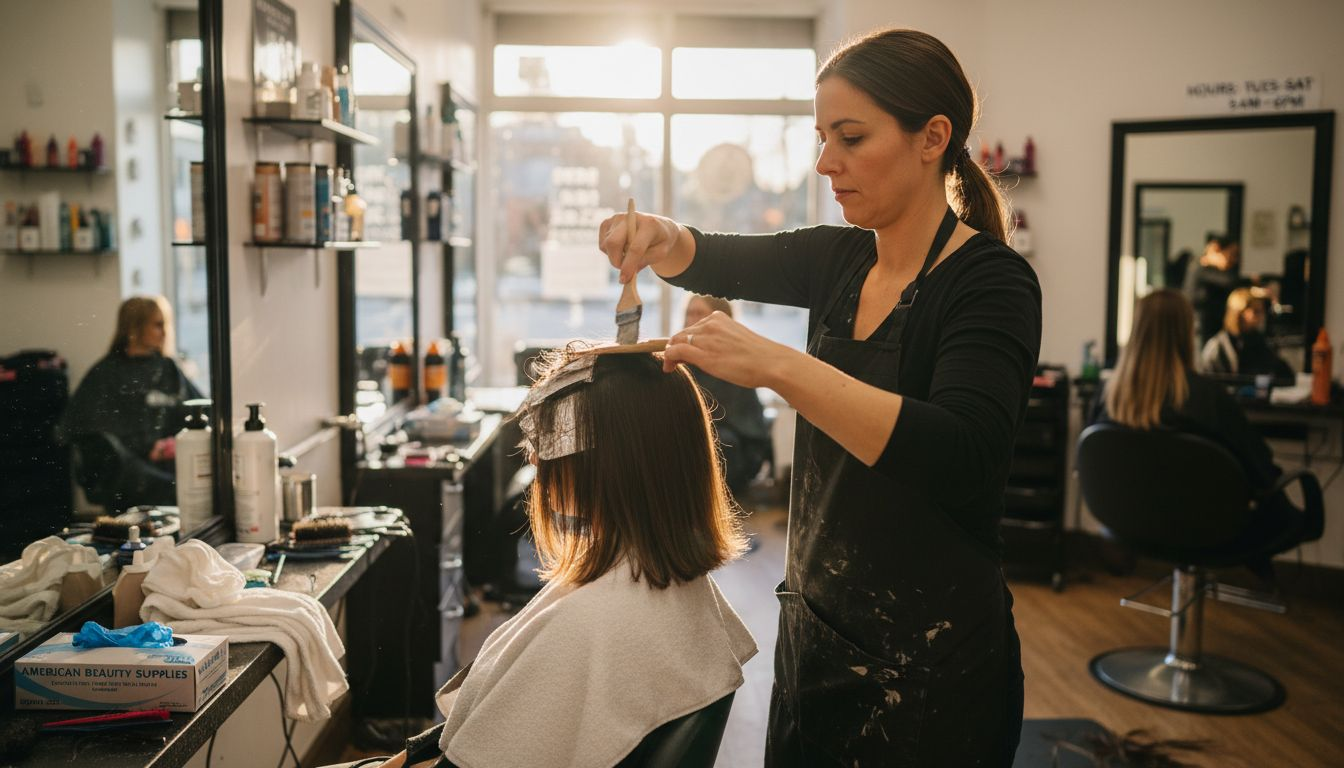
Professional colorists employ a precise, artistic approach when creating balayage highlights, transforming hair color through a meticulous hand-painting technique. Unlike traditional foil highlighting methods, balayage allows for incredible customization and natural-looking results. Stylists carefully select sections of hair, strategically applying color to mimic the way natural sunlight naturally illuminates and brightens hair.

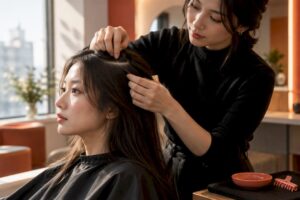
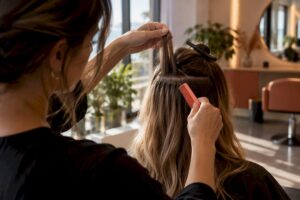
The balayage process begins with a thorough consultation where the stylist evaluates hair texture, natural color, and the client’s desired outcome. They then section the hair methodically, using specialized brushes to apply lightener or color with sweeping, feathered strokes. Each application is carefully mapped to create dimensional color that enhances the hair’s natural movement, focusing on areas where sunlight would naturally create subtle highlights.
Technical precision is crucial in balayage. Stylists must understand color theory, hair texture, and how different pigments interact to create seamless, natural-looking results. The technique requires free-hand painting without foils, which allows the color to develop more softly and creates a more blended, graduated effect. This approach ensures that the highlights look like they’ve been naturally kissed by the sun, avoiding harsh lines or uniform color that can appear artificial.
Pro Styling Tip: Bring reference photos to your consultation and discuss your hair’s natural undertones, lifestyle, and maintenance preferences to help your stylist create the most flattering and personalized balayage transformation possible.
Key Benefits of Choosing Balayage Color
Balayage offers a revolutionary approach to hair coloring that transforms traditional highlighting techniques. Unlike conventional methods, this innovative technique provides unparalleled customization and natural-looking results that seamlessly enhance individual hair characteristics. The artful application creates dimension and depth that traditional foil highlights simply cannot achieve.
The most significant advantages of balayage extend far beyond aesthetic appeal. This technique creates a remarkably low-maintenance color solution that adapts to individual hair types and personal styles, allowing clients to enjoy stunning color with minimal salon upkeep. The hand-painted highlights grow out gracefully, eliminating the stark contrast and obvious root lines associated with traditional highlighting methods. This means fewer touch-ups, reduced styling time, and a consistently natural appearance that looks effortlessly chic.
Balayage’s versatility is another compelling benefit. The technique works beautifully across various hair colors, textures, and lengths – from rich brunettes to platinum blondes, and from pixie cuts to long, flowing locks. By strategically placing highlights to mimic natural sunlight, balayage creates a multidimensional effect that adds movement, depth, and a luminous quality to the hair. This personalized approach ensures that each balayage treatment is as unique as the individual receiving it, providing a truly customized color experience.
Pro Styling Tip: Communicate openly with your stylist about your lifestyle, maintenance preferences, and desired aesthetic to ensure your balayage creates the most flattering and personalized color transformation possible.
Comparing Balayage to Traditional Hair Foils
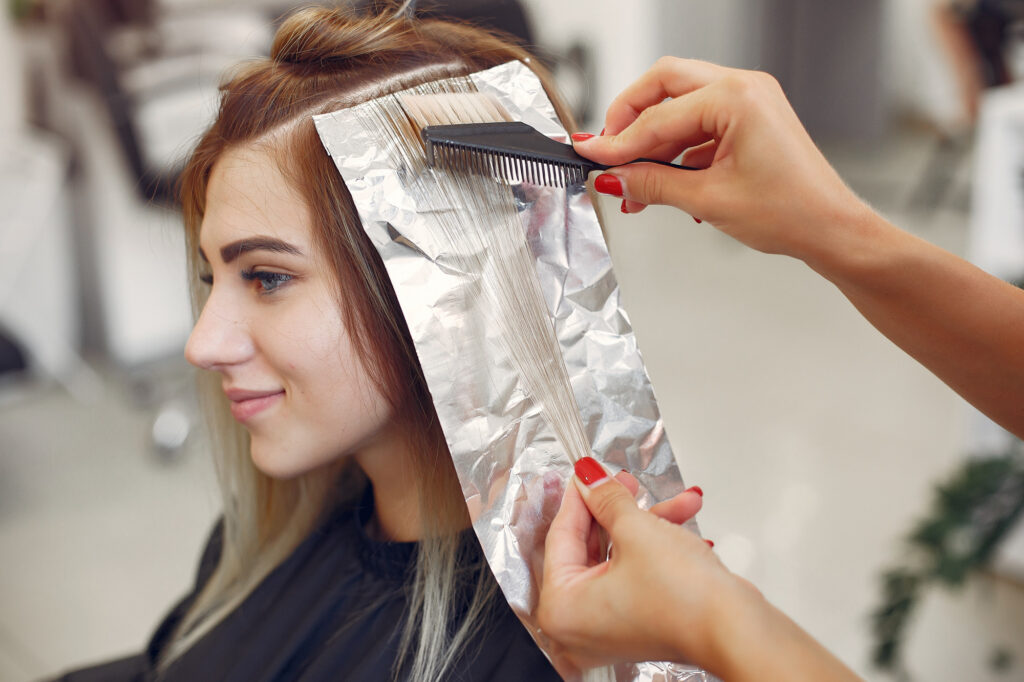
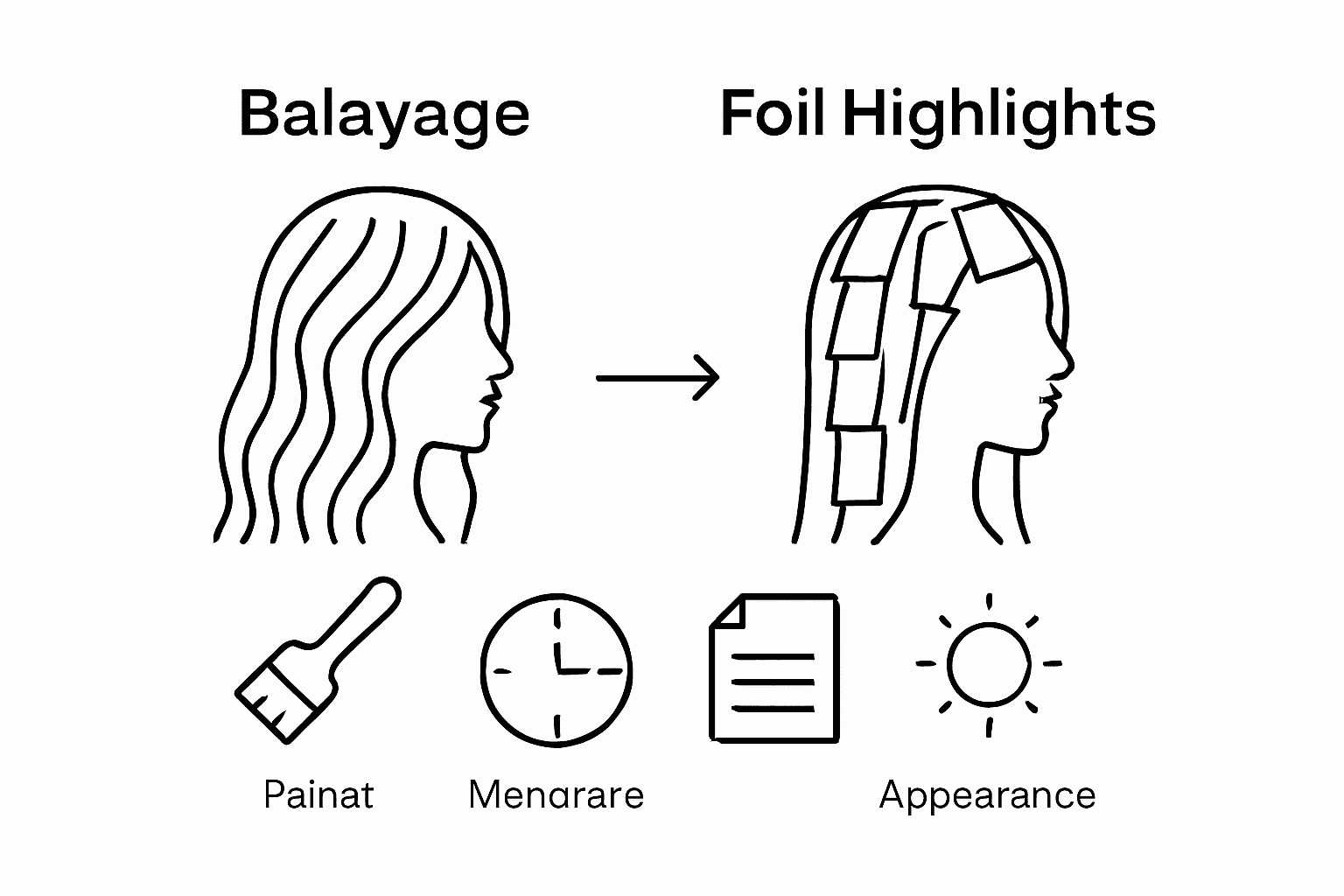
Traditional foil highlights represent an older, more structured approach to hair coloring, characterized by uniform sections and precise color placement. These techniques involve sectioning hair and wrapping individual strands in aluminum foils to intensify and isolate color processing. In contrast, balayage emerges as a more artistic, freeform method that breaks away from these rigid traditional constraints.
The fundamental difference lies in application technique and visual outcome. Balayage introduces a softer, more personalized approach to hair color placement, allowing stylists to create a natural, sun-kissed effect that traditional foils cannot replicate. Where foil highlights produce uniform, linear color sections, balayage mimics the random, multidimensional way sunlight naturally illuminates hair. This technique enables colorists to strategically paint highlights that complement an individual’s hair texture, growth pattern, and facial features.
From a maintenance perspective, balayage offers significant advantages over traditional foil highlights. The hand-painted technique creates a more gradual, blended color transition that grows out more gracefully, reducing the frequency of salon touch-ups. Traditional foil highlights create stark, visible root lines that require more frequent maintenance, whereas balayage’s soft, diffused approach allows for longer intervals between color treatments. This makes balayage not just an aesthetic choice, but a practical one for clients seeking a more effortless and time-efficient hair color solution.
Pro Styling Tip: Request a comprehensive consultation with your stylist to determine whether balayage or traditional foil highlights best suit your hair type, lifestyle, and personal aesthetic goals.
This table summarizes key benefits of choosing balayage over traditional foil highlights:
| Benefit | Balayage Highlights | Traditional Foil Highlights |
|---|---|---|
| Maintenance Frequency | Less frequent touch-ups | Requires regular root maintenance |
| Final Look | Natural, sun-kissed effect | Uniform, structured color sections |
| Grow-Out Appearance | Soft, blended transition | Noticeable root lines |
| Customization Level | Highly personalized | More standardized approach |
Discover the Art of Balayage at Joel C Ma Hair Studio
If you have been exploring the transformative power of balayage and are seeking a natural, sun-kissed look with personalized style, Joel C Ma Hair Studio is the premier destination for you. The article highlights key challenges such as achieving a low-maintenance yet dimensional color and concerns about unnatural root lines. At Joel C Ma, our expert colorists specialize in hand-painted balayage techniques that are tailored to your unique hair texture and skin tone, delivering flawless, customized results every time.

Ready to experience the difference that professional balayage can make for your hair? Visit our Uncategorized Archives at Joel C Ma Hair Studio to explore client transformations and expert insights. Begin your personalized consultation by booking an appointment through our main website Joel C Ma Hair Studio now. Elevate your hair color with artistry, precision, and care designed just for you.
Frequently Asked Questions
What is balayage?
Balayage is a hair coloring technique that involves hand-painting color onto the hair to create a natural, sun-kissed look. Unlike traditional highlights that use foils, balayage allows for more personalized and soft color transitions.
How does balayage differ from traditional highlights?
The primary difference lies in the application method. Balayage uses a freehand painting technique to add color, creating a more natural effect, while traditional highlights typically involve sectioning the hair and using foils for a more uniform look.
Can balayage be applied to all hair colors?
Yes, balayage can be applied to virtually any hair color, including brunette, red, and black hair. Skilled colorists can customize the technique to suit individual hair texture and personal style, making it versatile and adaptable.
What are the benefits of choosing balayage over traditional foils?
The benefits of balayage include lower maintenance due to its soft grow-out pattern, a more natural appearance, and higher customization options. Balayage creates a multidimensional look that avoids stark root lines typical of traditional foil highlights.