
How to Protect Hair from Sun: Luxurious Salon Tips
Nearly 40 percent of American adults admit they rarely consider sun exposure when caring for their hair. No matter your hair type, ultraviolet radiation can quietly cause damage before you notice split ends or faded color. Understanding your individual risk is the first step toward healthier locks and lasting shine. This guide shows practical ways to assess and defend your hair against the sun so you can enjoy every season with confidence.
Table of Contents
- Step 1: Assess Your Hair’s UV Exposure Risk
- Step 2: Choose Protective Products With SPF
- Step 3: Apply Hair Masks And Leave-In Conditioners
- Step 4: Style With Hats Or Scarves For Extra Shield
- Step 5: Evaluate Hair Health And Adjust Routine
Quick Summary
| Key Insight | Explanation |
|---|---|
| 1. Assess Your Hair’s UV Risk | Determine your hair’s vulnerability based on type, color, and treatment for tailored protection. |
| 2. Use SPF Hair Products | Select hair care products specifically formulated with UV filters for effective defense against sun damage. |
| 3. Apply Masks and Conditioners | Strategically apply protective hair masks and conditioners to strengthen hair’s defense against UV exposure. |
| 4. Protect with Hats or Scarves | Incorporate wide-brimmed hats and scarves to physically shield hair and scalp from harmful UV rays. |
| 5. Regularly Evaluate Hair Health | Consistently assess your hair to adapt your care routine, preventing damage and maintaining vitality. |
Step 1: Assess your hair’s UV exposure risk
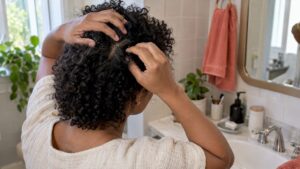
Knowing your hair’s vulnerability to sun damage starts with a strategic personal assessment. Evaluating your hair’s natural characteristics helps you understand its potential risk level from ultraviolet radiation. Your hair type, texture, color, and overall health play significant roles in determining how susceptible it might be to sun related stress.
To conduct a thorough UV risk assessment, examine several key factors. Dark hair naturally contains more melanin and offers some built-in protection against sun exposure. Conversely, fine or chemically treated hair tends to be significantly more vulnerable to ultraviolet radiation damage. Look closely at your hair’s current condition check for signs like dryness, brittleness, split ends or color fading which might indicate existing sun damage. Lighter hair colors like blonde or red are especially prone to faster UV deterioration due to lower melanin concentrations.
Careful observation of your hair’s response after sun exposure provides critical insights into its protective capabilities. Notice how your hair feels after spending time outdoors examine its texture and overall appearance. Increased roughness, increased porosity or unexpected color changes can signal that your hair requires additional protective strategies.
Pro Tip: Take a quick photo of your hair in natural sunlight before and after sun exposure to track potential damage progression over time.
Here’s a comparison of hair types and their typical UV vulnerability:
| Hair Type or Trait | Natural UV Protection | Vulnerability to Sun Damage |
|---|---|---|
| Dark, thick hair | Higher melanin content | Lower risk, less prone to fading |
| Light, fine hair | Low melanin content | High risk, quick to dry or fade |
| Chemically treated | Damaged cuticle layers | Very high risk, brittle and weak |
| Natural red hair | Minimal melanin, fragile | Highest risk, rapid color loss |
Step 2: Choose protective products with SPF
Selecting the right hair protection products is crucial for defending against ultraviolet radiation and preventing long term damage. You want to strategically choose hair care solutions that offer genuine sun protection and actively shield your hair from harmful rays.
Scientific research on hair photoprotection highlights the importance of using products specifically formulated with UV filters. Look for leave-in conditioners, styling sprays, and serums that explicitly mention SPF protection or UV defense. These specialized products contain ingredients that create a protective barrier against solar radiation while simultaneously nourishing your hair. When shopping, prioritize products with zinc oxide or titanium dioxide as key active ingredients, which provide broad spectrum protection against both UVA and UVB rays.
Consider your specific hair type and texture when selecting protective products. Fine or color treated hair requires more intensive protection compared to naturally thick or darker hair. Read product labels carefully and choose formulations designed for your specific hair characteristics. Some products offer additional benefits like moisture retention and color preservation alongside UV protection.
Pro Tip: Apply hair sunscreen 15 minutes before sun exposure and reapply every two hours for maximum protection.
Step 3: Apply hair masks and leave-in conditioners
Protecting your hair from sun damage requires strategic application of specialized hair care products that create a protective barrier against ultraviolet radiation. Mastering the technique of applying hair masks and leave-in conditioners will significantly enhance your hair’s defense mechanism against environmental stress.

Scientific research on hair protection demonstrates that carefully selected hair care products containing silicones and antioxidants can effectively shield your hair from solar damage. Start by selecting a high quality leave-in conditioner or hair mask specifically designed for sun protection. When applying, focus on distributing the product evenly from mid length to ends where hair is most vulnerable. Use gentle pressing and smoothing motions rather than aggressive rubbing to ensure complete coverage without causing unnecessary stress to your hair strands.
The application process varies depending on your hair type and texture. For fine hair, use lighter formulations and apply sparingly to avoid weighing down your locks. Thick or coarse hair can handle more intensive treatments and might benefit from more generous product application. Always start with clean damp hair to maximize product absorption and effectiveness. Pay extra attention to areas most exposed to sunlight like the crown and top layers of your hair.
Pro Tip: Apply hair masks and leave-in conditioners in a cool environment to prevent product breakdown and maintain its protective properties.
Step 4: Style with hats or scarves for extra shield
Adding physical barriers like hats and scarves provides an essential extra layer of protection against harmful ultraviolet radiation. Understanding how to strategically incorporate these accessories into your sun defense strategy can significantly reduce potential hair and scalp damage.
Research on protective clothing emphasizes the critical role of physical barriers in sun protection. When selecting a hat or scarf, prioritize wide brimmed options that provide comprehensive coverage for your hair and scalp. Look for tightly woven fabrics in darker colors which offer superior UV blocking capabilities. For those with thinning hair or sensitive scalps, consider specialized sun protective headwear designed with built in ultraviolet protection factor ratings.
The styling approach varies depending on your hair type and personal aesthetic. Lightweight silk scarves work beautifully for elegant updos and can be wrapped to shield delicate hair strands from direct sunlight. Structured sun hats with adjustable features allow for customized fit and maximum protection. Remember that your accessory is not just a fashion statement but a critical component of your hair health defense strategy.
Pro Tip: Choose hats with UPF ratings of 50+ for maximum sun protection and select breathable materials to prevent excess sweating.
See how different UV protection methods complement each other:
| Protection Method | Type of Barrier | Key Benefits |
|---|---|---|
| SPF Hair Products | Chemical/Physical | UV absorption and reflection |
| Leave-in Conditioners | Reinforcing | Moisture and resilience |
| Hats & UPF Headwear | Physical | Full scalp and hair coverage |
| Silk Scarves | Physical | Lightweight, flexible protection |

Step 5: Evaluate hair health and adjust routine
Maintaining healthy hair requires consistent monitoring and strategic adjustments to your hair care approach. Learning to assess your hair’s condition will help you proactively prevent sun damage and maintain optimal hair vitality.
Scientific research on hair damage mechanisms reveals that ultraviolet exposure causes significant changes in hair lipid composition. To effectively evaluate your hair health, start by conducting a weekly visual and tactile assessment. Check for signs of damage such as increased brittleness, unexpected color fading, split ends, or unusual texture changes. Pay special attention to areas most exposed to direct sunlight like the crown and top layers of your hair.
Your hair care routine should be dynamic and responsive to changing environmental conditions. Comprehensive summer hair care approaches suggest adapting your treatment strategy based on observed changes. For instance, if you notice increased dryness or porosity, consider incorporating more intensive hydrating treatments or switching to products with stronger UV protective properties. Track your hair’s response to different products and environmental stressors by maintaining a simple hair journal documenting texture, moisture levels, and overall appearance.
Pro Tip: Conduct your hair health assessment in natural light using a handheld mirror to get the most accurate view of your hair’s condition.
Elevate Your Sun Protection Routine with Expert Care at Joel C Ma Hair Studio
The challenge of shielding your hair from harmful UV rays is real, especially if you struggle with fine, color-treated, or chemically processed hair that is highly vulnerable to sun damage. This article highlights the importance of strategic UV protection through specialized SPF hair products, leave-in conditioners, and physical shields like hats and scarves. However, applying these at home only goes so far when it comes to maintaining luxurious, resilient hair under the intense California sun.
At Joel C Ma Hair Studio in La Jolla, we understand the complexities of protecting delicate hair from sun damage while keeping your style sharp and radiant. Our skilled hair artists leverage over 25 years of experience with personalized care and advanced color techniques that help strengthen your hair’s natural defenses. Whether you want a custom sun-safe treatment, expert application of nourishing masks, or a stylish consultation on protective looks, we tailor every session to your unique hair type and lifestyle. Discover how professional care can transform your approach to hair health and help prevent dryness, fading, and brittleness.
Take the next step in protecting your hair with confidence. Explore our full suite of premium hair care and styling services at Joel C Ma Hair Studio. Book a consultation or treatment today and ensure your hair stays vibrant and well-protected throughout the seasons.
Frequently Asked Questions
How can I assess my hair’s risk of UV damage?
To assess your hair’s risk of UV damage, evaluate its natural characteristics, such as type, texture, and color. For example, fine or chemically treated hair tends to be more vulnerable, so regularly check for signs of dryness or brittleness after sun exposure.
What should I look for in hair protection products?
Look for hair protection products that offer SPF and contain UV filters. Prioritize ingredients like zinc oxide or titanium dioxide to provide broad-spectrum protection from harmful rays, ensuring you apply these products 15 minutes before sun exposure for maximum effectiveness.
How should I apply hair masks or leave-in conditioners for sun protection?
Apply hair masks or leave-in conditioners evenly from the mid-length to the ends of your hair, focusing on areas most exposed to sunlight. Use gentle pressing motions instead of aggressive rubbing to distribute the product effectively and maximize its protective benefits.
What type of hats or scarves work best for protecting my hair?
Choose wide-brimmed hats and tightly woven scarves made from darker fabrics to enhance UV protection for your hair and scalp. For maximum effectiveness, opt for accessories with UPF ratings of 50+ to block out harmful rays while keeping your hair stylishly covered.
How can I evaluate my hair health after sun exposure?
Regularly conduct a weekly visual and tactile assessment of your hair, checking for signs of damage such as brittleness or unusual color fading. Based on your observations, adjust your hair care routine as needed, incorporating more hydrating treatments or stronger UV protection to maintain optimal hair health.
Recommended
- Complete Guide to Summer Hair Care Routine – Joel C Ma Hair Studio
- Complete Guide to Summer Hair Care Routine – Joel C Ma Hair Studio
- Complete Guide to Summer Hair Care Routines – Joel C Ma Hair Studio
- Protecting Hair From Heat: The Essential Guide – Joel C Ma Hair Studio
- Why do you need to wear SPF in winter? – The Aesthetics Room