
What Is a Keratin Treatment? Benefits and Process Explained
Many American salon-goers are surprised to learn that over 80 percent of professional hair treatments now offer formaldehyde-free keratin options. With so much buzz around perfect, frizz-free locks, it is easy to see why keratin treatments keep gaining popularity. Yet common myths still cloud what these treatments actually do and who can benefit from them. This guide clears up misconceptions and highlights what makes modern keratin services a unique solution for managing unruly hair.
Table of Contents
- Keratin Treatments Defined And Common Misconceptions
- Types Of Keratin Treatments And Key Differences
- How Keratin Treatments Work On Hair
- Benefits And Drawbacks For Different Hair Types
- Risks, Side Effects, And Safety Considerations
- Cost, Maintenance, And Aftercare Essentials
Key Takeaways
| Point | Details |
|---|---|
| Understanding Keratin Treatments | Keratin treatments enhance hair texture by reducing frizz and maintaining natural movement, rather than just straightening hair. |
| Types of Treatments | Various options like Traditional, Express, and Formaldehyde-Free are available, each tailored for different hair types and needs. |
| Health and Safety Considerations | Potential health risks are associated with certain chemicals, making it essential to choose safer alternatives and consult professionals. |
| Cost and Maintenance | Keratin treatments can be a significant investment, requiring specific aftercare to maximize their longevity and effectiveness. |
Keratin Treatments Defined and Common Misconceptions
A keratin treatment is a specialized salon procedure designed to transform hair texture and appearance by infusing keratin into hair strands. Unlike traditional hair straightening methods, these treatments focus on smoothing and reducing frizz while maintaining your hair’s natural movement and volume.
Many people misunderstand keratin treatments, believing they are solely about achieving pin-straight hair. In reality, modern keratin treatments aim to smooth and enhance hair’s natural texture, not completely eliminate its inherent wave or curl pattern. The primary goals include:
- Reducing unruly frizz
- Enhancing natural shine
- Improving overall hair manageability
- Creating a sleeker, more polished appearance
Contrary to popular belief, contemporary keratin treatments have evolved significantly. Many professional salons now offer formaldehyde-free options that prioritize hair health while delivering impressive results. These advanced treatments work by temporarily filling in poruous hair cuticles with protein, creating a protective layer that results in smoother, more resilient hair for up to six months.
Understanding the nuanced benefits of keratin treatments can help you make an informed decision about whether this hair care technique is right for your unique hair type and styling goals. Consulting with a professional stylist who understands your specific hair needs is always recommended to achieve the best possible outcome.
Types of Keratin Treatments and Key Differences
Keratin treatments have evolved significantly, offering diverse options tailored to different hair types and styling preferences. Traditional keratin treatments typically involve more intensive processing, with longer application times and more dramatic results compared to newer, more targeted approaches.
The primary types of keratin treatments include:
-
Traditional Full Keratin Treatment
- Lasting 3-6 months
- Application time: 2-4 hours
- Maximum frizz reduction and smoothing
-
Express Keratin Treatment
- Lasting 4-6 weeks
- Application time: 60-90 minutes
- Lighter formulation with gentler ingredients
-
Formaldehyde-Free Keratin Treatment
- Safer alternative for sensitive scalps
- Shorter duration but reduced chemical exposure
- Focuses on hair health and minimal damage
Professional treatments vary in formulation and penetration depth, with some designed for deep protein reconstruction and others offering surface-level smoothing. The key is selecting a treatment that matches your specific hair texture, damage level, and desired outcome.
Choosing the right keratin treatment requires understanding your hair’s unique characteristics and consulting with a professional stylist who can recommend the most suitable option. Each treatment type offers distinct benefits, making personalized consultation crucial for achieving optimal hair transformation.
How Keratin Treatments Work on Hair
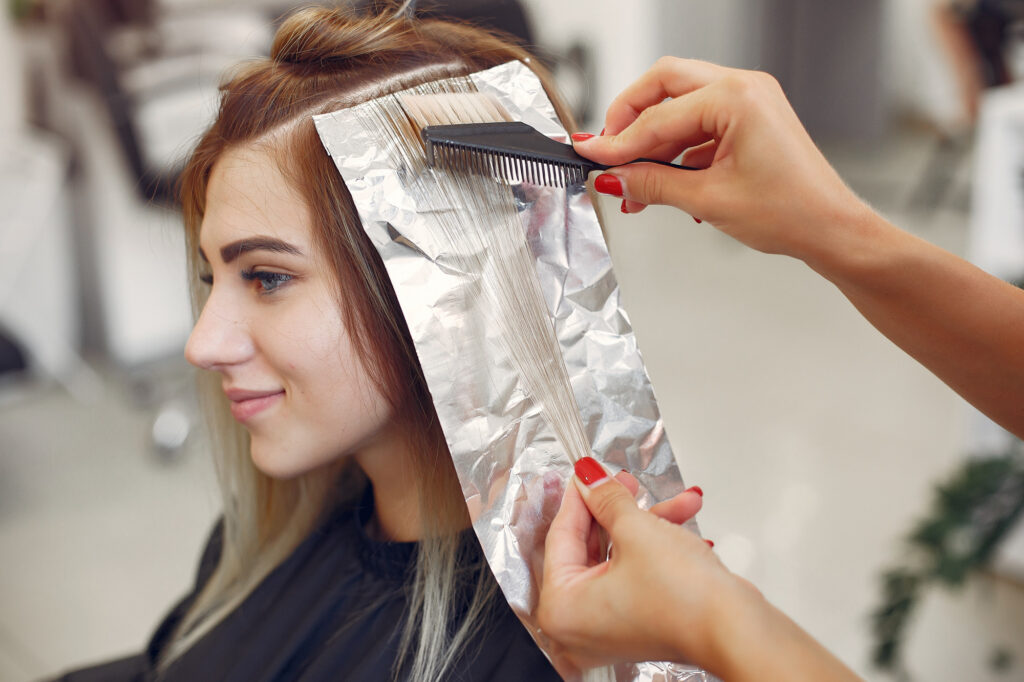
Hair keratin treatments are a sophisticated process that transforms hair texture through precise protein application. The treatment works by coating each hair strand with a specialized keratin solution, strategically filling in microscopic gaps and smoothing the hair’s external cuticle layer.
The technical process involves several critical steps:
-
Solution Application
- Keratin protein solution distributed evenly through hair strands
- Targets damaged and porous areas of hair
- Provides deep penetration and restoration
-
Heat Sealing
- High-temperature styling tools seal the keratin solution
- Locks protein into hair’s molecular structure
- Creates a protective barrier against environmental damage
-
Cuticle Smoothing
- Reduces overlapping and rough hair shaft edges
- Minimizes frizz and enhances natural shine
- Creates a uniform, sleek hair texture
The fundamental science behind keratin treatments revolves around temporarily restructuring hair’s protein composition. By introducing additional keratin molecules, the treatment creates a protective layer that smooths and strengthens hair without permanently altering its fundamental structure. This approach allows for enhanced manageability and aesthetic improvement while maintaining the hair’s natural integrity.
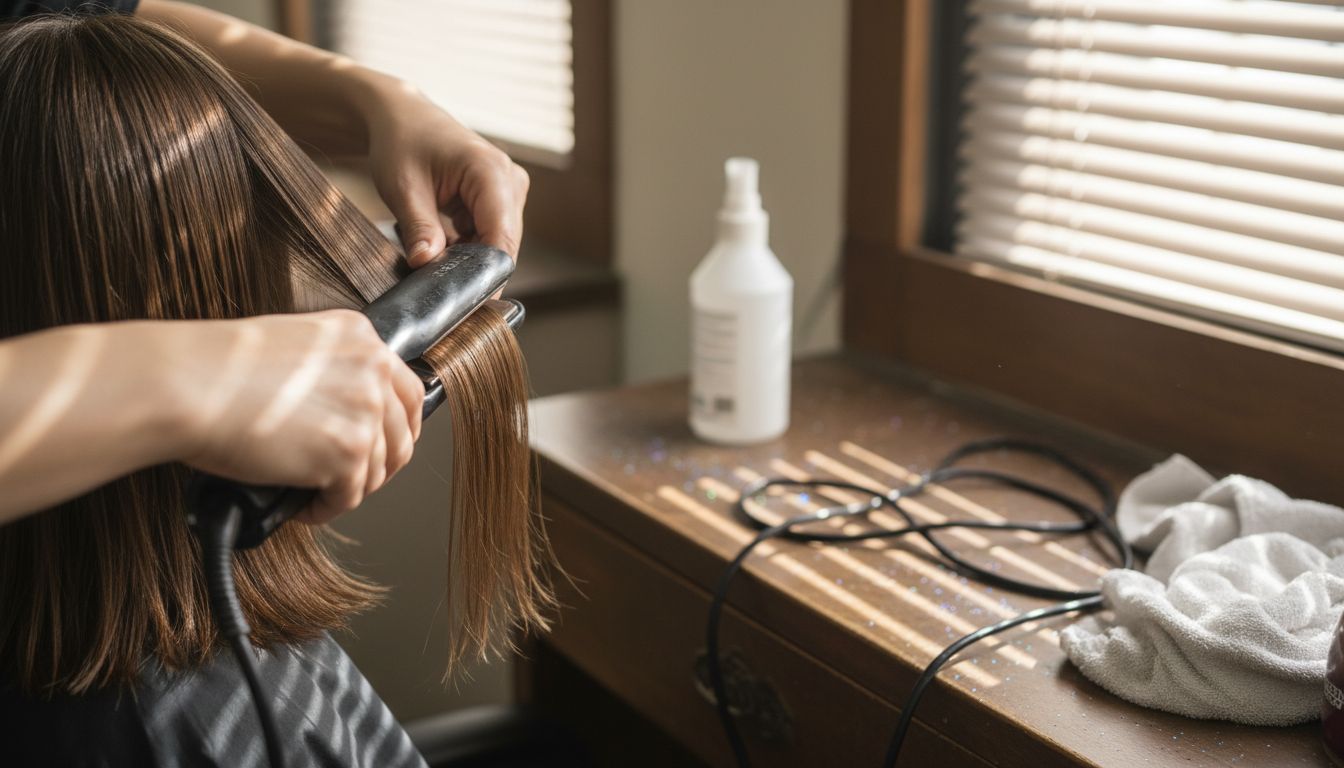
Understanding the intricate biochemical process helps appreciate why keratin treatments have become a popular solution for individuals seeking smoother, more manageable hair. The treatment’s ability to address multiple hair concerns simultaneously makes it an attractive option for those looking to transform their hair’s appearance and texture.
Benefits and Drawbacks for Different Hair Types
Keratin treatments offer diverse outcomes depending on individual hair characteristics. These treatments can dramatically transform hair by reducing frizz and adding intense shine, but understanding their impact across different hair types is crucial for optimal results.
Hair Type Compatibility Breakdown:
-
Curly and Textured Hair
- Potential Benefits:
- Significant frizz reduction
- Enhanced manageability
- Softer, more defined curl pattern
- Potential Drawbacks:
- Risk of losing natural curl definition
- Possible protein overload
- Potential Benefits:
-
Fine or Thin Hair
- Potential Benefits:
- Increased volume and smoothness
- Reduced styling time
- Potential Drawbacks:
- Risk of protein buildup
- Potential loss of natural hair texture
- Potential Benefits:
-
Thick and Coarse Hair
- Potential Benefits:
- Maximum frizz control
- Increased hair flexibility
- Smoother overall appearance
- Potential Drawbacks:
- Higher chemical exposure
- Longer treatment processing times
- Potential Benefits:
Potential health concerns exist, particularly with formulations containing formaldehyde, a known carcinogenic compound. Professional consultation becomes essential to navigate these risks and select the most appropriate treatment for your specific hair type and health considerations.
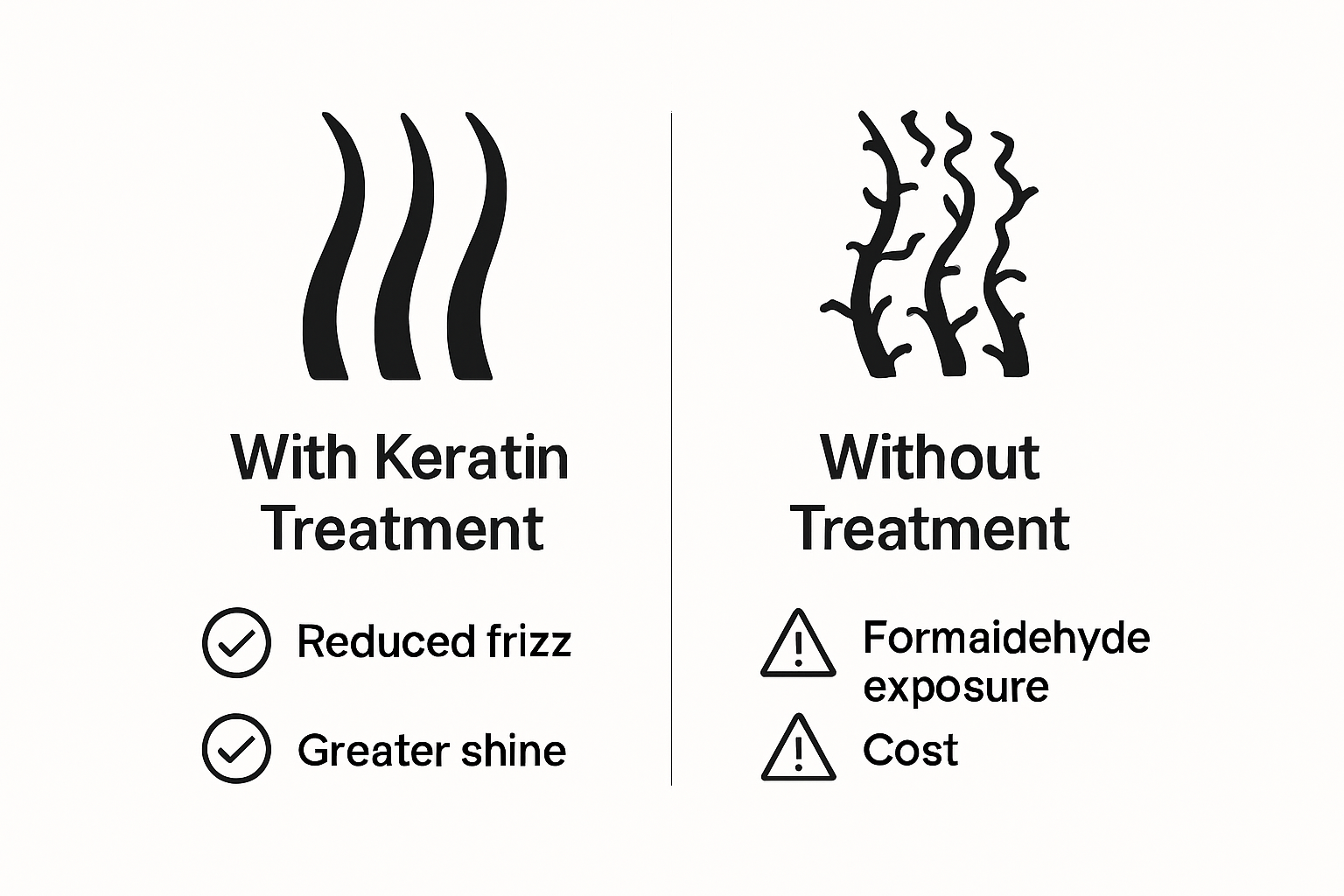
Ultimately, the effectiveness of keratin treatments depends on individual hair structure, desired outcomes, and professional application. A personalized approach that considers your unique hair characteristics ensures the most successful and satisfying hair transformation experience.
Risks, Side Effects, and Safety Considerations
Chemical hair treatments require careful consideration of potential health implications. Many keratin treatments contain formaldehyde or its chemical derivatives, which can trigger significant health risks, making informed decision-making crucial for personal safety.
Potential Health Risks Include:
-
Respiratory System Impact
- Potential breathing difficulties
- Risk of asthma attacks
- Throat and nasal passage irritation
-
Skin and Sensory Reactions
- Potential allergic responses
- Eye irritation
- Skin rashes or sensitivity
-
Long-Term Exposure Concerns
- Possible carcinogenic risks
- Potential neurological complications
- Increased sensitivity to chemical treatments
Exposure to formaldehyde in hair smoothing treatments can lead to acute health problems such as nosebleeds, burning sensations, and respiratory distress, underscoring the importance of selecting formaldehyde-free alternatives and ensuring proper salon ventilation.
To minimize potential risks, patients should prioritize professional consultations, request detailed ingredient breakdowns, and choose treatments from reputable salons that prioritize client safety and use advanced, low-chemical formulations. Understanding your individual health profile and potential sensitivities is key to a safe and successful keratin treatment experience.
Cost, Maintenance, and Aftercare Essentials
Keratin treatments represent a significant investment in hair care, with costs ranging from $150 to $600 depending on hair length, salon expertise, and treatment complexity. The longevity of these treatments directly correlates with meticulous aftercare and maintenance practices.
Cost Breakdown and Investment Considerations:
-
Initial Treatment Pricing
- Short hair: $150-$250
- Medium length: $250-$400
- Long or thick hair: $400-$600
- Professional salon pricing varies
-
Maintenance Expenses
- Specialized sulfate-free products
- Professional touch-up treatments
- Additional styling tools
-
Long-Term Value Factors
- Reduced daily styling time
- Decreased heat styling damage
- Enhanced hair manageability
Maximizing treatment duration requires strict adherence to specific aftercare instructions, including:
- Avoiding hair washing for the first 48-72 hours post-treatment
- Using exclusively sulfate-free hair products
- Limiting hair washing to 2-3 times per week
- Protecting hair from excessive moisture and humidity
Ultimately, successful keratin treatment maintenance demands a strategic approach. By investing in quality products, following professional recommendations, and understanding your hair’s unique needs, you can extend the life of your treatment and maximize your initial investment.
Experience the True Benefits of a Personalized Keratin Treatment at Joel C Ma Hair Studio
Struggling with frizz, dullness, or unmanageable hair is a common challenge many face when considering keratin treatments. This article highlights key factors such as the importance of formaldehyde-free options, understanding your unique hair type, and the need for professional application to ensure safe and stunning results. At Joel C Ma Hair Studio, our expert stylists specialize in crafting customized keratin treatments that respect your hair’s natural texture while delivering smoothness, shine, and long-lasting manageability.
Discover the difference a tailored keratin treatment can make in your hair transformation journey. Visit Joel C Ma Hair Studio today to schedule your personalized consultation. Let our team leverage over 25 years of experience to provide a luxurious, safe, and effective solution designed just for you. Don’t wait to enjoy sleek, vibrant hair that feels as good as it looks by choosing the best in the San Diego area. Learn more about our custom hair care services and take the first step toward your ideal hair!
Frequently Asked Questions
What is a keratin treatment?
A keratin treatment is a salon procedure that infuses keratin into hair strands to smooth texture, reduce frizz, and enhance shine while maintaining natural movement and volume.
How long does a keratin treatment last?
The longevity of a keratin treatment typically ranges from 3 to 6 months, depending on the specific type of treatment and individual hair care practices.
Are there different types of keratin treatments?
Yes, common types of keratin treatments include traditional full keratin treatments, express keratin treatments, and formaldehyde-free keratin treatments, each designed for various hair types and desired outcomes.
What are the main benefits of keratin treatments?
Keratin treatments can significantly reduce frizz, enhance shine, improve hair manageability, and create a sleeker appearance, making them ideal for individuals seeking smoother hair with less styling effort.
Recommended
- What Is Hair Gloss? Complete Guide to Benefits and Types – Joel C Ma Hair Studio
- Restore and Rejuvenate: Hair Treatments for Healthier Locks
- What is Hair Glossing? Understanding Its Benefits – Joel C Ma Hair Studio
- 7 Best Hair Treatments in La Jolla for Luxury Results – Joel C Ma Hair Studio
- Was ist professionelle Kosmetik? Kompletter Leitfaden